
Last updated November 15, 2026
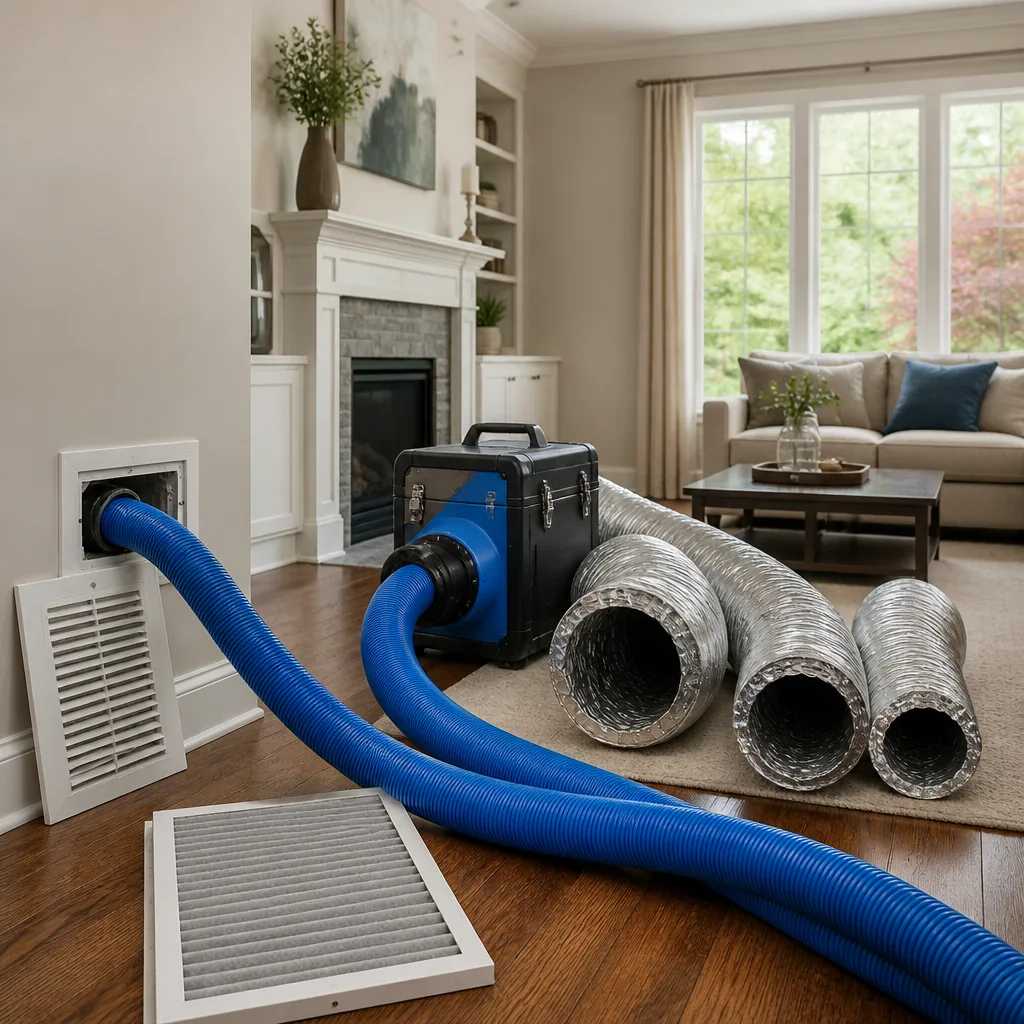 Whole-home duct cleaning
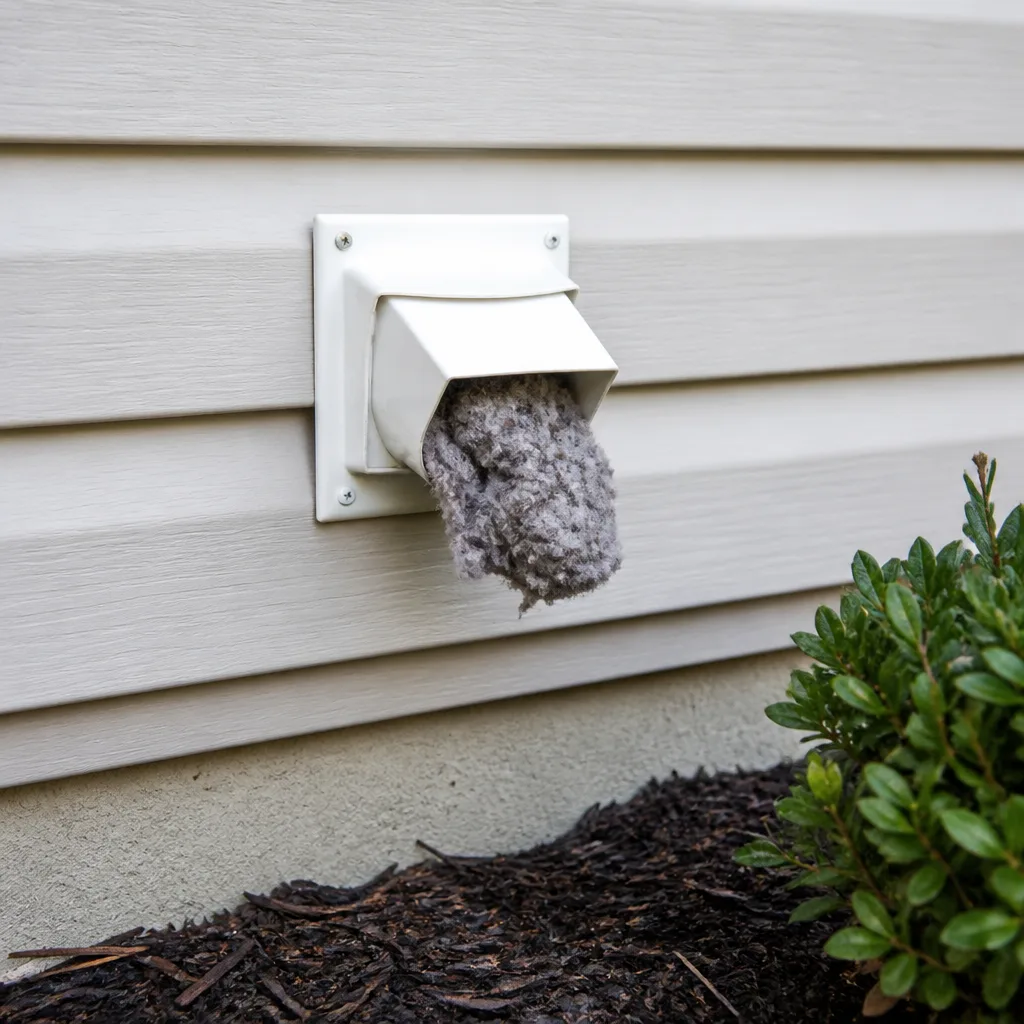 Dryer vent cleaning
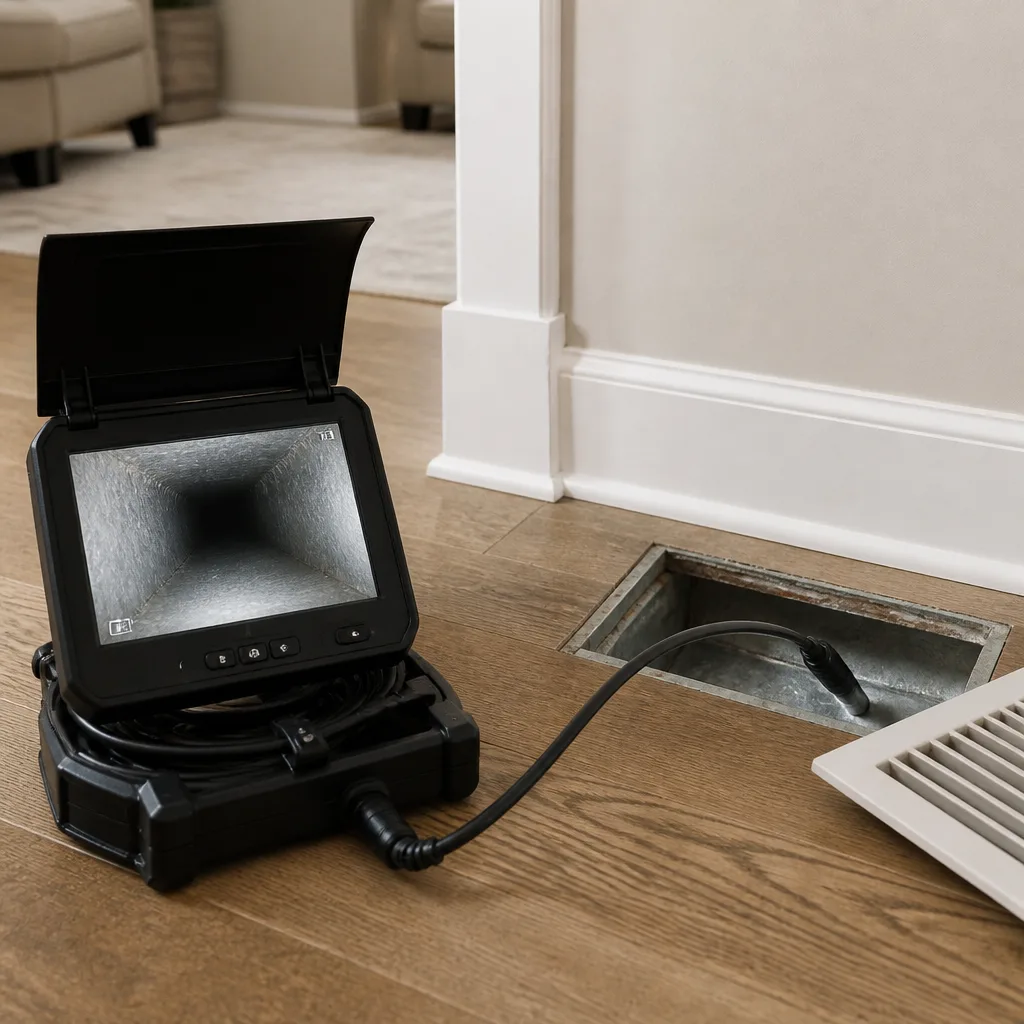 Camera inspection
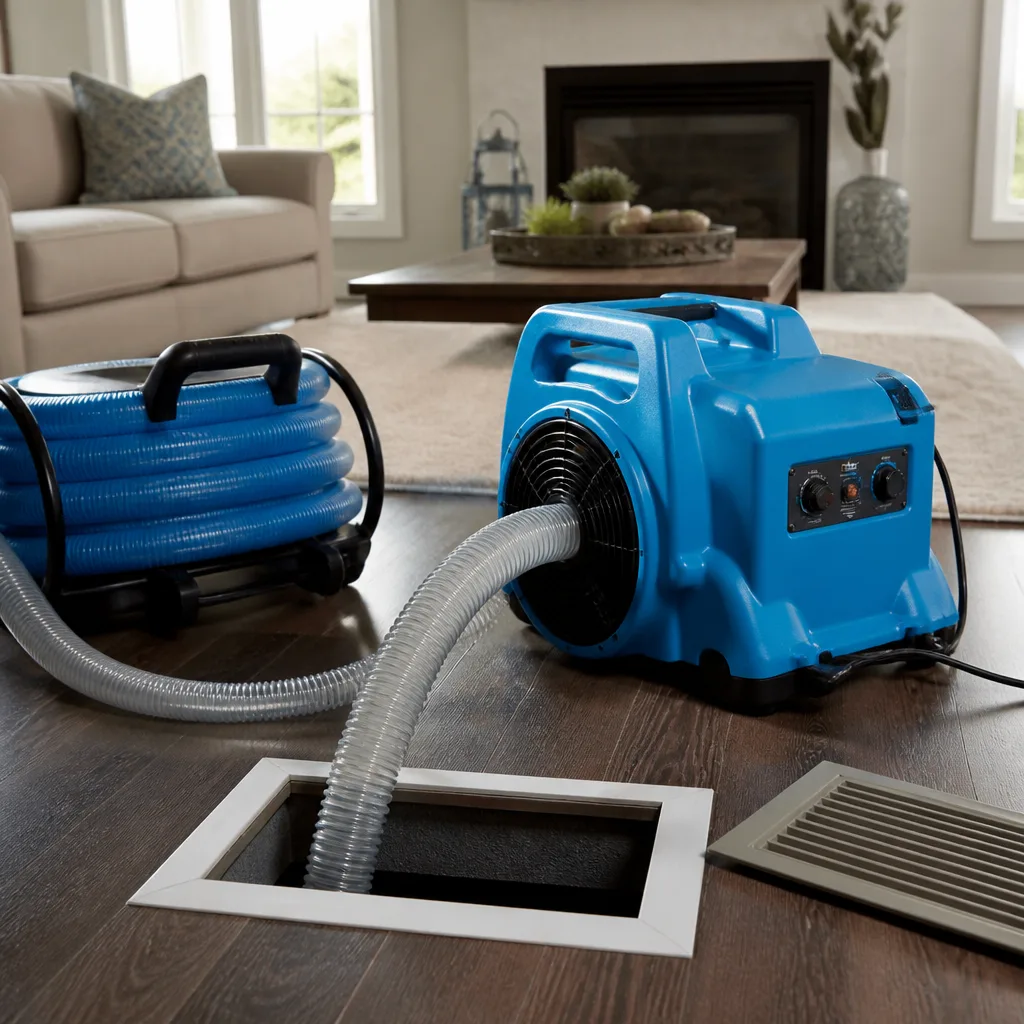 Sanitizing & deodorizing
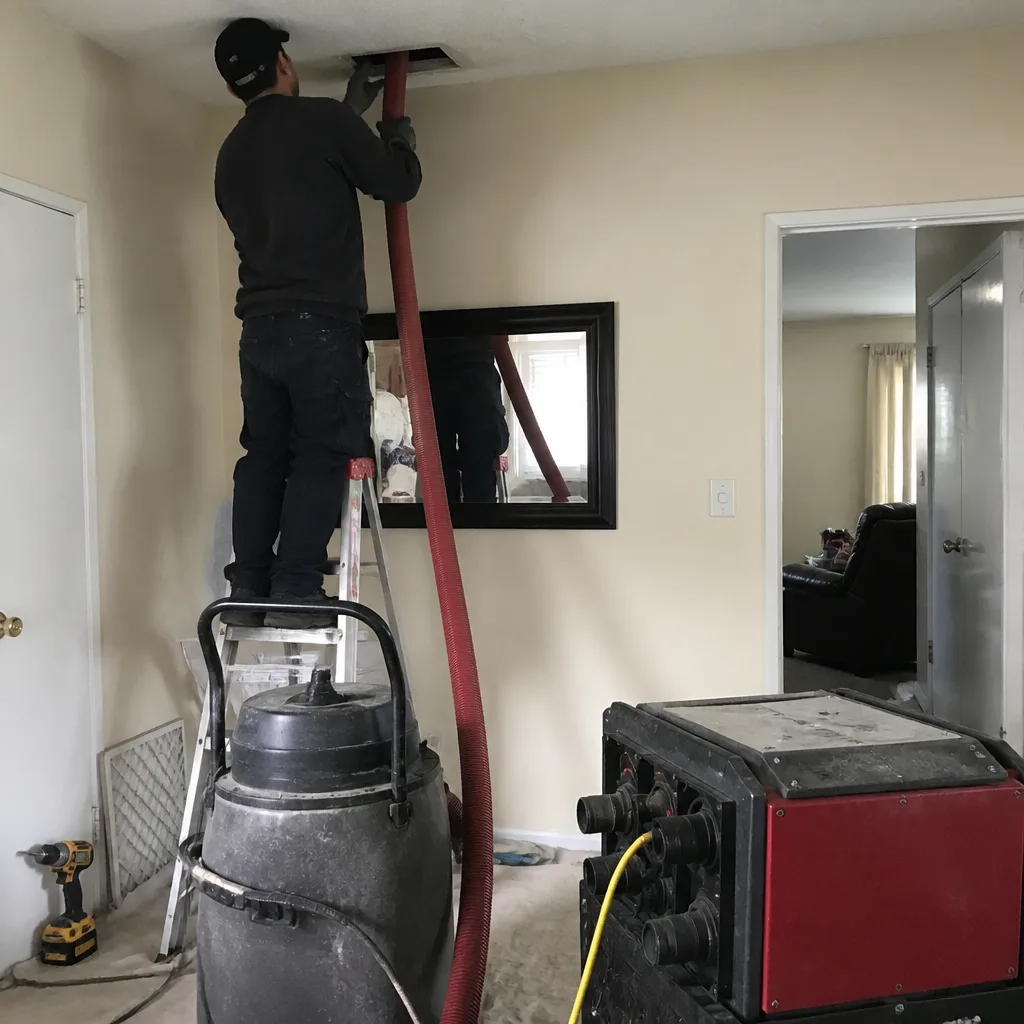
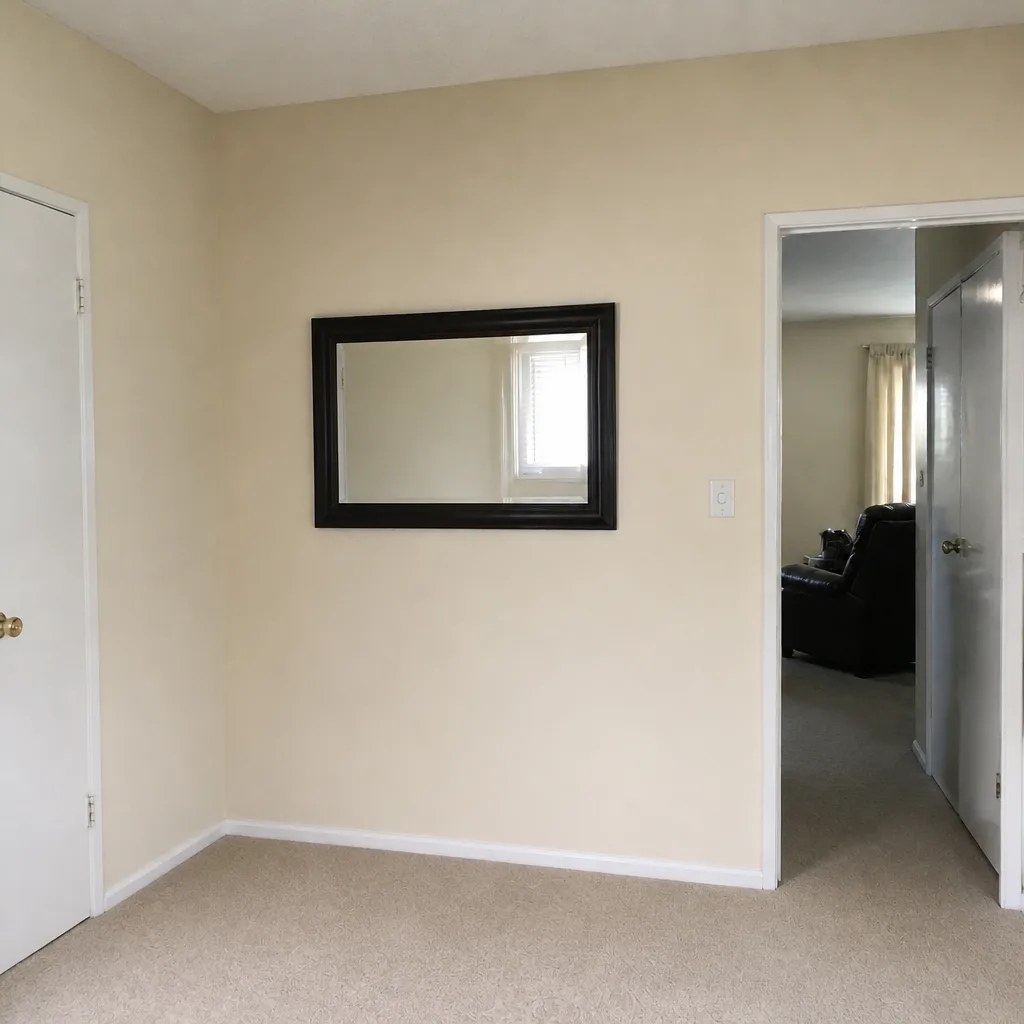
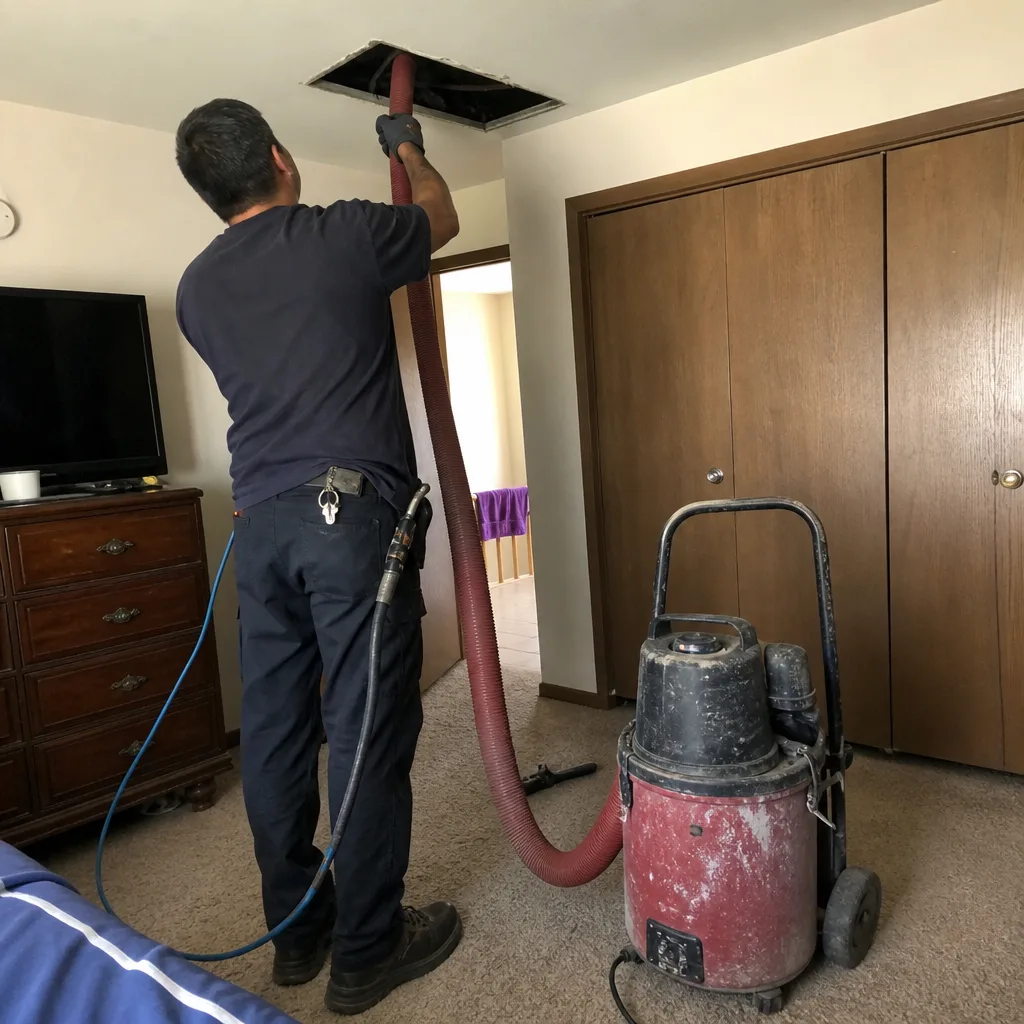
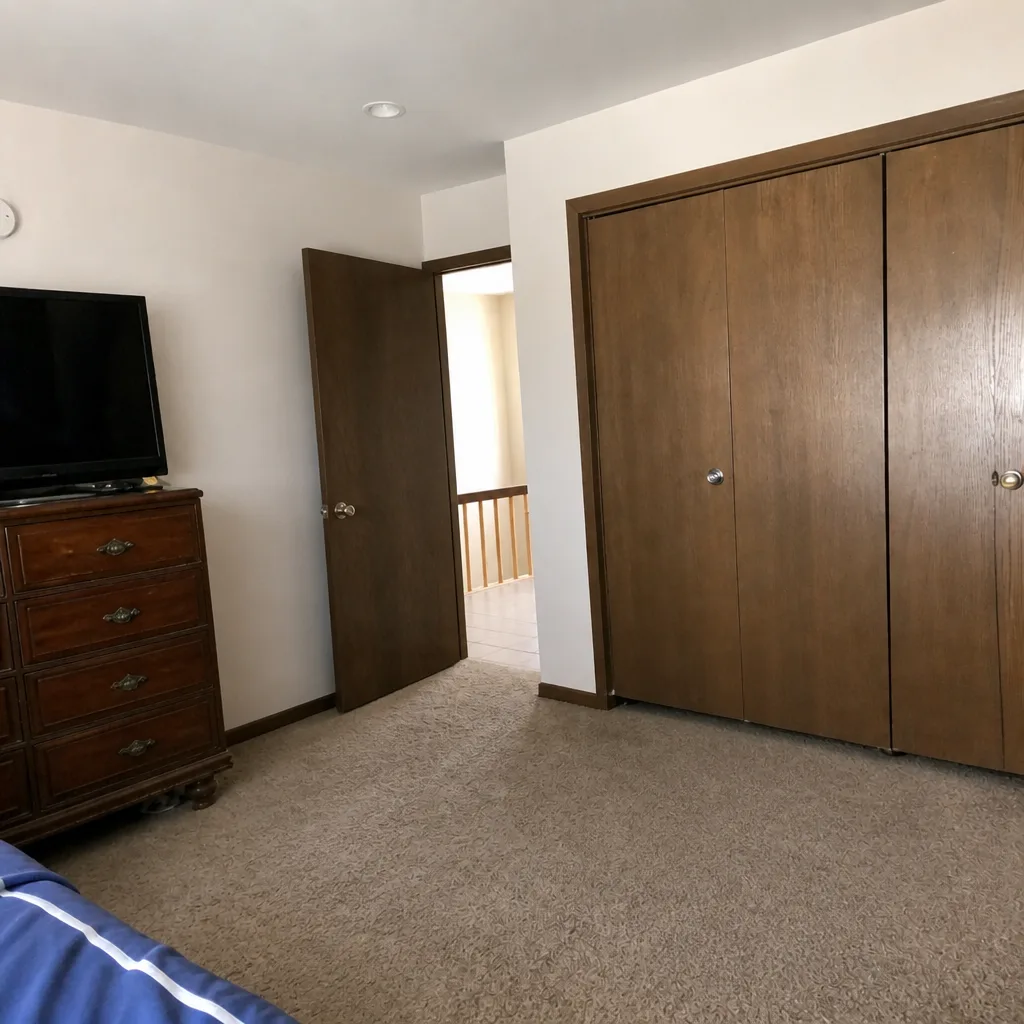
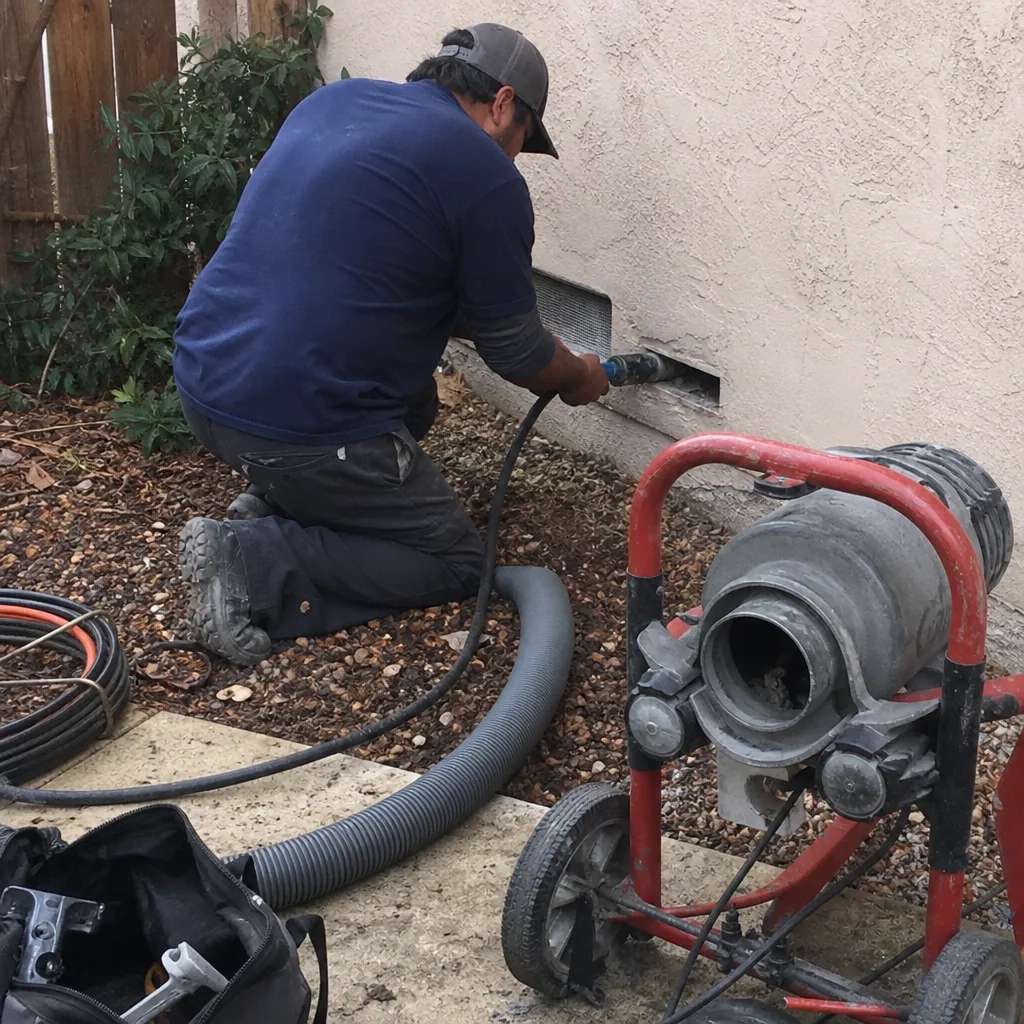
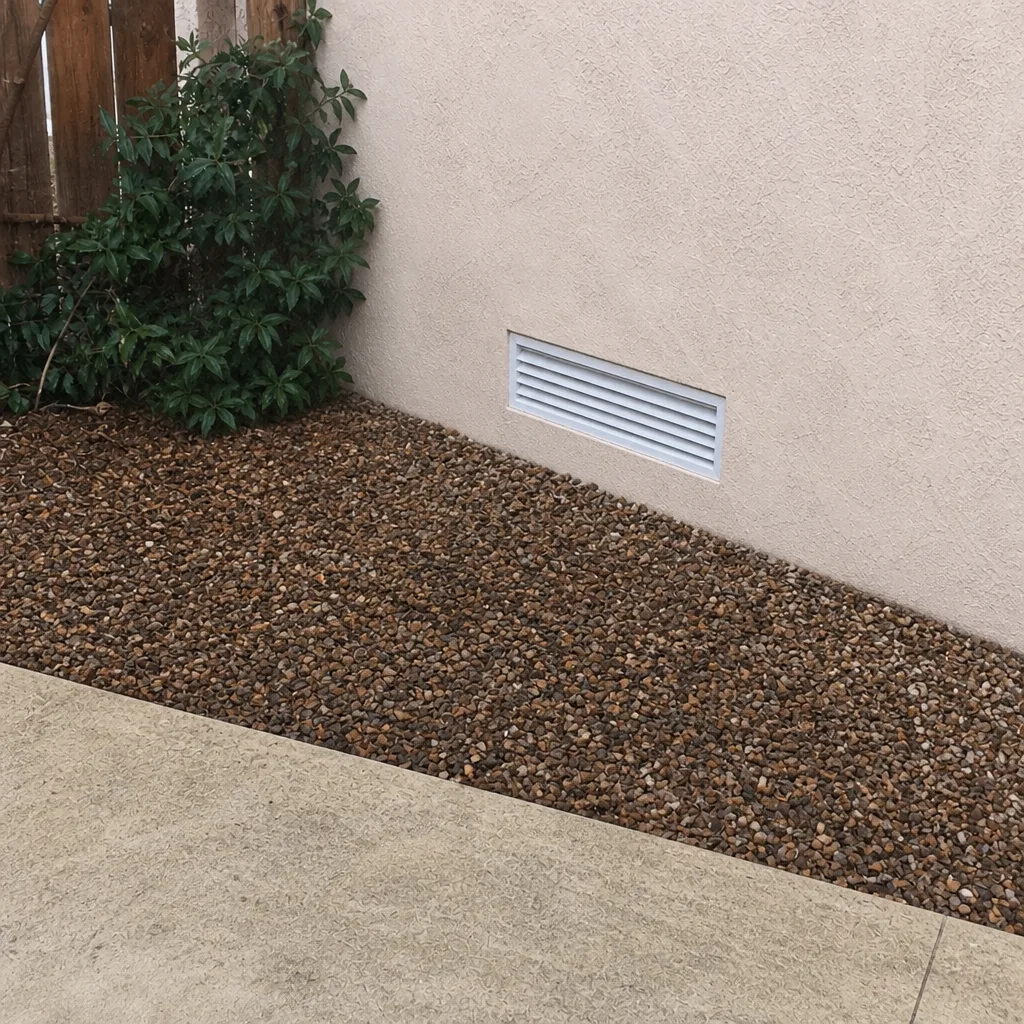
Whole-system duct and dryer vent check with before-and-after photos - you see exactly what came out of your vents
That "$99 whole-house special" is a bait ad - the real number appears once they are in your hallway, or the "clean" is a shop-vac at the register. We photograph the inside of your ducts before and after instead.
Seasonal Air Duct Cleaning Care for Antioch: Year-Round Homeowner’s Guide
Most homeowners treat duct cleaning as a once-a-decade chore, something to schedule when the vents look dusty or a coupon shows up in the mail. In Antioch, that thinking gets expensive. Our summers hit triple digits and run hard for roughly 90 days, the Delta wind funnels agricultural particulate straight through the Central Valley corridor, and fall brings wildfire smoke that finds every gap in a duct system. Each season loads your ducts with a different kind of contamination, and each one calls for a different response. This guide breaks down what’s actually entering your ductwork month by month in Antioch, how to time a professional cleaning around smoke events and pollen peaks, and a one-page task calendar you can tape to the garage wall.
Styles & brands we work with
- Whole-home duct cleaning
- Dryer vent cleaning
- Camera inspection
- Sanitizing & deodorizing
Quick Answer
Air ducts in Antioch should be professionally cleaned roughly every two to three years under normal conditions, but the schedule shifts with what the house has been through: clean after a major wildfire smoke event or a renovation, clean before summer cooling season if the system has run dirty for a while, and inspect annually if you’re in an older home with flex duct in a crawlspace. Timing matters more than frequency in this climate. A cleaning done before the cooling season starts keeps a heavy-load system from circulating a summer’s worth of agricultural dust, and a cleaning done after smoke season clears what settled during the worst air days of the year.
Table of Contents
- Why Antioch Ducts Face a Different Load Than the Rest of the Bay Area
- Summer: Triple-Digit Heat, High Cooling Load, and Agricultural Dust
- Fall: Wildfire Smoke and How to Time a Cleaning Around It
- Winter: Condensation, Crawlspace Moisture, and Flex Duct Problems
- Spring: Pollen Peaks and Pre-Season HVAC Prep
- The Antioch Seasonal Homeowner Task Calendar
- What Professional Equipment Actually Does to Antioch Ducts
- Common Mistakes to Avoid
- When to Call a Professional
- Frequently Asked Questions
- The Bottom Line
Why Antioch Ducts Face a Different Load Than the Rest of the Bay Area
Antioch sits at the eastern edge of the Bay Area where the climate stops acting coastal and starts acting like the interior. Summer temperatures routinely cross into triple digits while San Francisco sits in the 60s, and the Delta wind pattern pulls air east to west off the water and through the Central Valley agriculture corridor before it reaches us. That means July and August air in Antioch carries a measurably higher dust and pollen load than the same day in Oakland or the city. Your HVAC system pulls that air in, filters what it can, and pushes the rest through the ductwork.
Three things make the local situation distinctive:
- Cooling load, not heating load. In most of the country the furnace is the workhorse. Here the air conditioner runs hard for roughly 90 days, which means the return ducts and the air handler pull in the bulk of the season’s contamination during the cooling months, not the heating months.
- Wildfire smoke exposure. Fall smoke events push fine particulate into every gap in the building envelope. Sealed ducts resist this; leaky ducts don’t. Older homes around Antioch’s downtown and the neighborhoods along the river corridor often have both.
- Crawlspace construction. A good portion of Antioch’s housing stock runs flex duct through the crawlspace or attic. That’s where winter condensation becomes a real problem, and where improperly insulated runs become a mold risk that never announces itself.
None of this means every Antioch home needs a cleaning every year. It means the schedule should follow the local climate calendar rather than a generic “every three to five years” rule written for a temperate market. If you’re new to the area and want the foundation explanation of what duct cleaning actually is, our air duct cleaning page covers the basics and the process. The rest of this guide is about timing it to the seasons.
Summer: Triple-Digit Heat, High Cooling Load, and Agricultural Dust
Summer is when Antioch’s duct system works hardest and gets dirtiest fastest. When the outdoor temperature climbs past 100°F and stays there, the air conditioner runs nearly continuously, which means it’s pulling outdoor air and recirculated indoor air through the return ducts and the filter nonstop for three months. That sustained runtime is what loads the return side of the system. By August, a return plenum that started the season clean can be carrying a visible layer of fine dust, and the supply runs downstream are blowing it into every room.
The agricultural dust piece is the local twist. The Delta wind that keeps Antioch cooler than the Central Valley interior on the hottest days also carries particulate from farmland to the east. That dust is finer than typical household dust and settles in the low-velocity sections of ductwork: the long return runs, the corners of the plenum, the interior of flex duct where airflow drops.
What to watch for as summer progresses:
- Visible dust streaking at supply registers, especially on the return grilles
- Increased dust settling on horizontal surfaces within days of cleaning them
- Musty or “dirty sock” smell when the AC first kicks on
- Higher energy bills without an obvious cause (a dust-loaded coil and restricted ducts make the system work harder)
- Allergy symptoms that worsen through July and August rather than easing
The best timing for a pre-summer cleaning is late spring, before the first sustained heat wave pushes the system into continuous runtime. If you missed that window and the system has been running hard since June, a cleaning in late September still helps because it removes the summer’s accumulation before the heating season starts recirculating it. For homeowners with allergy concerns, this is the season where the difference between a clean system and a loaded one shows up in how the house feels day to day.
Fall: Wildfire Smoke and How to Time a Cleaning Around It
Fall is the season when timing a cleaning actually matters most in Antioch, and it’s the season most homeowners get wrong. Wildfire smoke events push fine particulate into the outdoor air, and any leak in the duct system becomes an entry point. But here’s the counterintuitive part: the right time to clean is usually before a smoke event, not after. A sealed, clean duct system with a fresh filter resists smoke intrusion far better than a dirty, leaky one. Waiting until after the smoke clears means you’ve been breathing the intrusion all season.
That said, if a smoke event catches you with a dirty system, a post-event cleaning is still worth doing. Fine ash and smoke residue settle in the ductwork and continue to be recirculated every time the system runs. The cleaning removes it; leaving it means the house keeps tasting the fire for weeks.
- Late August / early September: Schedule a pre-fall cleaning. This is the ideal window. You’re clearing the summer’s dust load before smoke season, and you’re entering the fall with a clean, sealed system.
- During a smoke event: Don’t run the system on “fan only” – that recirculates indoor air through the ducts continuously. Run the AC or heat normally, keep windows closed, and change the filter more often (once a month during a sustained event is not unreasonable).
- Immediately after a smoke event: Change the filter first. If the house still smells smoky or you see visible ash in the registers, schedule a cleaning. If the system was clean before the event and you’re not seeing symptoms, a filter change and a visual check may be enough.
- Mid-fall: This is also the window to address any duct leaks found during the cleaning, since a sealed system is what protects you during the next event.
One thing worth knowing: dryer vent cleaning is also a fall task in many Antioch homes, because the same dry, windy conditions that drive smoke also dry out lint and make a clogged dryer vent a bigger fire risk. If your dryer is taking longer than it used to, or the outside vent flap doesn’t open fully, that’s a separate fire-safety issue worth addressing before winter.
Winter: Condensation, Crawlspace Moisture, and Flex Duct Problems
Winter in Antioch is mild, and that’s exactly what makes it a sneaky season for duct problems. The days are cool enough to run the heat but not cold enough to freeze, and the nights are damp. Warm air inside a duct running through a cool crawlspace or attic hits the duct wall, and if that wall isn’t properly insulated, moisture condenses on the inside surface. Damp duct interior plus dust equals a mold growth medium. That’s the winter problem in Antioch, and it’s the one most homeowners never see until it’s a larger repair.
The usual setup: flex duct running through a crawlspace, insulated on the outside but compressed or kinked at a bend, or with a section of the outer jacket torn. The insulation value drops, the duct wall stays cool, and condensation forms. Over a winter that shows up as a musty smell at the registers, damp spots at the boot connections, or visible dark staining inside the duct at a supply register.
What to check heading into winter:
- Any flex duct visible in a crawlspace – look for kinks, compressed sections, or torn outer jackets
- Condensation or dampness at duct boots where the duct connects to a register
- Musty odor when the heat first comes on in the morning
- Visible dark patches inside the supply registers
- Any duct run that sags or hangs loose from its supports
If you find damaged or wet insulation on a duct run, that’s a repair job, not a cleaning job. We repair what we find, which is one reason we offer Duct Cleaning Antioch as a full-service operation rather than a clean-and-leave visit. A duct system with a torn flex run in the crawlspace doesn’t stay clean for long – the same gap that lets condensation in lets dust and crawlspace air in too.
Winter is also a good time to look at your filter. A house that ran all summer and fall on one filter is probably running on a clogged one. Change it before the heating season starts and check it monthly through the cooler months.
Spring: Pollen Peaks and Pre-Season HVAC Prep
Spring in Antioch brings the pollen peak, and it arrives fast. The Central Valley agriculture corridor to the east, the local tree and grass pollen, and the Delta wind combine to push fine pollen into every gap in the building envelope. A duct system that ran through winter with a decent filter has a small amount of pollen intrusion; a duct system with leaks has a lot. This is the season to prep the system for the cooling load it’s about to carry.
Pre-summer HVAC prep is worth doing methodically:
- Change the filter. Do this before the first sustained heat wave, not after. A clean filter on a high-runtime system is the single most cost-effective thing you can do.
- Walk the registers. Check every supply and return register in the house. Visible dust or debris at the register face is a sign the duct behind it is carrying contamination.
- Look at the air handler. If you can safely see the evaporator coil, a dust-loaded coil tells you the system has been pulling dirty air for a while. Don’t try to clean the coil yourself – schedule a service visit.
- Check the condensate line. A clogged condensate drain on the air handler is one of the most common causes of a summer AC failure. Clear it or have it cleared before the season starts.
- Schedule a professional cleaning if it’s due. If you’re on a two-to-three-year cycle, spring is the best window before the cooling season.
Spring is also the season to think about air quality upgrades. We work with Honeywell and Aprilaire product lines, which means a whole-house filtration or humidity control upgrade can be specified as part of the cleaning visit rather than as an afterthought. A better filter and a properly sealed duct system make a bigger difference in this climate than most homeowners realize, and the upgrade pays off through both the pollen season and the smoke season that follows. If you’re in an older home around Antioch and the duct system has never been upgraded, spring is the season to look at what’s actually there.
The Antioch Seasonal Homeowner Task Calendar
Here’s the one-page calendar tied to Antioch’s actual climate rather than generic national advice. Print it, tape it inside a kitchen cabinet, and check it quarterly.
January – February (mid-winter)
- Check the filter monthly
- Look for condensation or dampness at duct boots and in the crawlspace
- Smell test: musty odor on start-up means mold risk, not just dust
March – April (spring prep)
- Change the filter before the first heat wave
- Walk every register for visible dust or debris
- Clear or schedule the condensate line check
- Schedule a professional cleaning if you’re due on the cycle
- Consider a filtration upgrade before pollen season peaks
May – June (pre-summer)
- Final filter change before the cooling season
- Visual check of the air handler and coil area
- Confirm the cleaning is done if you scheduled one – don’t slip into July without it
July – August (peak summer)
- Check the filter every 3-4 weeks during sustained heat; more often if you have pets
- Watch for dust streaking at registers and dust settling faster than usual
- Note any new musty smell – could be condensation, could be a seasonal load
September – October (pre-fall and smoke season)
- Pre-fall cleaning window (ideal time)
- Stock up on filters before smoke season
- Change the filter before any forecast smoke event
- Address any duct leaks found during cleaning or inspection
- Dryer vent check before winter
November – December (early winter)
- Change the filter at the start of the heating season
- Crawlspace walkthrough: look for damaged or wet flex duct insulation
- Schedule repair if you find torn jackets, kinks, or wet insulation
What Professional Equipment Actually Does to Antioch Ducts
Most homeowner anxiety about duct cleaning comes down to one question: is the crew going to do anything more than wave a shop vac at the register? The honest answer depends on the equipment. A single-pass vacuum job pulls surface dust and leaves the rest; a layered process with professional-grade tools agitates, extracts, and contains. Our process runs from the brush to the HEPA filter to the air handler, which is the standard in commercial and remediation-level work rather than a consumer-grade cleaning.
What the equipment actually does:
- Rotobrush agitates the duct interior with rotating brushes on a flexible shaft, which is what actually knocks loose the bonded dust that simple vacuuming leaves behind. This matters on Antioch’s fine agricultural dust, which clings.
- Nikro HEPA extraction pulls the loosened debris into a HEPA-filtered collection system, so the dust comes out of the duct and stays out of your house.
- Abatement Technologies negative-air filtration keeps the work area under negative pressure during the job, which means any fine particulate that gets airborne during cleaning is filtered rather than distributed back into the living space. In a wildfire-smoke season this matters more than in a generic cleaning.
- Guardsman provides the source-capture and containment tools that complete the system, so the process is genuinely sealed rather than aspirational.
The whole point of the layered approach is that it handles the specific contamination profile of this area: fine agricultural dust in summer, smoke particulate in fall, condensation-related organic growth in winter, and pollen in spring. A single-pass vacuum job handles none of these well. Our technicians have up to 8 years of experience working with this equipment, and we offer a free written estimate before any work begins so you know what the job actually involves.
Common Mistakes to Avoid
- Cleaning after smoke season instead of before. The instinct is to clean up after a smoke event, but the better strategy is to clean before, so a sealed system resists the intrusion in the first place. If you have to pick one, pre-event wins.
- Running the fan continuously during a smoke event. “Fan only” mode recirculates indoor air through the ducts nonstop. Run the system normally, keep windows closed, and change the filter more often during sustained smoke.
- Ignoring a musty smell until spring. A musty odor on start-up during winter is usually condensation or early mold growth inside a duct. Waiting until it’s a visible problem turns a cleaning into a repair.
- Patching a torn flex duct with tape and calling it fixed. Tape on a flex duct in a crawlspace fails within a season. If the insulation is torn, the run needs to be repaired properly or it will keep pulling crawlspace air into the house.
- Trusting a coupon price over a written estimate. A low headline price that becomes a much larger invoice once the technician is on site is the industry’s most common bait-and-switch. Ask for a written, flat price per system before work starts.
- Skipping the pre-summer filter change. Antioch’s cooling season runs the system hard for roughly 90 days. A clogged filter heading into July loads the coil and the ducts in a way that a fresh filter would have prevented.
- Scheduling dryer vent cleaning as an afterthought. A clogged dryer vent is a fire hazard, not a maintenance nicety. Treat it as a separate annual task, especially if your dryer runs longer than it used to.
When to Call a Professional
Call a professional if you see visible dust streaking at multiple registers, a musty smell on system start-up that doesn’t clear after a filter change, condensation or dampness at duct boots, or any visible damage to flex duct in the crawlspace or attic. Call after a renovation that produced significant drywall dust, after a major wildfire smoke event that left the house smelling smoky, or if it’s simply been more than three years since the last professional cleaning in a home with pets, allergy concerns, or an older HVAC system. And call if the dryer is taking noticeably longer to dry a load, or the outside vent flap isn’t opening fully; those are dryer vent warning signs, not just appliance quirks.
Duct Cleaning Antioch offers free estimates in Antioch – call (877) 212-3243. We answer 24/7. Fast dispatch from 7am to 7pm, Sunday through Friday.
Frequently Asked Questions
Most residential duct cleanings in Antioch fall within a range that depends on the size of the home, the number of systems, and the condition of the ductwork, but every job gets a flat price per system set by a written estimate before work starts. We don’t quote per-vent prices, and we don’t offer teaser coupon figures that become a different number once a technician is on site. Call (877) 212-3243 for an exact quote – estimates are free.
Every two to three years under normal conditions, with adjustments for local events: clean after a major wildfire smoke event, clean before summer if the system has been running dirty, and inspect annually in older homes with flex duct in a crawlspace. The two-to-three-year cycle is a baseline, not a rule. Antioch’s summer cooling load and fall smoke season can push the schedule shorter.
Before, if you can time it. A clean, sealed duct system with a fresh filter resists smoke intrusion far better than a dirty one. If a smoke event catches you mid-cycle, a cleaning after the event still helps by removing the fine ash and smoke residue that would otherwise recirculate for weeks. Either way, change the filter first. Call (877) 212-3243 if you’re not sure which side of an event you’re on.
Because some quotes are for a single-pass vacuum job, not a full cleaning. A shop-vac style visit pulls surface dust and skips the agitation, extraction, and containment that actually clean a system. If the quote is dramatically lower than the others, ask exactly what equipment is used and whether the price is flat per system or changes once the technician is on site. Our free estimates are written and flat per system, and we use Rotobrush and Nikro equipment on every job.
Ask for before-and-after photos of your own ducts. Any provider using professional equipment can document the interior of your ductwork before and after the job, and the photos should show the actual ducts in your home, not a stock image. We provide before-and-after photos on every cleaning and offer a satisfaction guarantee. Call (877) 212-3243 to schedule a free estimate.
It can, because the seasonal load here is significant: agricultural dust in summer, pollen in spring, and smoke particulate in fall. A clean, sealed system moves filtered air instead of recirculating contamination. It’s not a cure for allergies, but for homeowners with allergy concerns, cleaning before the peak season makes a bigger difference than cleaning after symptoms have already started. Call (877) 212-3243 for a free estimate.
The Bottom Line
Antioch’s duct systems face a different load than the rest of the Bay Area, and the cleaning schedule should follow the local climate calendar rather than generic advice. Clean before summer to clear agricultural dust and prep the system for the cooling season. Clean or at least change the filter before fall wildfire smoke season, and clean after a major smoke event if you were caught mid-cycle. Watch for condensation and torn flex duct in winter, and use spring to prep the system and address filtration upgrades before the heat arrives. Professional-grade equipment matters here – Rotobrush agitation, Nikro HEPA extraction, and Abatement Technologies negative-air containment do the work that a shop vac can’t. If you’re unsure where your home sits on the cycle, start with a free estimate.
Call Duct Cleaning Antioch at (877) 212-3243 for a free estimate. We answer 24/7. Fast dispatch from 7am to 7pm, Sunday through Friday. We offer air duct cleaning, dryer vent cleaning, and air duct repair, and we’ll show you before-and-after photos of your own ducts so you know the work was actually done.
Written by the team at Duct Cleaning Antioch.
See the difference
 Before
 After
 Before
 After
 Before
 After