
Last updated November 15, 2026
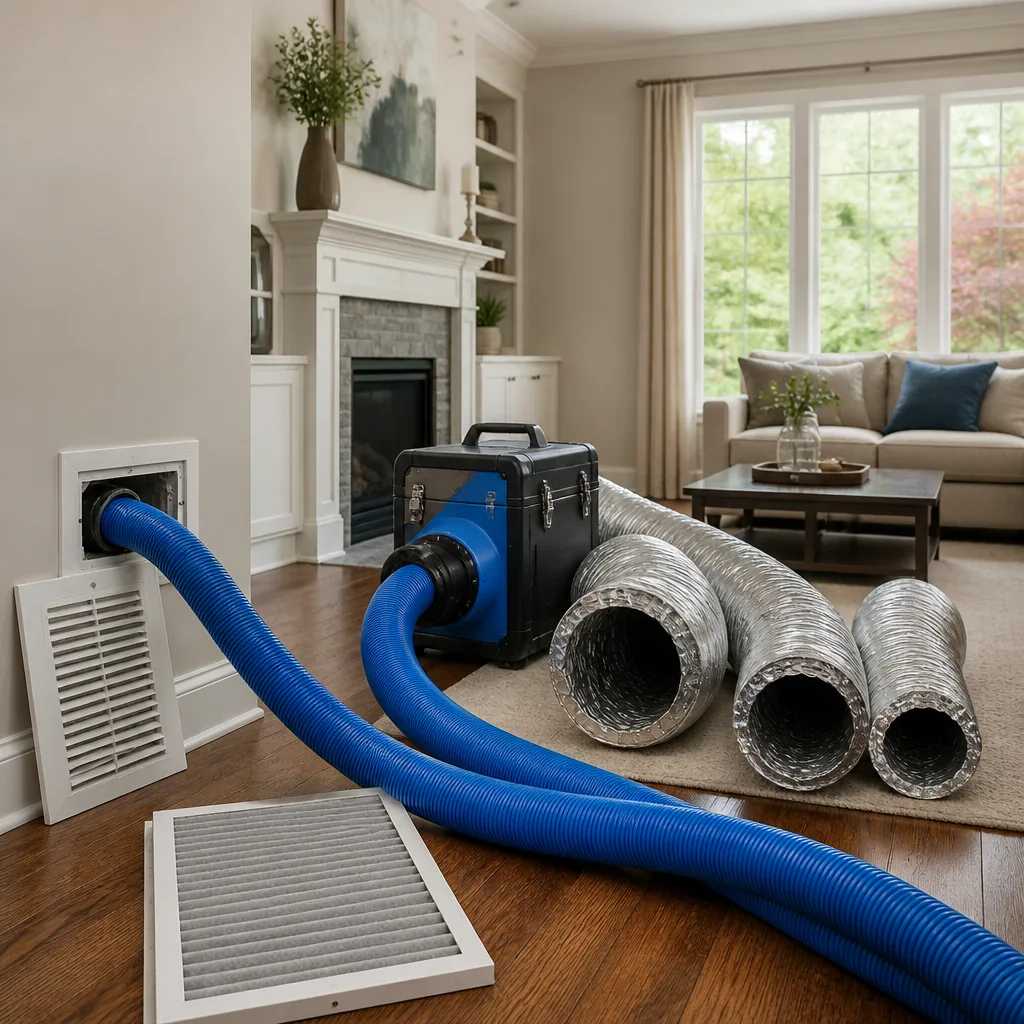 Whole-home duct cleaning
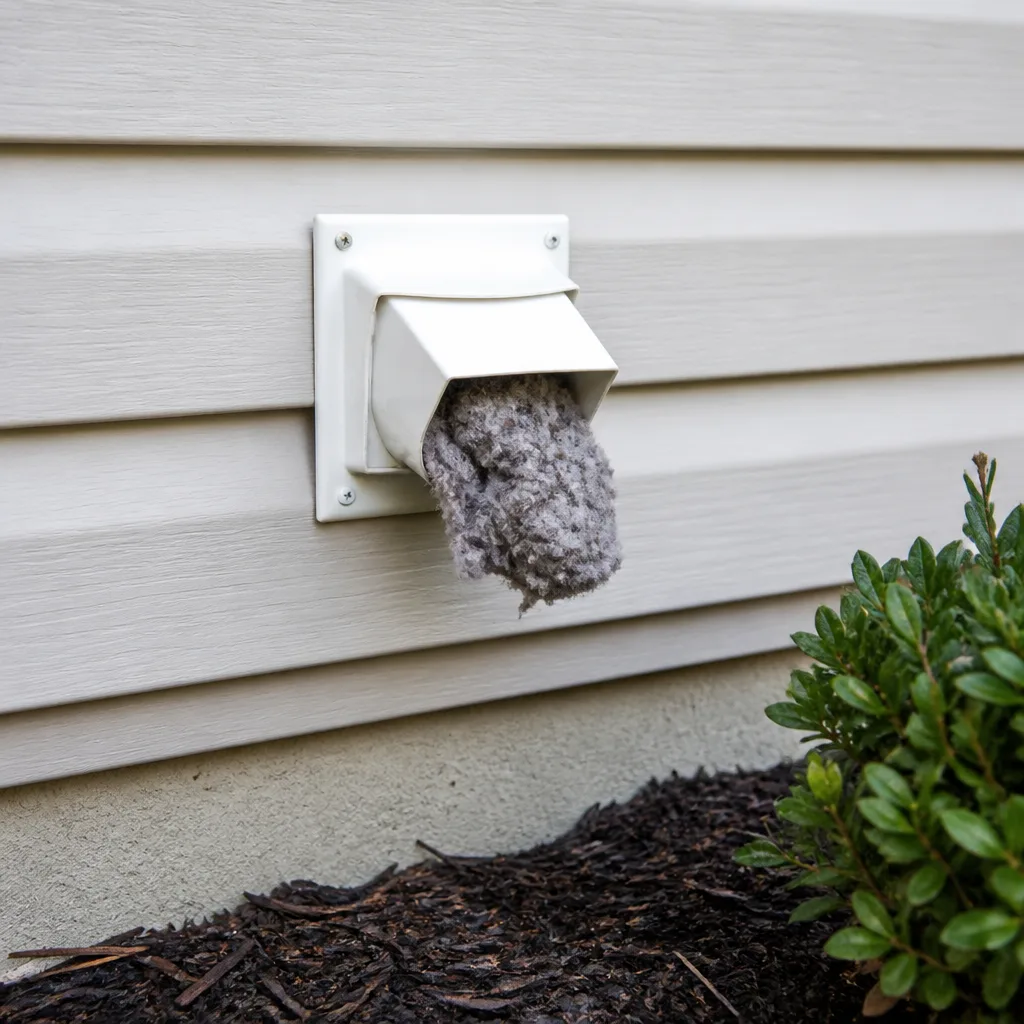 Dryer vent cleaning
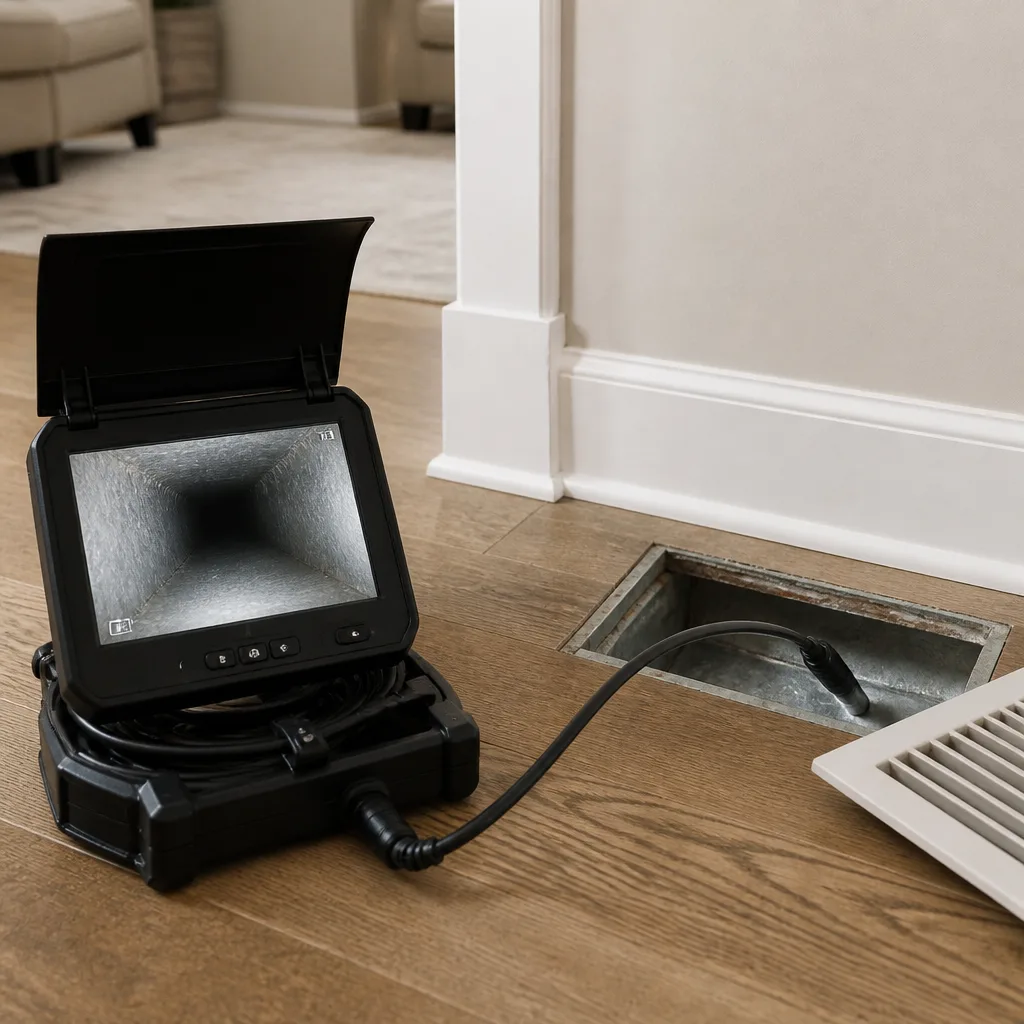 Camera inspection
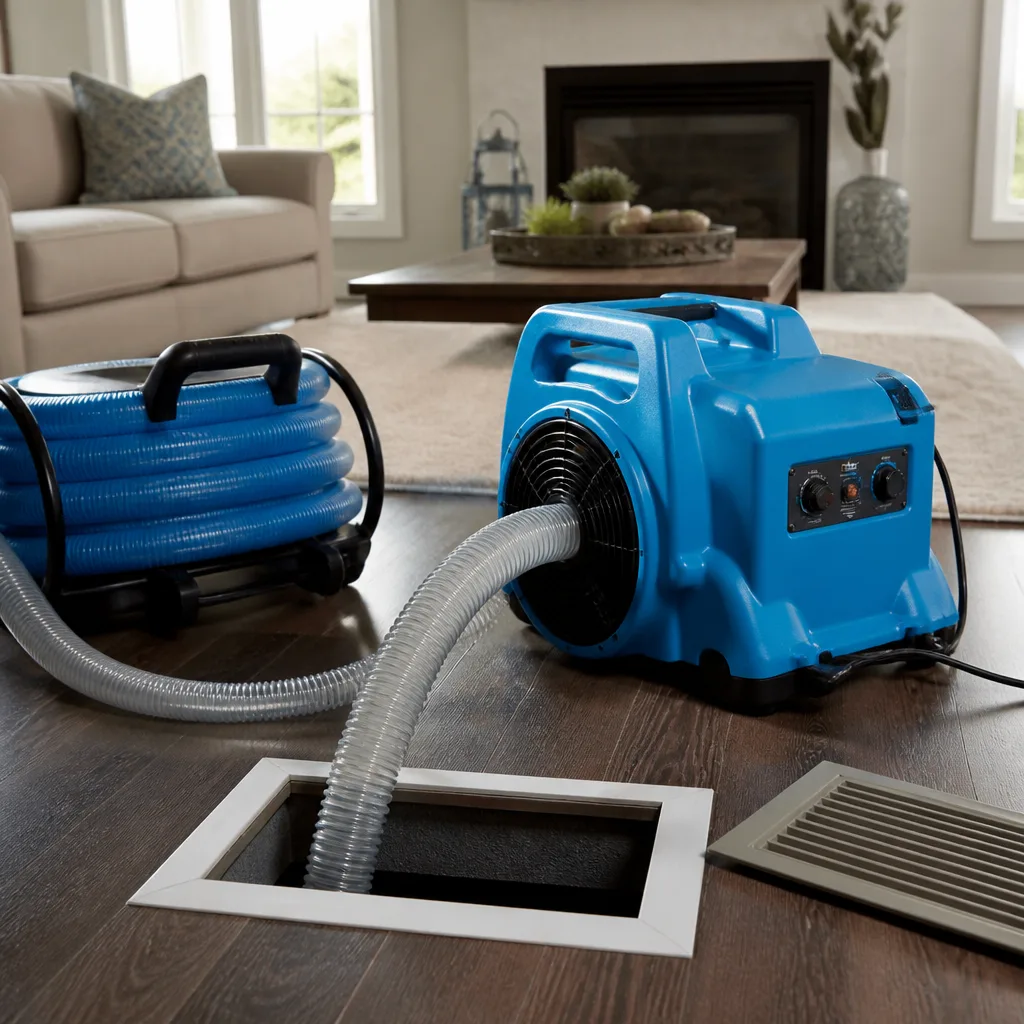 Sanitizing & deodorizing
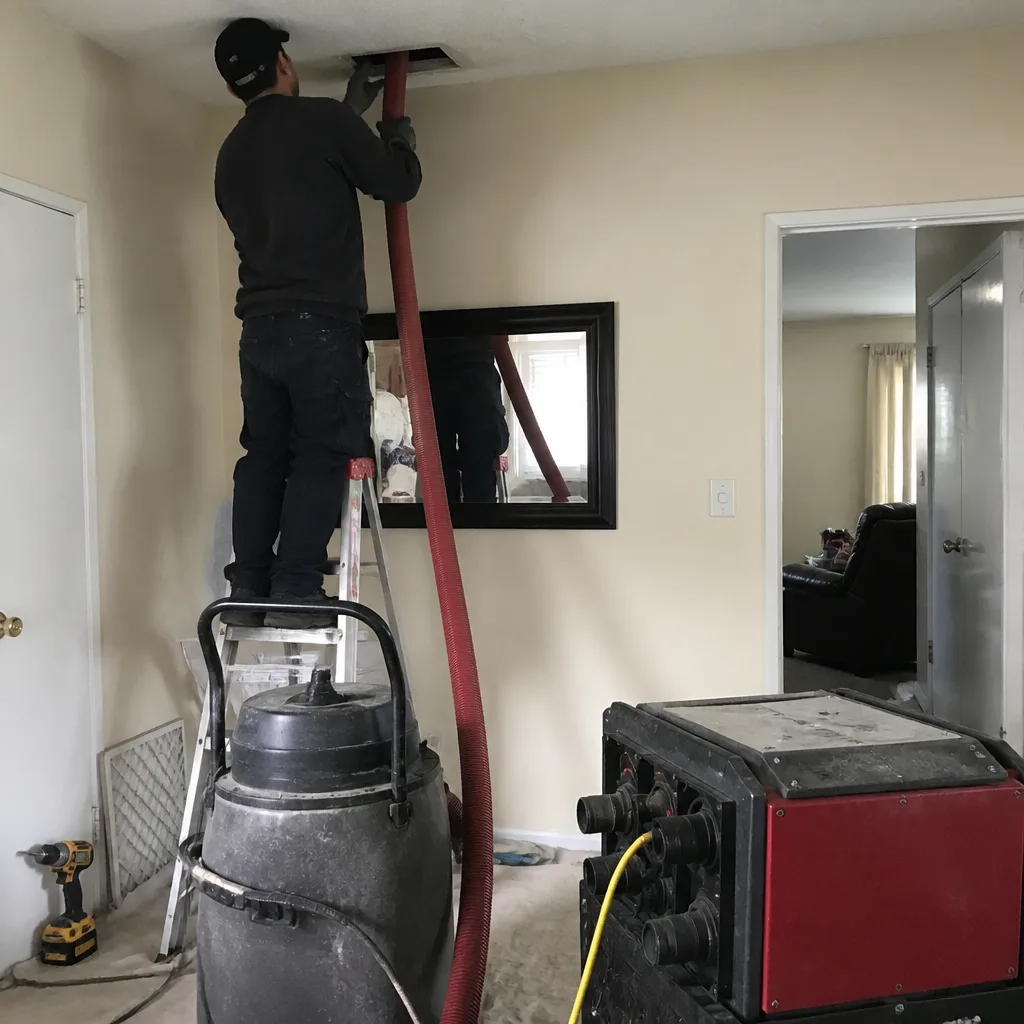
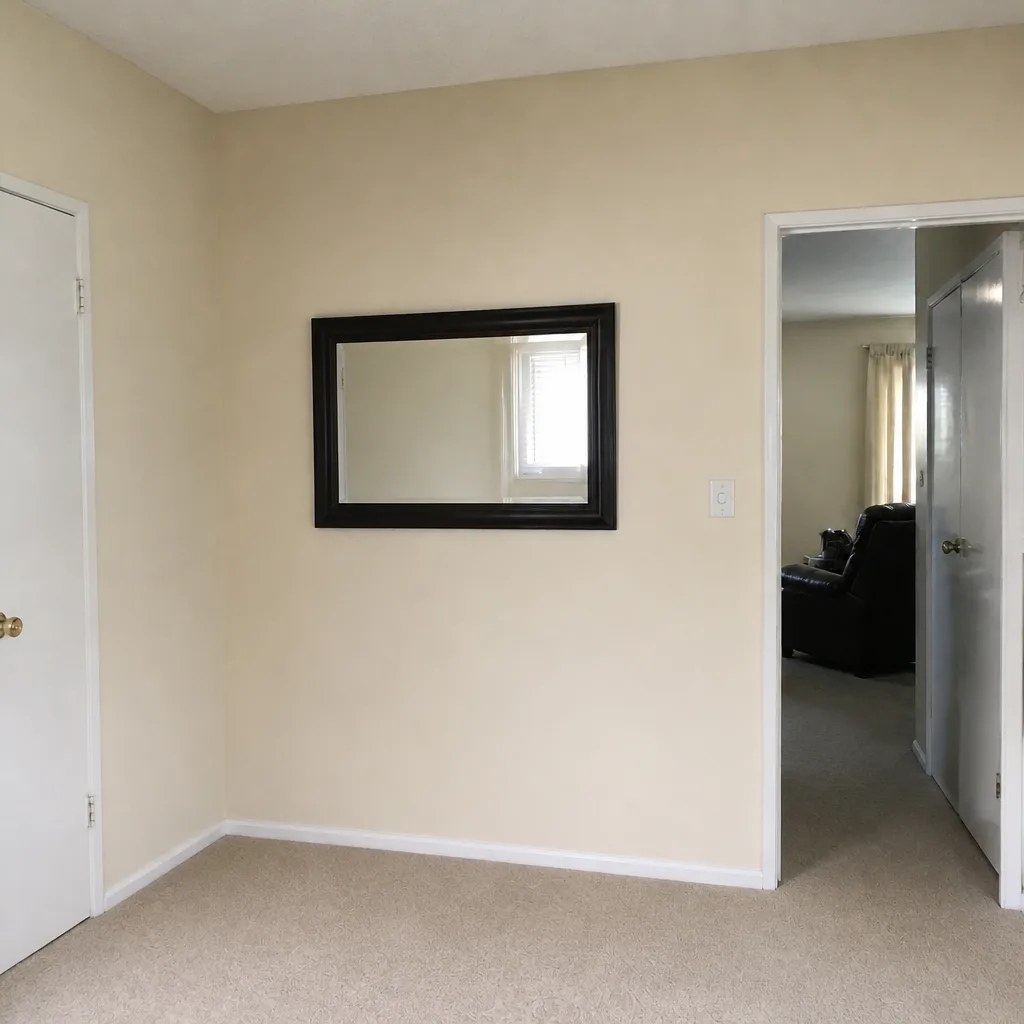
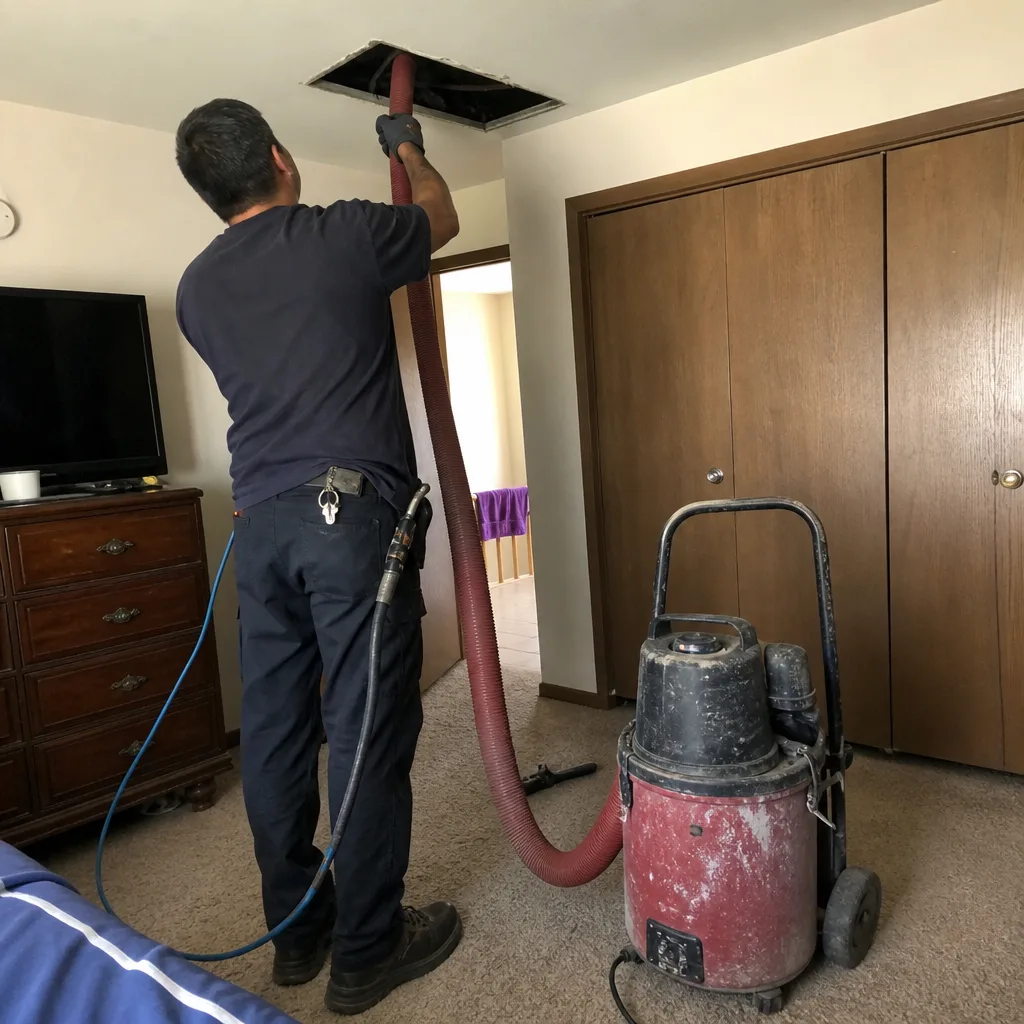
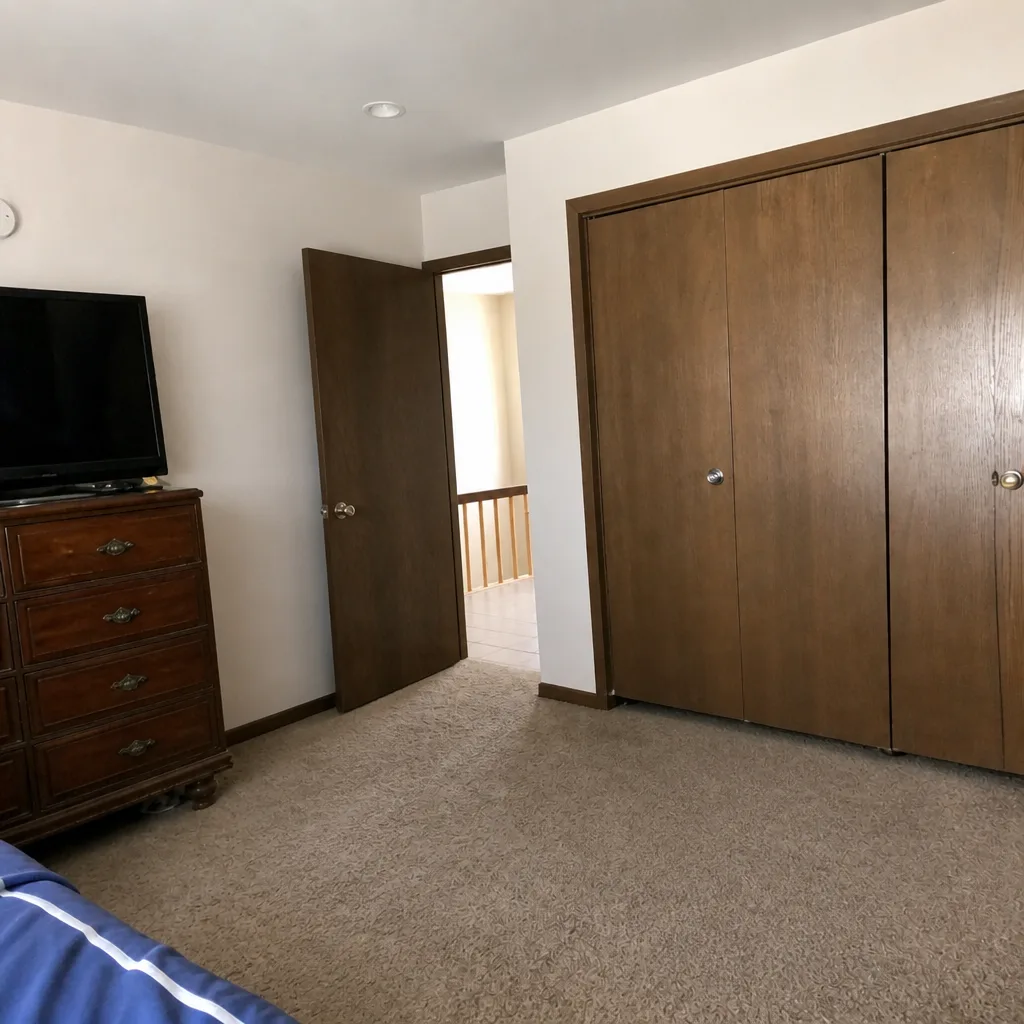
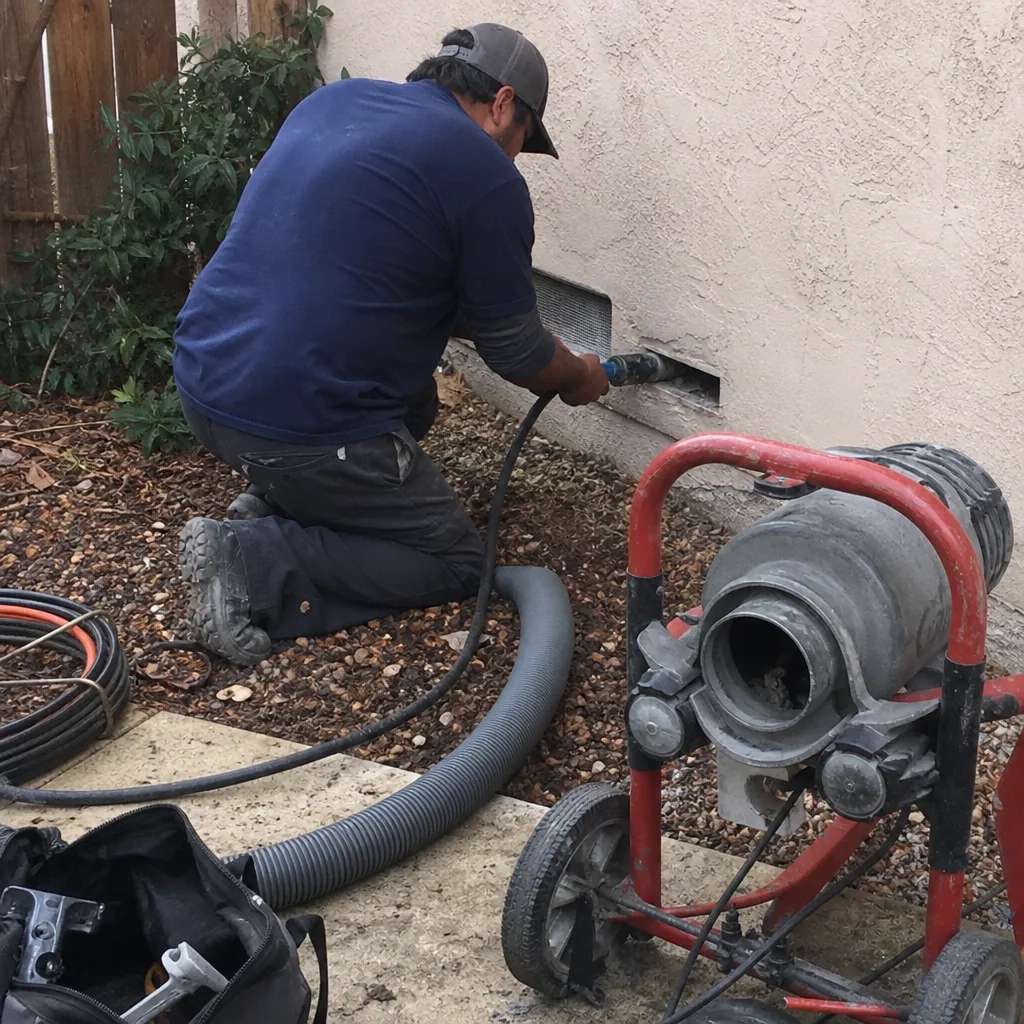
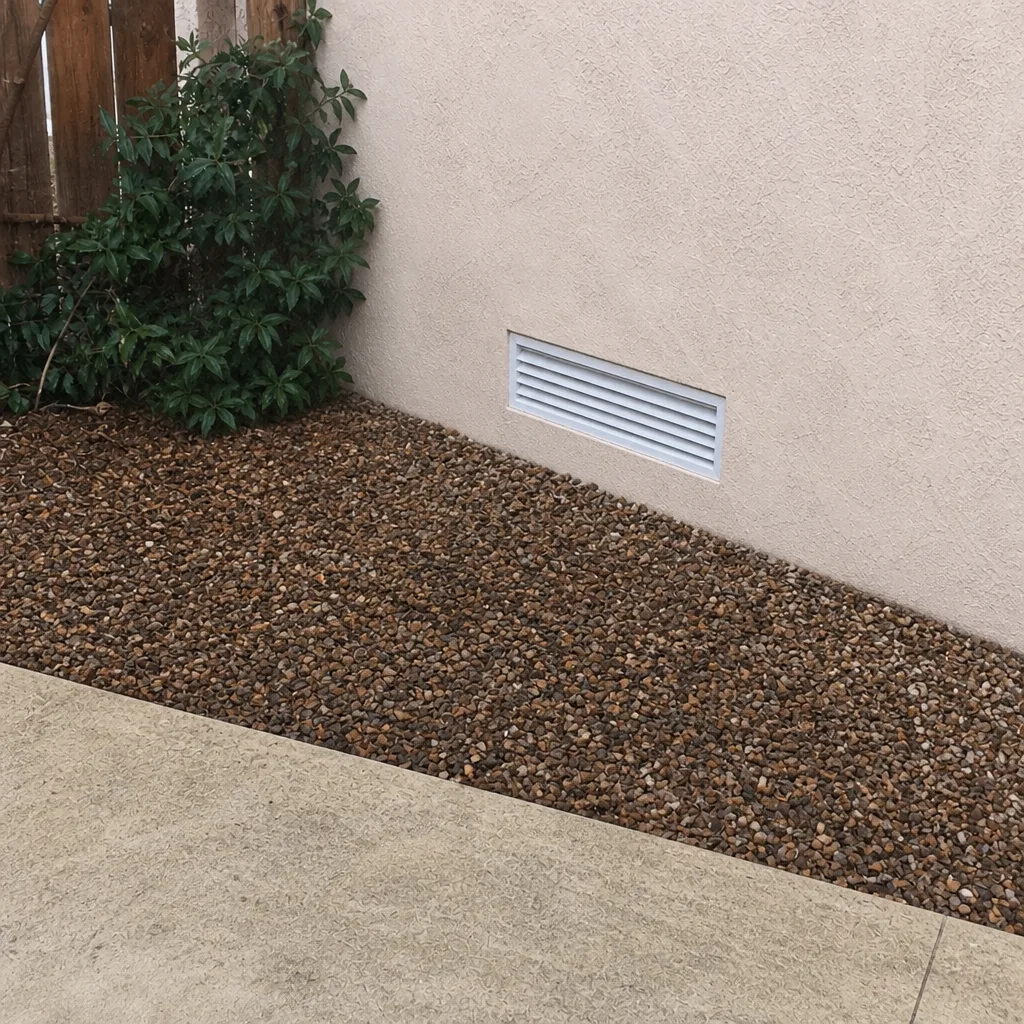
Whole-system duct and dryer vent check with before-and-after photos - you see exactly what came out of your vents
That "$99 whole-house special" is a bait ad - the real number appears once they are in your hallway, or the "clean" is a shop-vac at the register. We photograph the inside of your ducts before and after instead.
How to Hire an Air Duct Cleaning Contractor in Antioch: A Step-by-Step Guide
Most homeowners assume duct cleaning is a licensed trade. In California, it isn’t. Contra Costa County doesn’t require a specialty license to clean ducts, and a company only needs a C-20 HVAC license if it’s making physical modifications to your system. That regulatory gap is exactly why $49 coupon outfits keep appearing and keep operating under a new name after the complaints pile up. The cleaning itself is largely unregulated, which means the only real protection you have is knowing what to ask before anyone touches your system. This guide walks through the license types, the five questions that separate professional-grade contractors from upsell crews, and how to read a written scope of work. You’ll leave knowing how to vet a contractor in Antioch on your terms, not theirs.
Quick Answer
To hire an air duct cleaning contractor in Antioch, verify what license the company holds (C-20 if they modify ductwork, and the cleaning work itself is unregulated), confirm the equipment they use by brand name, ask for a written scope of work before scheduling, and check NADCA membership and reviews for bait-and-switch patterns. A legitimate contractor will explain the process, put an agreed price per system in writing, and show before-and-after photos of your ducts. Anyone who quotes per vent sight-unseen or offers a coupon price that grows once they’re on site is telling you something useful about how the job will run.
Styles & brands we work with
- Whole-home duct cleaning
- Dryer vent cleaning
- Camera inspection
- Sanitizing & deodorizing
Table of Contents
- Who actually needs a license to clean ducts in Antioch?
- Five pre-hire questions that separate real contractors from upsell crews
- What a legitimate written scope of work looks like
- How to verify NADCA membership and what it obligates
- Red flags in East Bay reviews that signal bait-and-switch pricing
- Why equipment brand names matter more than a company logo
- Cleaning vs. repair: why the distinction changes who you hire
- The dryer vent question worth asking during the same visit
- Common mistakes to avoid
- When to call a professional
- Frequently asked questions
Who actually needs a license to clean ducts in Antioch?
The cleaning work itself does not require a specialty license in California. What does require licensing is physical modification to your duct system. That distinction matters because it determines what you’re actually checking when you verify a contractor.
Here’s how the license types sort out for a duct project in Antioch:
- C-20 (HVAC license): required if a contractor is making physical changes to ductwork – sealing, reconnecting, replacing segments, or substantially altering the system. A C-20 holder can legally perform that modification work.
- C-38 (Refrigeration): covers refrigeration and cooling equipment. Useful if your project touches the refrigeration side, but not inherently a duct-cleaning credential.
- Class B (General Building): allows a wide range of general contracting work, but it is not a specialty HVAC credential. It doesn’t make anyone a duct specialist.
- No license at all: legal for the cleaning pass alone. This is the gap that lets a van with a shop vac bid against a truck with professional equipment.
What this means in practical terms: when you’re hiring for cleaning, ask what happens if they find a damaged duct. A clean-only outfit will hand you a report and send you looking for someone else. A company that holds HVAC capacity – or partners with licensed HVAC professionals – can address what they find. We’re careful to frame it this way because the license question is genuinely murky in this state, and any contractor who claims the cleaning itself requires a specialty license is misrepresenting the law. Ask for the license number and check it against the California State License Board, which is where the real verification happens.
Five pre-hire questions that separate real contractors from upsell crews
These are the questions that give you the clearest read on a contractor in a five-minute phone call. Ask all five and listen to how the answer is framed, not just what’s said.
- What equipment do you bring? You want a brand name, not a vague “professional-grade system.” Rotobrush brush agitation, Nikro HEPA extraction, and Abatement Technologies negative-air filtration are the tools of the trade in commercial and remediation environments. A company that names its system is a company that can talk you through the process it runs.
- Will you give me a written scope of work before arrival? A legitimate contractor puts the work in writing: the number of supply and return runs, what’s included in the cleaning pass, and how the system will be inspected. If they want to discuss pricing once they’re in your home, that conversation is going to grow.
- Do you perform duct repair, or only cleaning? Most companies stop at cleaning. Ask directly what they do when they find a crushed flex run, a disconnected joint behind a wall, or a leaky return. If the answer is “we recommend an HVAC company,” you now know the limits of the engagement.
- Are you NADCA members? National Air Duct Cleaners Association membership is voluntary. It doesn’t confer a license, but it does mean the company chose to align with an industry standard. Ask directly – the answer is either yes or it isn’t.
- Can you show me before-and-after photos of my own ducts? Not stock images. Not a binder. Photos of your system, before and after. A company that photographs its own work is a company that expects to be held to it.
Our own answers to those five are straightforward: Rotobrush and Nikro equipment, professional-grade throughout; a written scope before we schedule; full repair capability alongside cleaning; and before-and-after photos of every system we work on. The point of the questions isn’t to script what you’ll hear – it’s to give you the vocabulary to spot a crew that’s never had to explain its process before.
What a legitimate written scope of work looks like
A vague invoice is where bait-and-switch pricing lives. A written scope of work is the document that prevents it. Here’s what the difference looks like in practice.
A proper written scope for duct cleaning in Antioch will specify:
- The number of supply registers and return grilles included in the service. This matters because per-vent pricing leaves room for “we found three more runs” once on site.
- The cleaning method itself – source removal with brush agitation, HEPA extraction, negative air pressure containment. Not just “we clean.”
- Whether the air handler, blower compartment, and evaporator coil area will be accessed. Some companies clean the ducts and leave the coil untouched. That’s a cleaning gap.
- The post-cleaning inspection process and how you’ll receive documentation. Photos are the baseline.
- A statement that the price is for the system as measured, with a written change order required if the scope expands.
What you shouldn’t see: a flat dollar figure for “the system” without a run count, a per-vent penny price, or language that reserves the contractor’s right to add findings once the work begins. The invoice should match the estimate. If a company hands you a scope of work that’s a single sentence – “complete duct cleaning as discussed” – you have no protection if the price grows.
We put the scope in writing before we schedule, and the estimate is free. You’ll know what’s covered, what isn’t, and what the price is for the system. If the read during the job reveals damage that changes things, the conversation is about a written change order you approve, not a surprise line on the bill. That’s the standard you should hold any contractor in Antioch to, and it’s the reason we’re explicit about it.
How to verify NADCA membership and what it obligates
NADCA, the National Air Duct Cleaners Association, is the industry’s voluntary standards body. Membership is a meaningful signal – but it’s worth understanding what it does and doesn’t mean before you treat it as a credential.
What NADCA membership obligates a company to do:
- Adhere to the ACR (Assessment, Cleaning, and Restoration) standard, which defines how duct systems should be assessed, cleaned, and verified afterward.
- Follow source-removal methodology rather than chemical fogging or “blow-and-go” cleaning that redistributes dust back through the system.
- Maintain the practice of documenting the work, including before-and-after conditions.
What NADCA membership does not do:
- It does not license the contractor. Membership isn’t a state credential.
- It does not guarantee the equipment they use is professional-grade. Membership is a process commitment, not an equipment audit.
- It does not prevent the company from running aggressive pricing on a review site.
You can verify membership at the NADCA website directly. Ask the contractor for their member number and check it yourself – the thirty seconds it takes is the difference between a genuine credential and a claimed one. In our experience, a real member will be glad you asked, and will explain the ACR standard in plain language. That explanation is itself a useful screening tool.
Red flags in East Bay reviews that signal bait-and-switch pricing
Online reviews are the place East Bay homeowners do most of their contractor vetting, and they’re also the place bait-and-switch pricing shows up most clearly if you know what pattern to look for. The pattern isn’t a single negative review – it’s a shape that repeats.
- Reviews that praise the initial inspection but describe a price increase once work began. This is the primary pattern. The framing is “the technician found X once they were on site” – which is exactly the scenario a written scope of work is designed to prevent.
- A cluster of recent reviews after a long quiet period. Newly resurfaced companies under a fresh name often have review clusters that start abruptly. Cross-reference the business name against older complaints using the license number.
- Reviews mentioning equipment in negative terms. “Shop vac,” “chemical sprayer,” “no containment” – those words in a one- or two-star review tell you something useful. A company running Rotobrush or Nikro equipment doesn’t leave that complaint.
- Genuine reviews that praise the crew but mention “additional findings.” If even satisfied customers describe a moderate to large price increase after arrival, that’s the bait-and-switch showing through positive reviews.
- Very cheap coupon pricing attached to Antioch-specific listing pages. A $49 or $99 advertised price for a whole system doesn’t cover the labor of a professional-grade clean. It’s the entry point for the upsell.
One more pattern worth noting: companies that change their name every eighteen to twenty-four months. Check the license number against the CSLB. If the number maps to a different name than the one on the van, ask why. In our experience, that question alone filters out most of the problem operators working the East Bay corridors.
Our feedback tends to focus on the equipment and the photo documentation, which is what we want it to focus on. The job itself – air duct cleaning – is what it is, and the customer’s own photos of the before-and-after are the check. For how often this should happen, our Duct Cleaning Antioch page walks through timing, which is a separate question from how to vet a contractor.
Why equipment brand names matter more than a company logo
The equipment question separates the field more cleanly than any other. Professional-grade duct cleaning in Antioch works through a layered process, and the tools named along the way tell you whether the company is running that process or a single pass.
- Rotobrush brush agitation: mechanical agitation opens up the duct surface where dust and debris accumulate. Without it, extraction alone leaves a residue layer behind.
- Nikro HEPA extraction: negative-pressure collection with HEPA filtration, capturing fine particulate rather than pushing it into your living space.
- Abatement Technologies negative-air filtration: containment-level air quality control, the same class of equipment used in remediation work. This is the piece most consumer-grade operators skip entirely.
You don’t need to know the technical specifications on these brands to ask about them. “What equipment do you use, by name?” gets you a clear answer one way or the other. If the response is “we use professional equipment,” ask for specifics – if they can’t name a system, that’s telling.
Post-cleaning, professional duct service in Antioch often includes filtration upgrades. We partner with Honeywell and Aprilaire product lines, which means we can recommend and install filtration and air-quality upgrades as part of the whole-system picture after a clean. Those upgrades aren’t required for every job – most homeowners don’t need them – but if your existing filter is undersized or your return is pulling dust back through the system, having the conversation after the clean is the right time. Equipment choice is the foundation. The Antioch housing stock varies widely, and the filter setup that made sense in a newer build isn’t always what an older home needs.
Cleaning vs. repair: why the distinction changes who you hire
Most duct cleaning companies clean. Fewer repair. That gap matters because a cleaning pass on a compromised system is only partially effective – you’re cleaning around a problem. Hiring a company that can do both means the report they hand you is a scope of work, not a referral list.
What repair-level work looks like after a cleaning assessment:
- Sealing disconnected joints. Common in older systems where flex duct has worked loose behind drywall or in an attic run.
- Replacing crushed or kinked flex runs. These restrict airflow to specific rooms, which shows up as hot or cold spots regardless of how the system is tuned.
- Resealing the air handler cabinet. Leaky cabinets pull attic or garage air into the system, which is functionally a dirt source.
- Correcting returns that draw from the wrong side of the house. This is often a design issue, but it can be addressed with re-routing in some cases.
At the point where the repair involves modifying the HVAC system layout or refrigerant circuits, a licensed HVAC professional is the right call. We’re clear about that line: we clean the duct system, we repair the duct system, and we hand off refrigeration and system-level HVAC work to licensed professionals. No single visit fixes a duct system that was misinstalled thirty years ago – but the cleaning and repair work together get you most of the way there.
Ask the question explicitly when you’re vetting a contractor in Antioch: “Do you repair, or only clean?” The answer sorts the field quickly. And if the company says, “We clean and recommend,” ask for the recommendation in writing – a maintenance note is only as useful as the follow-through.
The dryer vent question worth asking during the same visit
Dryer vents are a separate system from your HVAC ducts and a separate fire-hazard concern. Lint accumulates over time, and a clogged or restricted dryer vent is a straightforward fire risk that’s worth addressing directly – not as an add-on at the end of a cleaning visit, but as its own service.
When you’re booking duct cleaning in Antioch, ask what the company charges for a dryer vent cleaning in the same visit. If they don’t offer it, you’ll need to book a separate appointment with a different provider. If they do offer it as a distinct service with its own scope and price, that’s the sign you’re working with a company that treats it seriously rather than using it as an upsell.
What dryer vent cleaning actually involves: disconnecting the vent from the back of the appliance, running a dedicated brush and extraction tool through the full run, verifying the exterior vent flap operates freely, and photographing the result. The kind of equipment that works for HVAC ducts – Rotobrush agitation, Nikro extraction – has an analog in the dryer vent world. It’s not the same pass as a shop vac through the end of the hose.
This is one of the reasons our service scope is deliberately limited to three things: air duct cleaning, dryer vent cleaning, and air duct repair. Each one is a genuine specialty. A company that lists twelve services on the side of the van probably does none of them as a specialty.
Common Mistakes to Avoid
- Booking based on the coupon price. A low advertised price for “whole house” duct cleaning is the entry point for an in-home upsell conversation. Real pricing is negotiated per system, in writing, before scheduling. If you can’t get a written price before arrival, that’s the mistake to avoid.
- Skipping the license check. Cleaning itself doesn’t require a license in California, but any physical modification to your ductwork does. If a contractor is talking about repairs, ask for the license number and check it against the CSLB before booking.
- Accepting “we use professional equipment” as an answer. Ask for brand names. Rotobrush, Nikro, and Abatement Technologies are the professional standard. If the answer stays vague, the equipment is probably a shop vac.
- Hiring a clean-only company when repair is the actual need. In older Antioch homes with older ductwork, the issue is often a crushed run or a disconnected joint, not accumulated dust. A clean-only company will hand you a report and leave.
- Forgetting the dryer vent. Many homeowners in Antioch have never had their dryer vent professionally cleared. It’s a separate service from duct cleaning and carries its own fire-safety weight. If you’re booking one, ask about the other.
- Trusting stock photos as proof of work. “Before-and-after” photos should be of your own ducts, not a photo library. Ask directly at the start of the visit whether you’ll get photos of your system.
- Not asking about NADCA membership. Membership is voluntary, which means it’s a real filter. A member company is committed to the ACR standard; a non-member might still be good, but you have fewer reasons to assume so.
When to Call a Professional
Duct cleaning is a scheduled service, not an emergency. There’s no urgency to it in the way there is with a failed water heater. But there are specific scenarios where professional cleaning, or cleaning plus repair, is worth booking:
- You’ve just finished a renovation, and the drywall dust and construction debris are in the system.
- Someone in the household has persistent allergy or respiratory symptoms that don’t resolve with filtration changes.
- You’ve moved into a home in Antioch where the previous owner’s service history is unknown.
- The system is visibly dirty at the registers, or you can see accumulation at the return grille.
- Airflow to some rooms is noticeably weak, which may point to a crushed or disconnected run rather than accumulated dust.
- You’ve never had a dryer vent professionally cleared in the home.
If any of those sound familiar, book an estimate. Duct Cleaning Antioch offers free estimates in Antioch – call (877) 212-3243. We answer 24/7. Fast dispatch from 7am to 7pm, Sunday through Friday.
Frequently Asked Questions
Air duct cleaning in Antioch is priced per system, not per vent, and the typical range depends on the number of runs, whether the air handler is included, and whether the job is a whole-system clean or a partial. We don’t quote per-vent prices and we don’t run coupon pricing, because the honest number is a whole-system number agreed in writing before the visit. Call (877) 212-3243 for an exact quote – estimates are free.
Cheap quotes are usually cheap for a reason: less equipment, less time on site, and a pricing structure that grows once the technician arrives. A $49 or $99 coupon doesn’t cover the labor of a professional-grade clean with Rotobrush and Nikro equipment, so the difference gets made up in “additional findings.” That’s the bait-and-switch pattern in this trade, and the way to avoid it is to get a written scope of work with a system-level price before scheduling.
Before-and-after photos of your own ducts are the practical answer. A legitimate contractor photographs the system before the cleaning pass and again after, and those photos are the check against the work being skimmed. Beyond photos, you should be able to see the containment setup and hear the equipment running during the job. If you’re not seeing either, ask. The photos are the verifiable record.
There’s no universal timeline that fits every home in Antioch. The honest answer is that cleaning frequency depends on the home: whether there are pets, recent renovations, allergy concerns in the household, or an older duct system. Most homes go five to seven years between professional cleans, but a post-renovation clean is its own case. Call (877) 212-3243 and we’ll talk through your specific situation rather than give you a rigid interval.
Not for the cleaning itself. California doesn’t require a specialty license for the cleaning work, which is exactly why vetting matters more than usual. Any physical modification to the duct system requires an HVAC license, so if the job includes repair work, ask for the license number and check it against the CSLB. Cleaning is unregulated; modification is licensed. That distinction is the piece most homeowners miss.
Yes, and it’s worth asking about up front. Dryer vent cleaning is a distinct service from duct cleaning – it’s a separate scope, a separate pass, and a separate concern from an air-quality standpoint. It happens to pair well with a scheduled duct clean because both are on the same visit. Call (877) 212-3243 for the combined scope and a system-level price for both.
The Bottom Line
The duct cleaning industry in California has no mandatory licensing for the cleaning work itself, which means the homeowner’s protection is information – knowing what to ask, what to require in writing, and what equipment the quote actually covers. The five pre-hire questions, the written scope of work, the license check against the CSLB, and a real read on review patterns cover the ground. Everything else – the coupon price, the stock photography, the vague “professional-grade” language – is noise that a well-prepared homeowner can filter in a single phone call. Book an estimate with Duct Cleaning Antioch and you’ll see the scope in writing before anyone touches the system – call (877) 212-3243. We answer 24/7. Fast dispatch from 7am to 7pm, Sunday through Friday.
Written by the team at Duct Cleaning Antioch.
See the difference
 Before
 After
 Before
 After
 Before
 After