
Last updated November 15, 2026
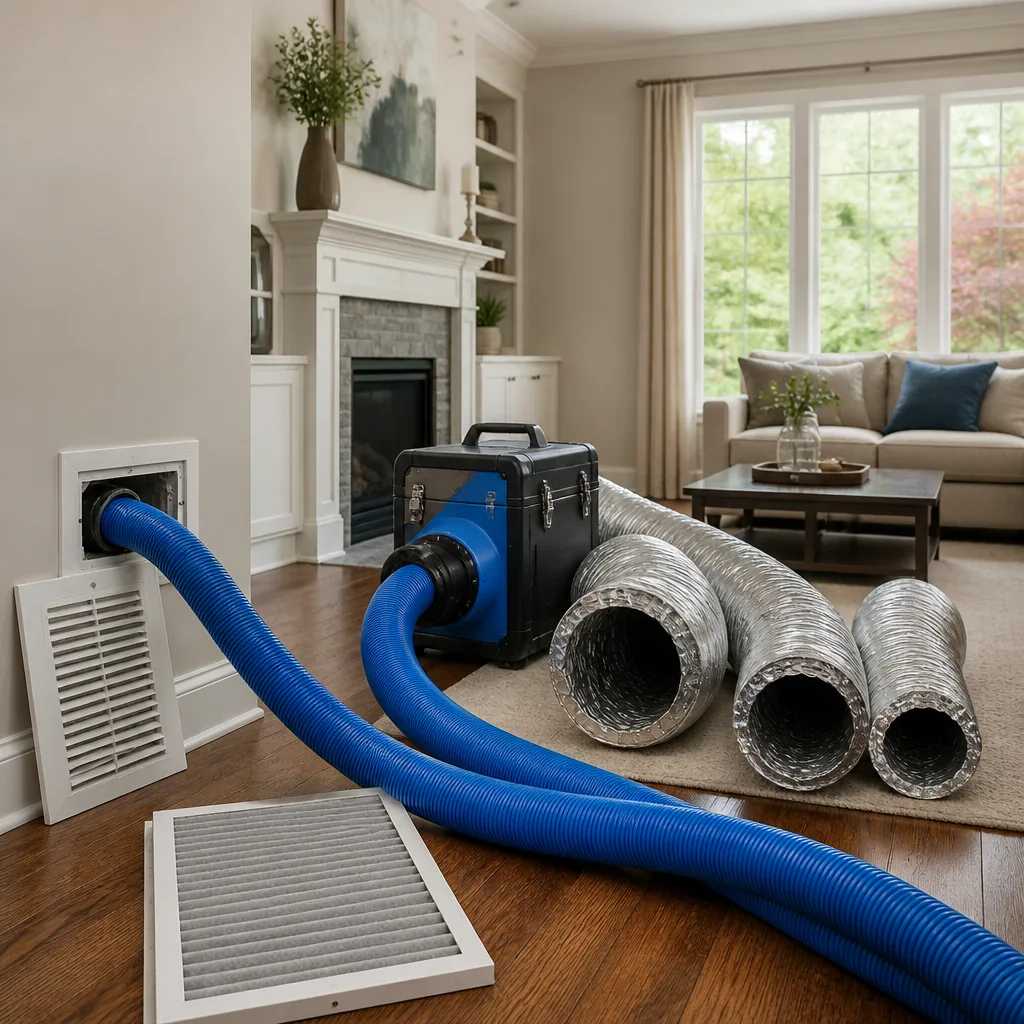 Whole-home duct cleaning
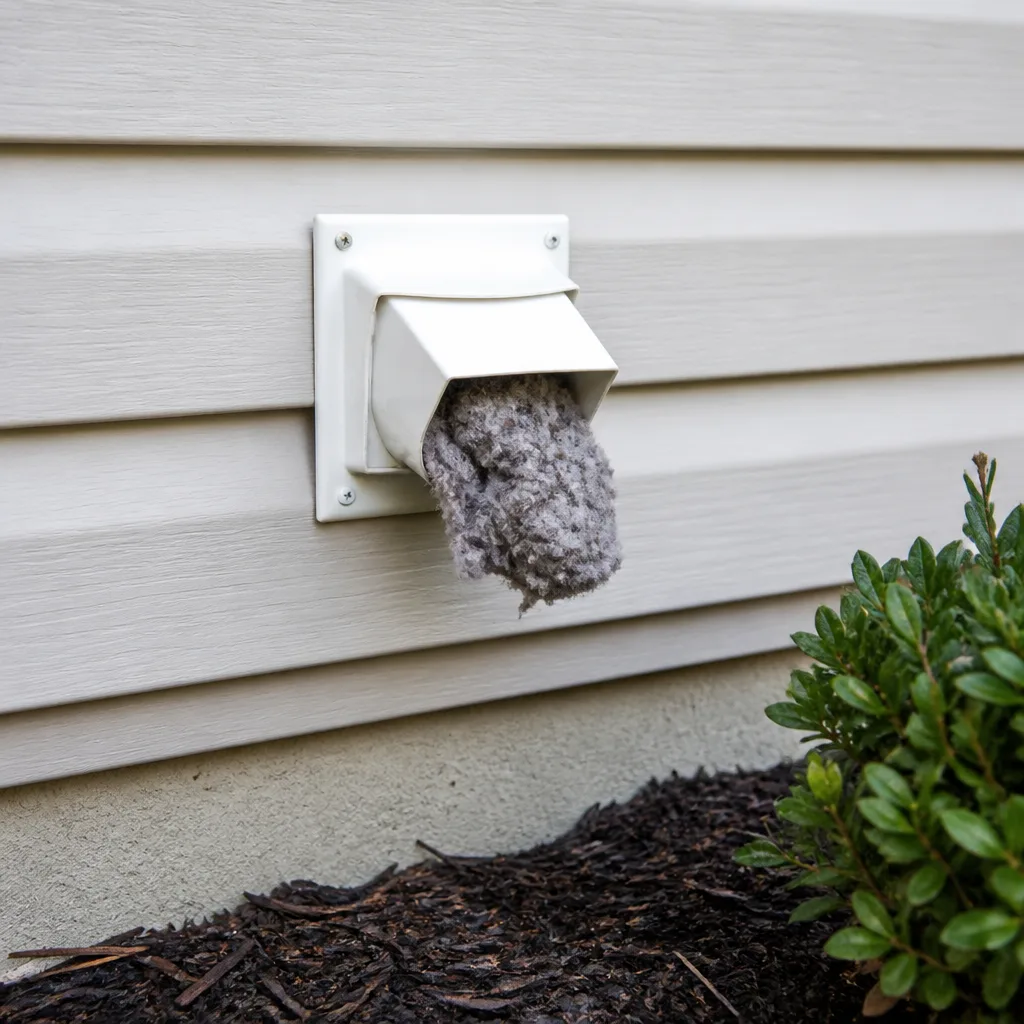 Dryer vent cleaning
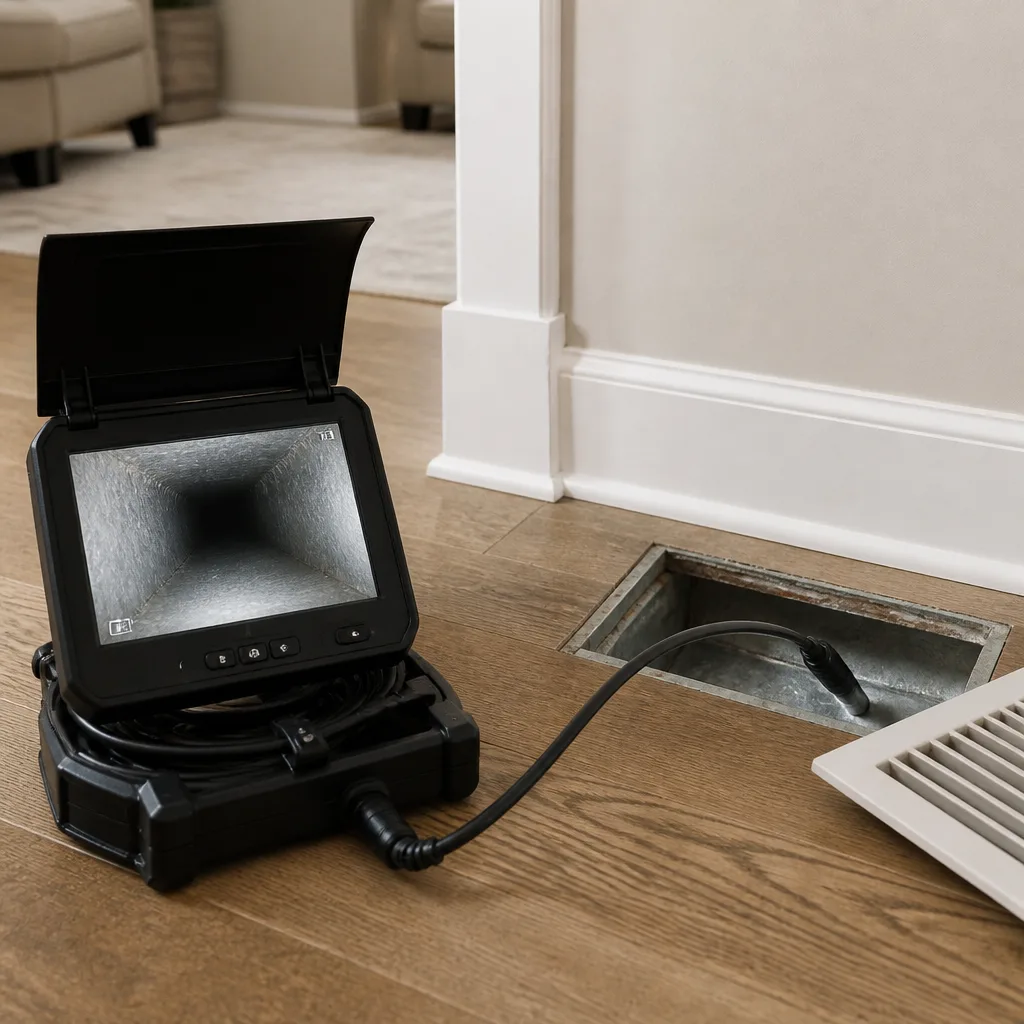 Camera inspection
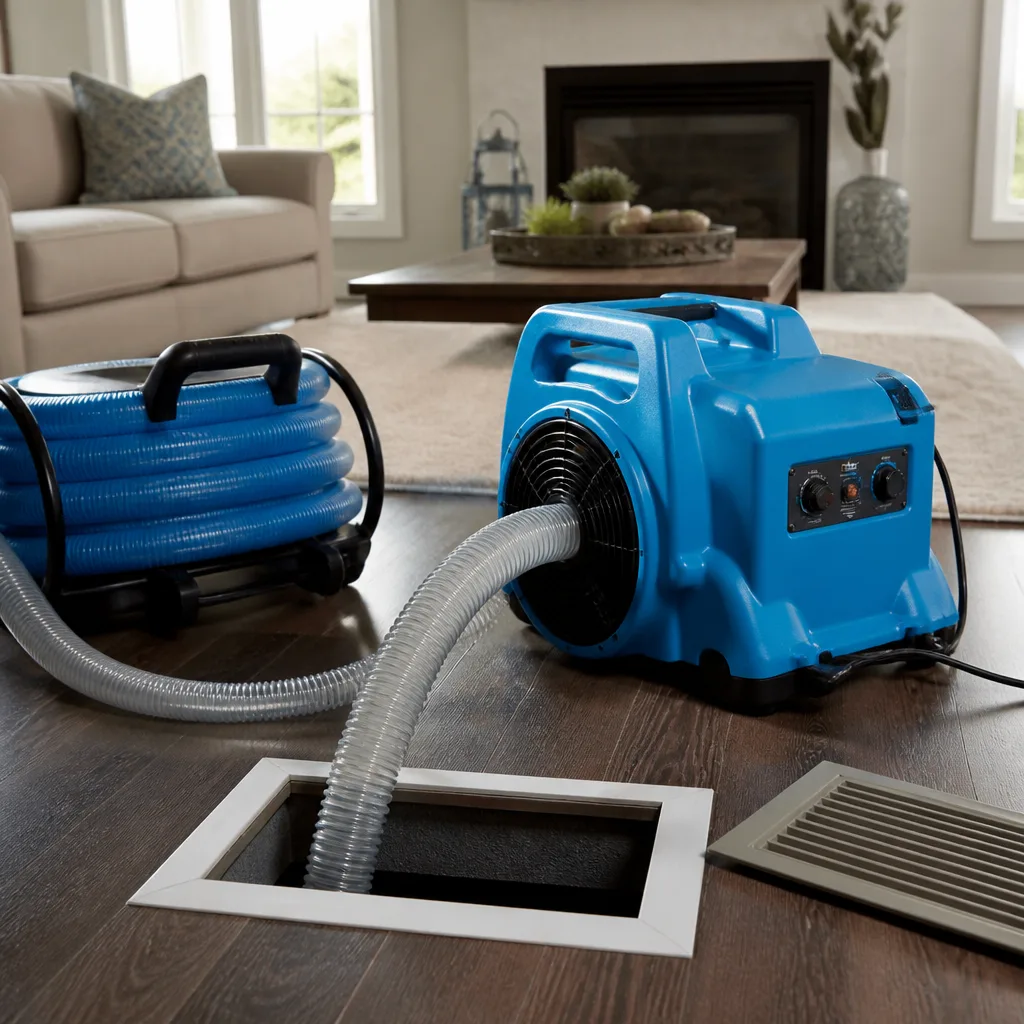 Sanitizing & deodorizing
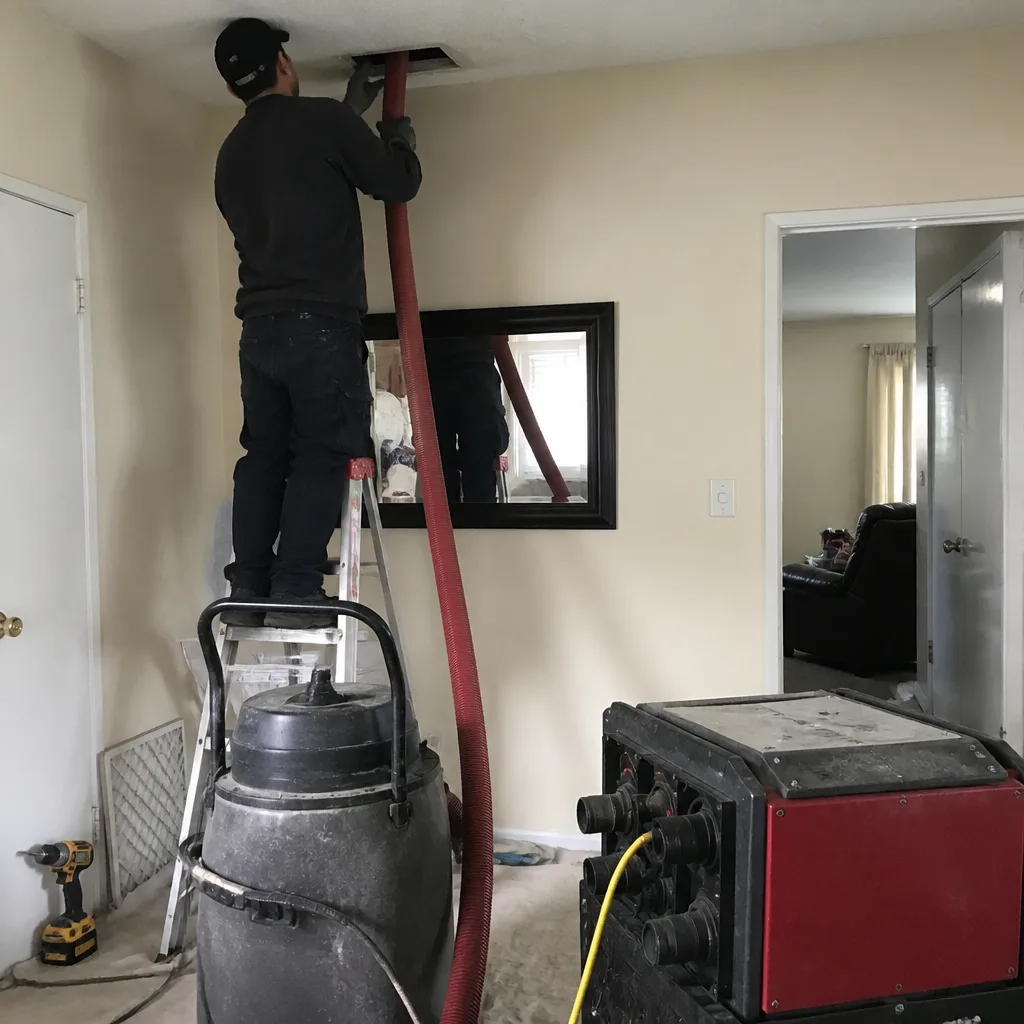
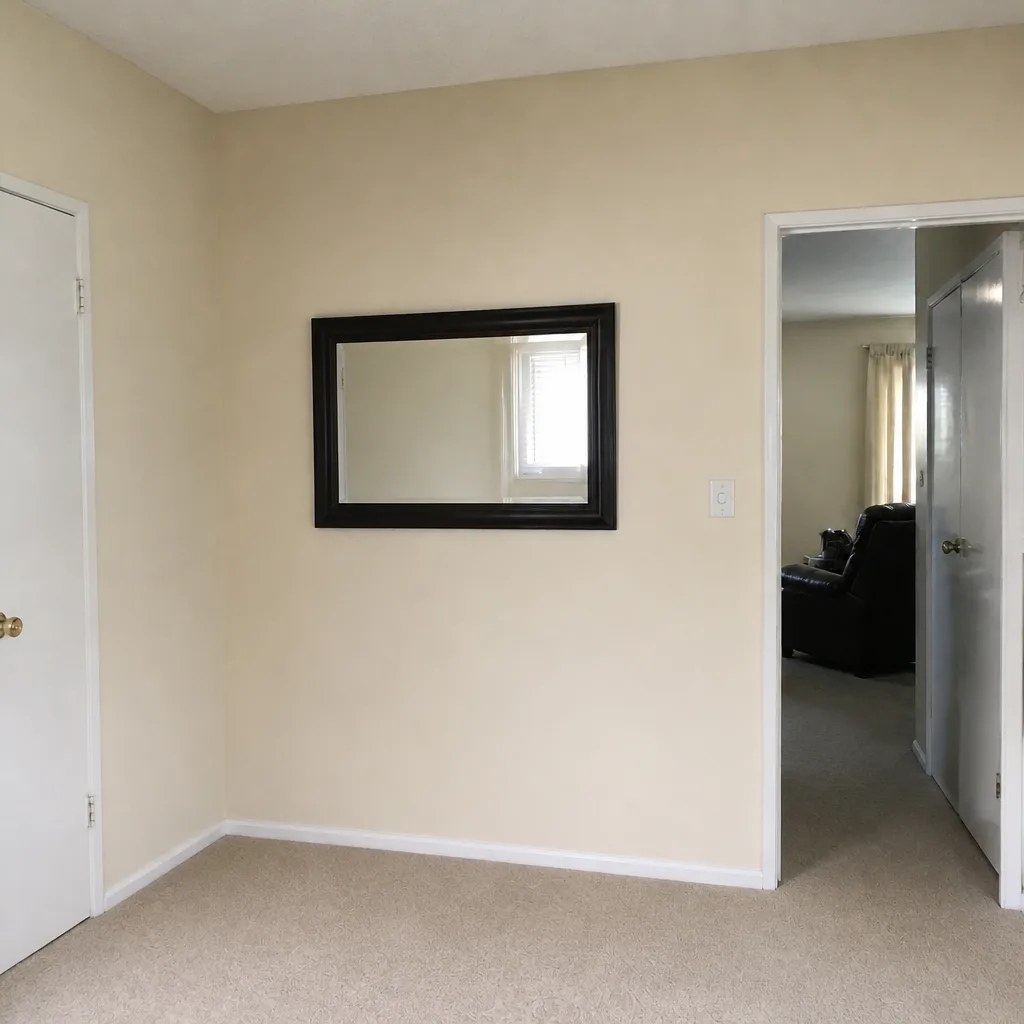
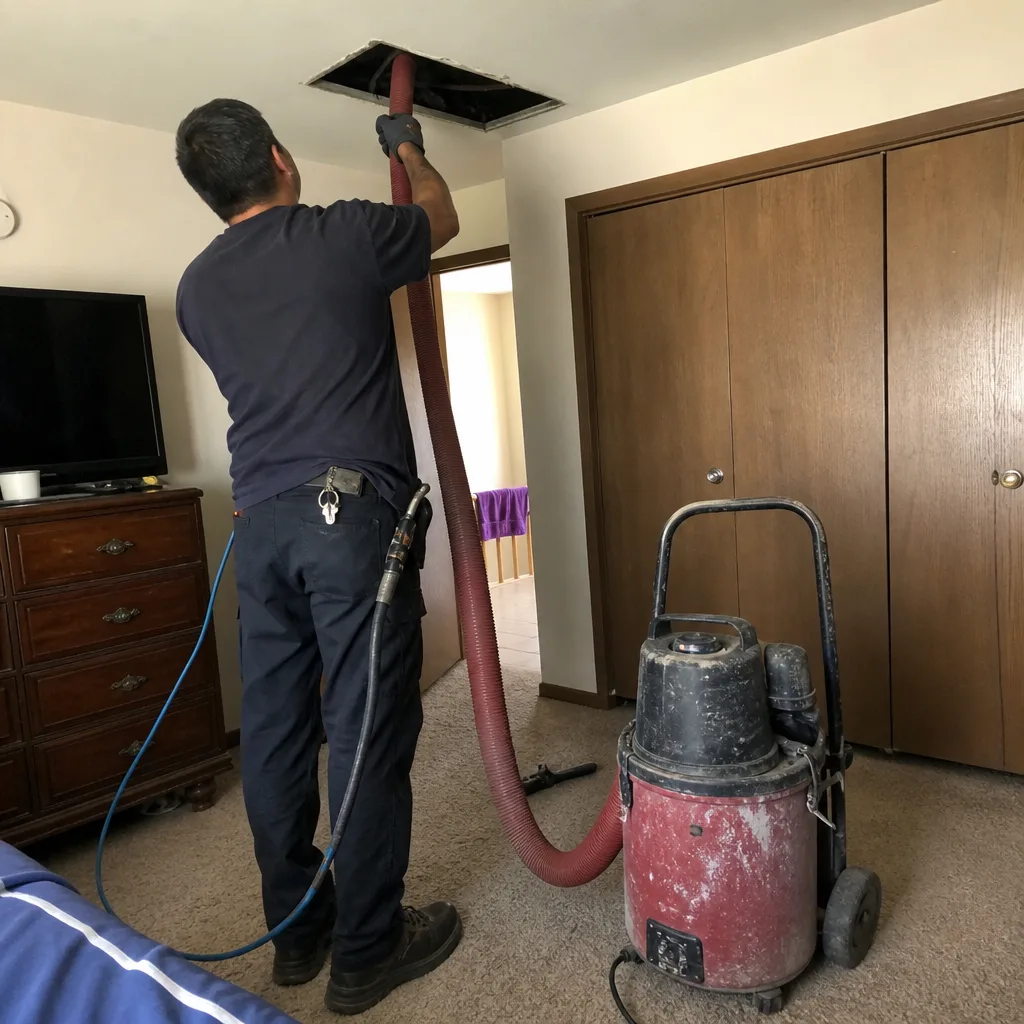
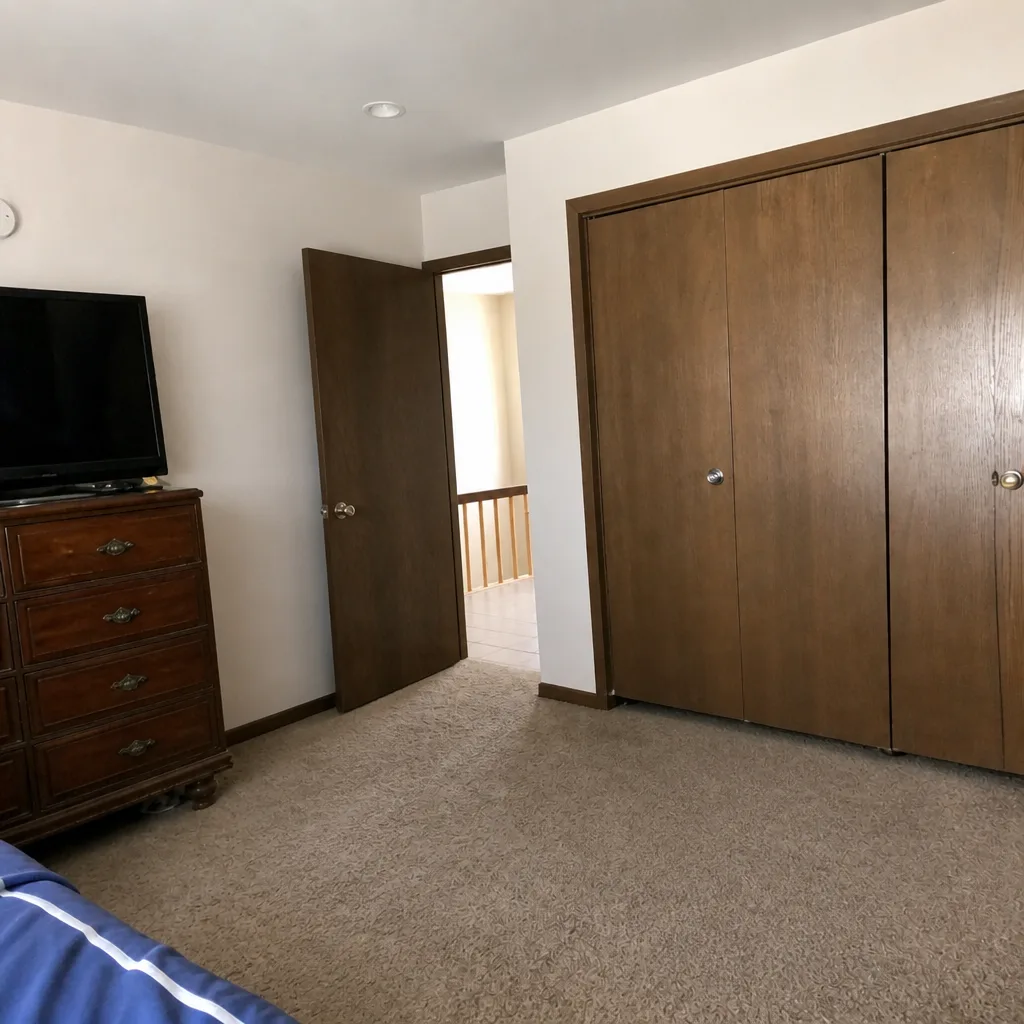
Whole-system duct and dryer vent check with before-and-after photos - you see exactly what came out of your vents
That "$99 whole-house special" is a bait ad - the real number appears once they are in your hallway, or the "clean" is a shop-vac at the register. We photograph the inside of your ducts before and after instead.
Air Duct Cleaning Emergency Preparedness Guide for Antioch Homes
Most Antioch homeowners treat duct cleaning as a spring-cleaning item, something you get to every few years when the vents start looking dusty. That thinking breaks down during an air quality emergency. When wildfire smoke settles over the Delta and the sky turns orange, a leaky duct system doesn’t protect you from what’s outside. It pulls it in. The homes that suffer most during a smoke event are rarely the ones with old filters. They’re the ones with gaps in the air handler cabinet, unsealed joints, and duct runs that have never been inspected. What follows is a working plan: what to do before an emergency, what to do during one, and what to do after. It’s written for Antioch’s specific conditions, from the industrial corridor along the river to the older housing stock near the downtown grid.
Styles & brands we work with
- Whole-home duct cleaning
- Dryer vent cleaning
- Camera inspection
- Sanitizing & deodorizing
Quick Answer
Before an air quality emergency, seal your duct system and air handler cabinet so smoke can’t infiltrate. During a wildfire smoke event, run your HVAC fan on recirculation with a high-MERV filter and keep windows closed. After any smoke, flood, or major renovation event, a professional duct cleaning and inspection is not optional; the filter, evaporator coil, and duct surfaces all need to be addressed in that order, and repairs to seal leaks should follow.
Table of Contents
- Pre-Emergency Duct Prep: Sealing Before the Smoke Arrives
- What to Do With Your HVAC During Active Wildfire Smoke
- Post-Smoke-Event Cleaning Protocol
- Flood and Moisture Emergencies: The 72-Hour Window
- Post-Renovation Dust: Why It’s a Trigger, Not a Chore
- Power Outages and Duct Systems
- Common Mistakes to Avoid
- When to Call a Professional
- Frequently Asked Questions
Pre-Emergency Duct Prep: Sealing Before the Smoke Arrives
The best time to protect an Antioch home from wildfire smoke is months before the first red flag warning. Duct sealing isn’t glamorous work, but it’s the single highest-value upgrade for smoke resilience. Here’s why: your HVAC system operates under negative pressure relative to the outdoors in most homes. When return air is pulled through the system, any gap in the ductwork or the air handler cabinet becomes an infiltration point. Smoke finds those gaps the way water finds a crack in a foundation. The tighter the system, the less outdoor air gets pulled inside during a smoke event.
The air handler cabinet is the most overlooked part of this equation. Even on homes with newer, well-sealed flex duct, the cabinet itself often has gaps around the filter slot, the coil access panel, and where the plenum meets the unit. These aren’t visible from the hallway. A technician checking the system has to physically inspect the cabinet in the attic or closet, and in our experience, most homes have at least two or three infiltration points that could be sealed with mastic and mesh tape.
What Pre-Emergency Duct Prep Involves
- Inspect the air handler cabinet for gaps. Look at the filter slot, coil access panels, and plenum seams. Anywhere light passes through is a leak.
- Seal accessible cabinet gaps with mastic and mesh. This is a durable seal, not tape that fails in summer heat.
- Check duct joints and boots. Every boot-to-floor connection and every flex duct collar is a potential infiltration point.
- Upgrade the filter housing if possible. A standard 1-inch slot can be retrofitted to accept a 4-inch media filter, which holds more particulate and creates less pressure drop.
- Verify the return air path. Some Antioch homes have return air paths that pull from the garage or crawlspace. Those paths need to be sealed off entirely.
If you’re uncertain where the leaks are, a professional air duct cleaning and inspection visit will include a static pressure test and leak check. That visit tells you what you’re dealing with before fire season rather than after. Sealing is a repair task, and since we also perform Duct Cleaning Antioch-area repair work, we can handle the sealing and the cleaning in a single visit.
What to Do With Your HVAC During Active Wildfire Smoke
When wildfire smoke is in the air over Antioch, the instinct is to shut the HVAC off completely and hope for the best. That’s usually the wrong move. A sealed, well-filtered system running on recirculation becomes a clean-air island inside the house. Shutting it off might reduce infiltration slightly, but it also lets indoor air stagnate and gives you no filtration at all. The better approach is to run the system with the outdoor air damper closed and a filter that can actually capture smoke particulate.
Immediate Actions During a Smoke Event
- Set the thermostat fan to “on” (continuous circulation), not “auto.” Continuous fan means continuous filtration. Cycling fan means filtration only between heating or cooling calls.
- Close the outdoor air damper if your system has one. Many modern systems have an economizer or fresh-air intake. During a smoke event, that intake is a liability. Close it.
- Upgrade to the highest MERV filter your system can handle. A MERV 13 filter captures fine smoke particulate well. Check your system’s rated maximum before going higher; too high a MERV on an older blower can restrict airflow.
- Do not run bath fans or kitchen exhaust fans. Every exhaust fan in the house creates negative pressure and pulls outdoor smoke in through the leaks you haven’t sealed yet.
- Close windows and doors and seal gaps under exterior doors with a towel or door sweep.
- Run a quality portable HEPA purifier in the room where you sleep. This is a backup filter, not a replacement for whole-system filtration.
What Not to Do
Don’t run the system in cooling mode with windows open in an attempt to “flush” the house. That does the opposite of what you want. Don’t switch to a cheap fiberglass filter during a smoke event, because those filters capture almost nothing below 10 microns. And don’t run the system if the filter is loaded with soot; a clogged filter raises static pressure and reduces airflow, which makes everything worse. Replace the filter the moment it starts darkening. If you want a whole-system air quality step beyond filtration, Honeywell and Aprilaire product lines offer media cabinets and activated carbon filters that address the gas-phase components of smoke along with the particulate, and we can walk through those options after the event when the dust settles.
Post-Smoke-Event Cleaning Protocol
Once the smoke clears, the work isn’t over. Smoke particulate settles into duct systems the way dust settles on furniture, and if the system was running during the event, that material got pulled in and distributed across the duct interior. Odor is usually the first sign that something needs attention, but odor is also the last thing to go away without proper cleaning. The sequence matters here: if you clean the ducts but don’t address the coil and cabinet, the contamination source stays put.
The Correct Order of Operations
- Replace the filter first. Before anything else, swap out the filter. It’s holding the bulk of the captured material and you don’t want that shaken loose during the cleaning.
- Clean the evaporator coil. Smoke particulate combines with condensate on the coil and creates a sticky residue. The coil needs to be cleaned before the ducts, because contaminated coil residue gets carried into the ducts if you clean in reverse.
- Clean the air handler cabinet and blower. The blower wheel is a fin design that traps fine particulate quickly. A dirty blower wheel is a common source of smoke odor after a wildfire event.
- Clean the supply and return ducts with agitation and HEPA extraction. Brush agitation loosens the particulate from the duct walls; HEPA extraction captures it without releasing it back into the room.
- Inspect and seal any infiltration points discovered during cleaning. Smoke got in through leaks in the first place. If those leaks are still there, the next event will repeat the whole cycle.
- Verify with before-and-after photos. Ask for documented photos of the duct interior and the air handler. If a company won’t provide them, that’s a red flag.
For best results, the cleaning method should include source containment: negative air pressure in the work area, HEPA filtration on the vacuum unit, and brush agitation that reaches the full duct surface. Rotobrush brush systems combined with Nikro HEPA extraction do exactly this. The Abatement Technologies air filtration we use adds another layer of containment, capturing airborne particulate released during the cleaning itself. This is why the process takes time; a single-pass vacuum with a shop vac isn’t in the same category. For Antioch homes that have been through a significant smoke event, this level of cleaning is the difference between a home that smells clean and a home that smells like it just went through a fire.
Flood and Moisture Emergencies: The 72-Hour Window
Antioch sits on the edge of the Delta, and while flooding isn’t an everyday event, a burst pipe, a failed water heater, or a washing machine supply line can create moisture conditions in a duct system that turn serious fast. The window that matters is about 72 hours. Once relative humidity inside a duct system stays elevated for more than roughly three days, conditions favor mold colonization on duct liner, coil surfaces, and the interior of the air handler cabinet. That timeline is a general rule of thumb from moisture remediation work, not a hard rule, but it’s the right planning horizon.
Inspection Protocol After Water Intrusion
- Shut the system off if water is anywhere near the air handler, the coil, or the ductwork.
- Document moisture with a pin-type or non-invasive moisture meter. Visual inspection alone misses water trapped inside duct insulation and lined flex.
- Check the evaporator coil and drain pan. A clogged condensate drain is one of the most common sources of chronic duct moisture, and it’s often ignored until mold appears.
- Look for visible mold on duct liner, the cabinet interior, and boot connections. Discoloration inside flex duct is a bad sign; in many cases, the affected run has to be replaced rather than cleaned.
- Run a moisture check on all duct sections within 48 hours and again at 72 hours to catch anything the first pass missed.
- Address the source before cleaning anything. Cleaning a duct system that’s still wet is wasted work and can spread mold spores through the house.
If the moisture reading inside the duct system is elevated at the 72-hour mark, professional inspection is the right next step, and professional cleaning is usually necessary once the source is fixed. In flood scenarios, we recommend an inspection before any cleaning. A cleaning visit that finds mold shouldn’t turn into a cleaning-only visit; it needs a scope change to address the affected sections, which is why we also perform air duct cleaning with repair capability rather than clean-only service. If you’re not sure whether you have a moisture problem, call us. We answer 24/7. Fast dispatch from 7am to 7pm, Sunday through Friday.
Post-Renovation Dust: Why It’s a Trigger, Not a Chore
Remodeling kicks up more duct contamination than any other routine event in a home’s life. Drywall dust, sawdust, insulation fibers, and silica particulate all become airborne during demolition and finish work, and they get pulled into the return air system the moment the HVAC runs. The problem compounds because most contractors don’t seal the return registers during demolition, and drywall dust is fine enough to bypass a standard filter. In our experience, a home that has just gone through a kitchen or bath renovation almost always has duct contamination that wasn’t there before, and the contamination is far heavier than what accumulates during normal use.
Contamination Profile After Renovation
- Fine drywall dust settles on duct walls and inside the air handler cabinet and is the dominant contaminant in most renovation projects.
- Sawdust and wood particulate from framing and trim work is coarser but present in larger quantities and traps easily in flex duct corrugations.
- Fiberglass and mineral wool fragments from insulation upgrades land on coil surfaces and reduce heat transfer.
- VOC residue and paint overspray from painting and finishing work can leave odors in the duct system that persist after the project is done.
The right time to clean is after the final walkthrough and before anyone moves back into the space. Cleaning mid-renovation is wasted effort because the dust generation is still active. Cleaning too late means the occupants have already been breathing the accumulated dust for weeks. If you’re remodeling in Antioch, the practical approach is to seal return registers during demolition, run the HVAC as little as possible during active dust generation, and schedule a professional cleaning once the project is complete. That’s the point at which the cleaning will actually capture what’s in the system rather than the next batch of dust that hasn’t been generated yet. If you’ve just finished a renovation and you’re not sure whether the ducts need attention, a free estimate is the fastest way to get a straight answer.
Power Outages and Duct Systems
Antioch sees its share of power interruptions, sometimes from heat-related grid strain and sometimes from weather. When the power goes out, several things happen to your duct system that don’t happen at any other time. First, the HVAC stops filtering. Second, if the outage coincides with a smoke event or a nearby fire, outdoor air infiltrates through the duct system with no filtration happening at all. Third, when power comes back and the system restarts, it pulls in whatever accumulated during the outage in a single surge.
What to Do During an Outage
- Close windows and doors tightly and seal gaps under exterior doors to reduce infiltration while the system is off.
- Don’t open the air handler cabinet to inspect things in the dark. You risk disturbing the filter and releasing more particulate.
- If you’re running a portable generator, never power the HVAC from it unless it’s properly sized and wired by an electrician. Improper backfeeding can damage the blower motor or the control board.
- When power returns, replace the filter if any significant dust or soot event happened during the outage. The filter did zero work during the outage because there was no airflow, so what settled in the ductwork is now getting pulled through it.
- Run the fan continuously for a few hours after power returns so the system can filter the air in the house through the new filter.
Blackouts and wildfire events frequently overlap in this region, which means an outage during a smoke event is the worst-case scenario for a leaky duct system. That’s the moment pre-emergency sealing pays for itself. A sealed system is your best protection when the power is off, because infiltration through leaks is the main path for outdoor air to enter.
Common Mistakes to Avoid
- Assuming a new filter is the whole answer. A filter captures what passes through the system, but leaks and cabinet gaps let smoke in around the filter entirely. Sealing is as important as filtering, and it’s the step most homeowners skip.
- Running exhaust fans during a smoke event. Every exhaust fan in the house makes the house negative relative to the outdoors, which pulls smoke in through leaks and gaps you didn’t know existed. Turn them off and seal exterior door gaps.
- Hiring a cleaning company based on a coupon price. The advertisement says one thing; the invoice says another. Ask for the scope of work in writing before anyone arrives, and ask whether the price covers the whole system or only a set number of vents. The cleanest way to buy is a flat price per system agreed before work starts.
- Skipping the air handler cabinet during cleaning. The blower wheel and coil are where most of the contamination lives, and if a cleaning company only cleans the ducts, they miss the source. Ask for before-and-after photos that include the cabinet interior.
- Cleaning ducts before fixing the water source. In flood or moisture scenarios, cleaning a still-wet duct system either wastes money or spreads mold spores. Fix the source, dry the system, then clean.
- Assuming renovation dust is harmless because it’s “just drywall.” Drywall dust is fine silica particulate, and it accumulates in duct corrugations where it’s very difficult to remove without agitation and HEPA extraction. Post-renovation cleaning is one of the highest-value cleanings you can get.
- Overlooking the dryer vent. A dryer vent is a separate fire-safety concern from the HVAC ducts, and Antioch homes with long vent runs or older flex transitions are at higher risk. dryer vent cleaning should be on the same emergency-prep checklist as duct sealing.
When to Call a Professional
Not every duct issue needs emergency attention, but a few situations do. Call us the same day if smoke has infiltrated the house during a wildfire event and the system ran throughout, if water has contacted the air handler or any duct section, if you can smell persistent smoke or musty odor inside the ducts after the event has passed, or if a renovation generated a heavy load of drywall dust and the returns weren’t sealed. Call us sooner if you see visible moisture inside the air handler cabinet or discoloration on the coil. Duct Cleaning Antioch offers free estimates in Antioch. Call (877) 212-3243. We answer 24/7. Fast dispatch from 7am to 7pm, Sunday through Friday. For a broader look at the local market, our Antioch page covers the neighborhoods and conditions we work in.
Frequently Asked Questions
Typical whole-system air duct cleaning in the Antioch area runs in the range that varies with the number of HVAC systems, the length of duct runs, and whether repair and sealing are included. A single-system home usually falls toward the lower end of the range, and a larger home with multiple systems and repair work falls toward the upper end. The written estimate sets the final price. Call (877) 212-3243 for an exact quote; estimates are free.
Odor isn’t the only indicator of smoke contamination. Fine particulate can settle in the duct system and on the coil without leaving a noticeable smell, especially if the system was running on recirculation throughout the event. If your home was in an active smoke zone and the HVAC ran, a professional inspection is worth the visit. Call (877) 212-3243 for a free estimate.
A homeowner can replace the filter and clean surface dust, but duct interior cleaning requires brush agitation and HEPA extraction to remove adhered particulate without releasing it back into the room. Consumer-grade shop vacs don’t achieve that. Professional-grade equipment from Rotobrush and Nikro does. Call (877) 212-3243 to schedule an inspection.
The lowest quotes usually cover only a limited number of vents with a single-pass vacuum and no coil or cabinet cleaning. That’s why the invoice often lands far above the coupon price once the technician is on site. We quote a flat price per system, agreed before work starts, with before-and-after photos of your system. Call (877) 212-3243 for a free estimate.
Ask for before-and-after photos of the duct interior, the evaporator coil, and the air handler cabinet. A professional cleaning visit produces documented evidence of the work, not just a receipt. Compare the photos against the scope of work in the written estimate. Call (877) 212-3243 to schedule.
Remodeling, water intrusion, and significant smoke events are trigger events that call for cleaning on their own schedule, not on a fixed interval. Between those events, most homes benefit from cleaning every few years depending on filtration quality, pets, and dust load. If you’ve had a trigger event in the recent past, cleaning is worth discussing regardless of when the last cleaning was done. Call (877) 212-3243 for an assessment.
The Bottom Line
Duct systems behave very differently during an emergency than during ordinary use, and the homes that come through a smoke event, a flood, or a major renovation well are the ones that were sealed, filtered, and prepared before it happened. Pre-emergency sealing and cabinet inspection are the highest-value prep measures. During a smoke event, run the fan continuously with a high-MERV filter, close the outdoor air damper, and turn off all exhaust fans. After any trigger event, address the filter, coil, cabinet, and ducts in that order, and get the repair work done at the same time as the cleaning. For Antioch homes, this isn’t a theoretical exercise; it’s the plan that gets you through the next smoke season, the next burst pipe, and the next kitchen remodel without wondering whether the air inside your house is actually clean. Written by the team at Duct Cleaning Antioch.
If you’d like a professional eyes-on assessment after a smoke, moisture, or renovation event, call (877) 212-3243 for a free estimate. We answer 24/7. Fast dispatch from 7am to 7pm, Sunday through Friday. Written by the team at Duct Cleaning Antioch.
Written by the team at Duct Cleaning Antioch.
See the difference
 Before
 After
 Before
 After
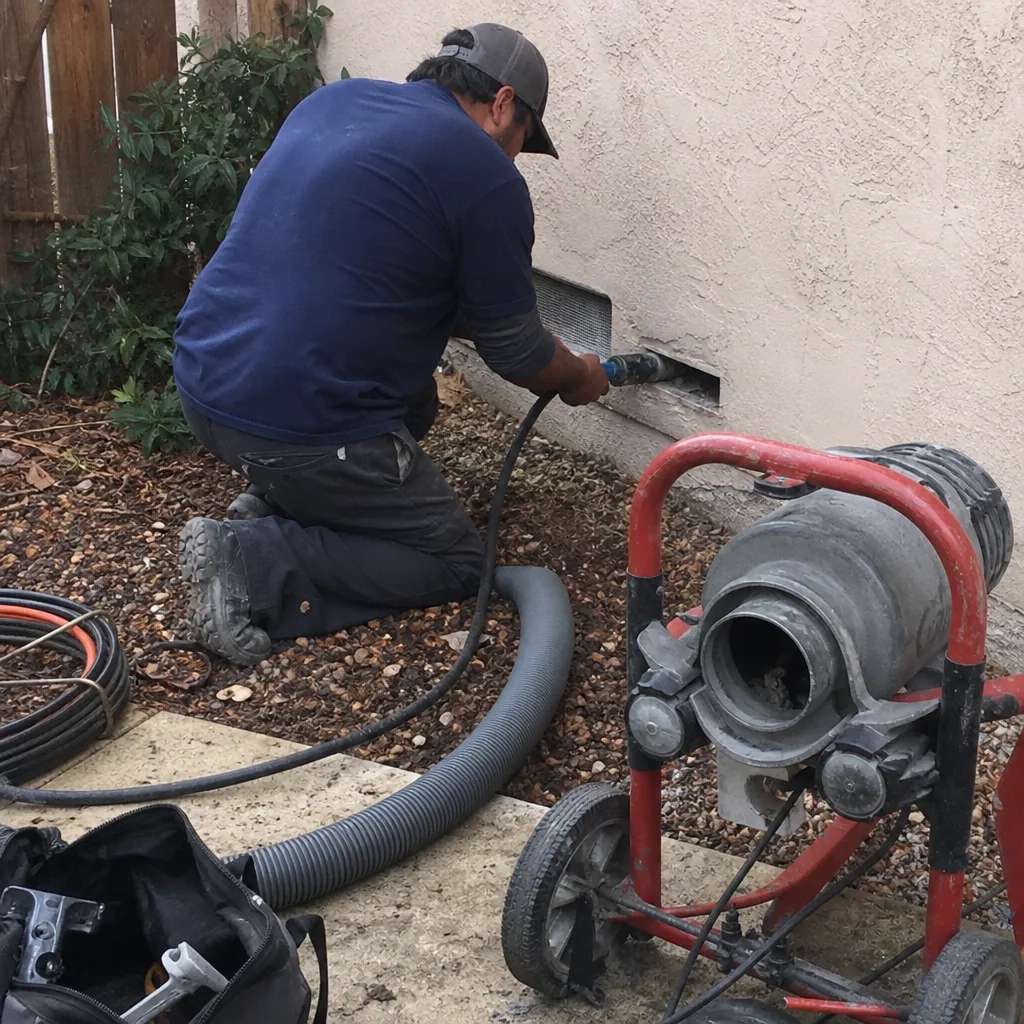 Before
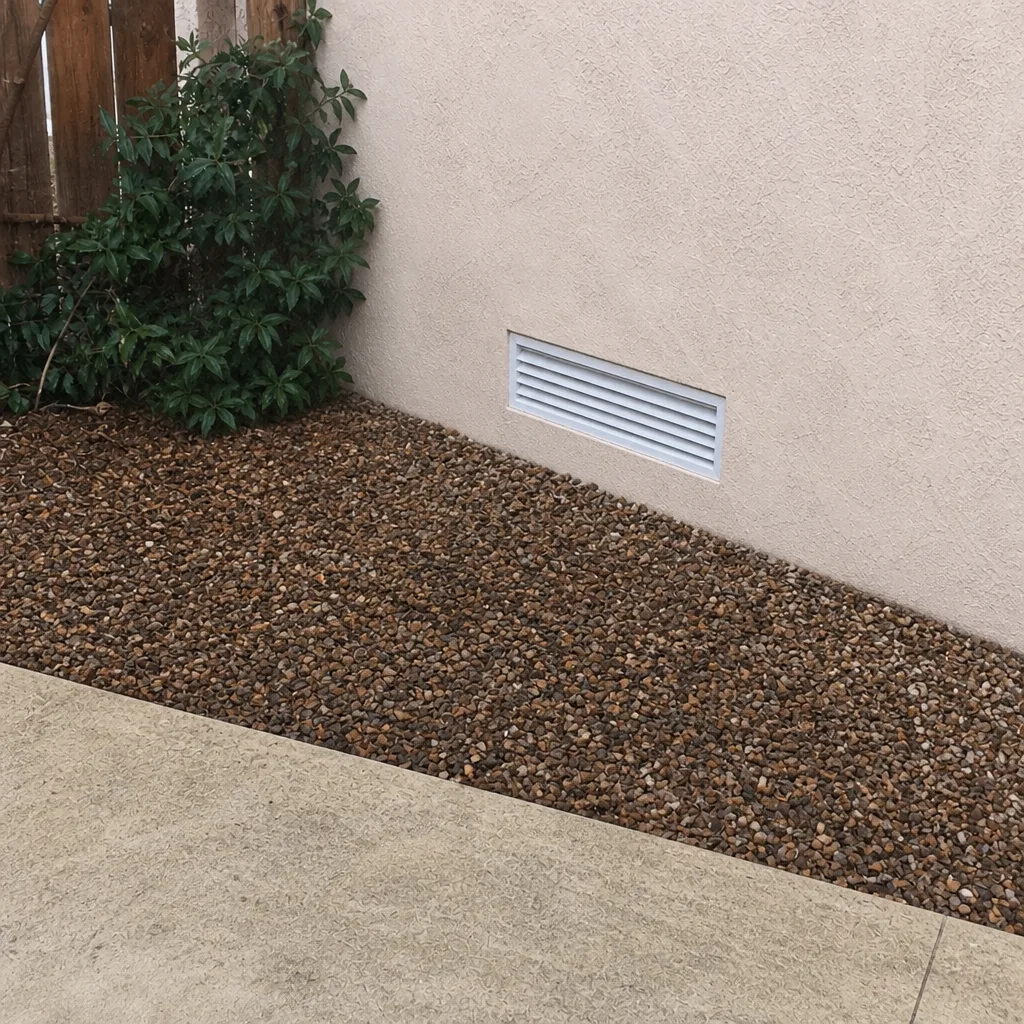 After