
Last updated November 15, 2026
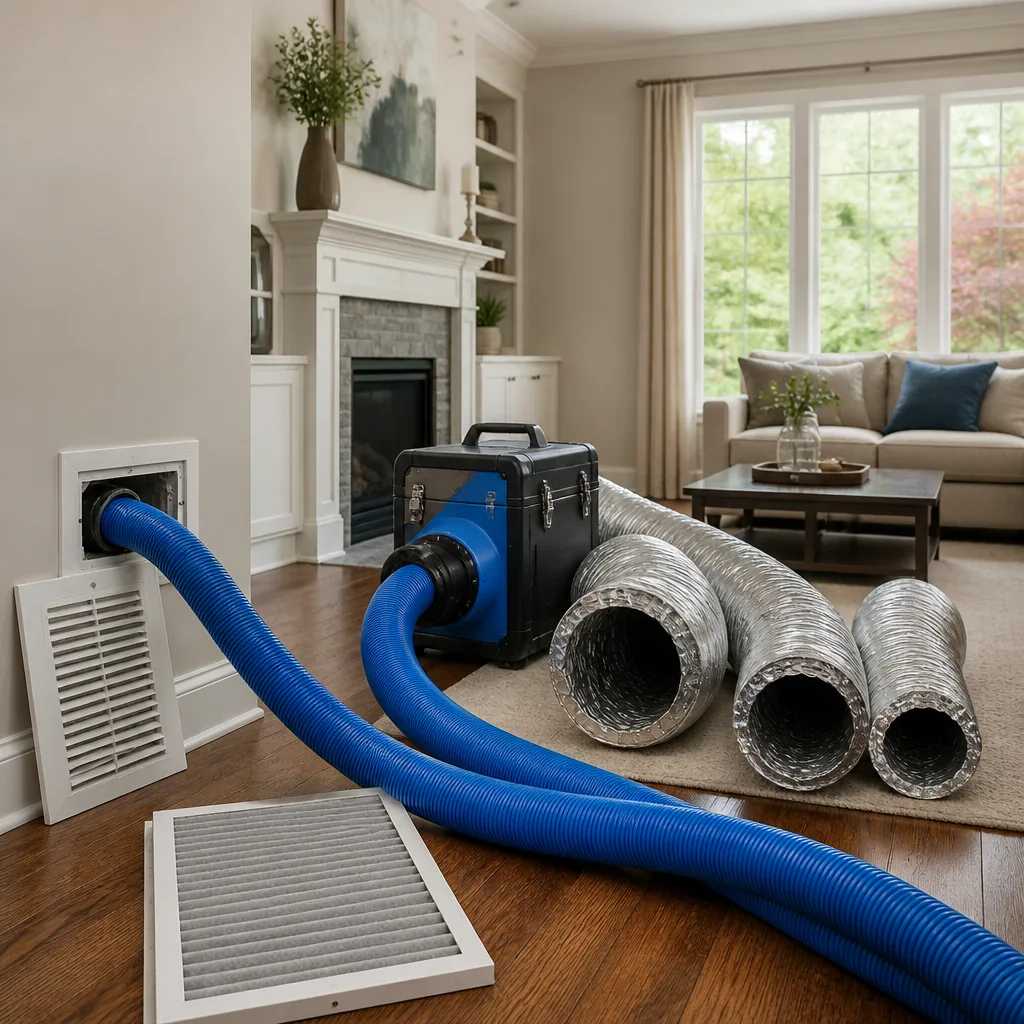 Whole-home duct cleaning
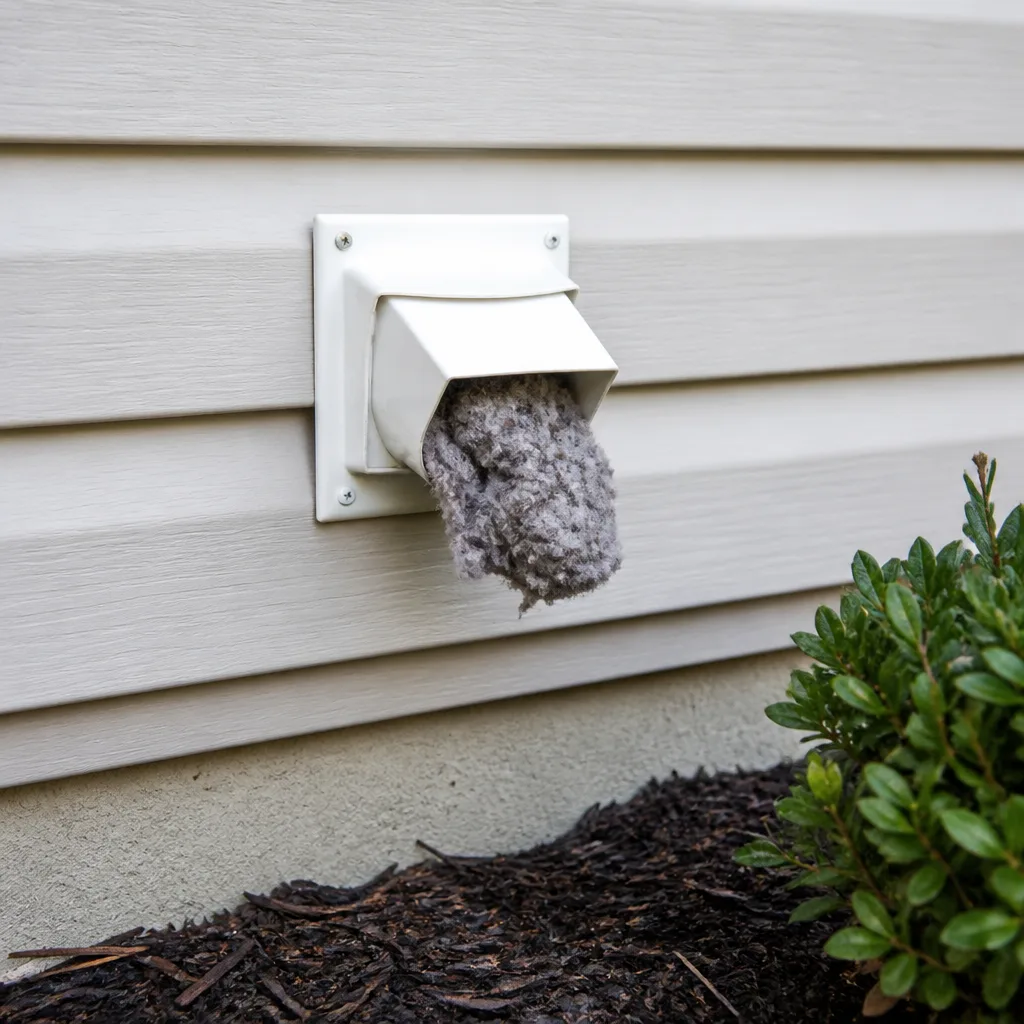 Dryer vent cleaning
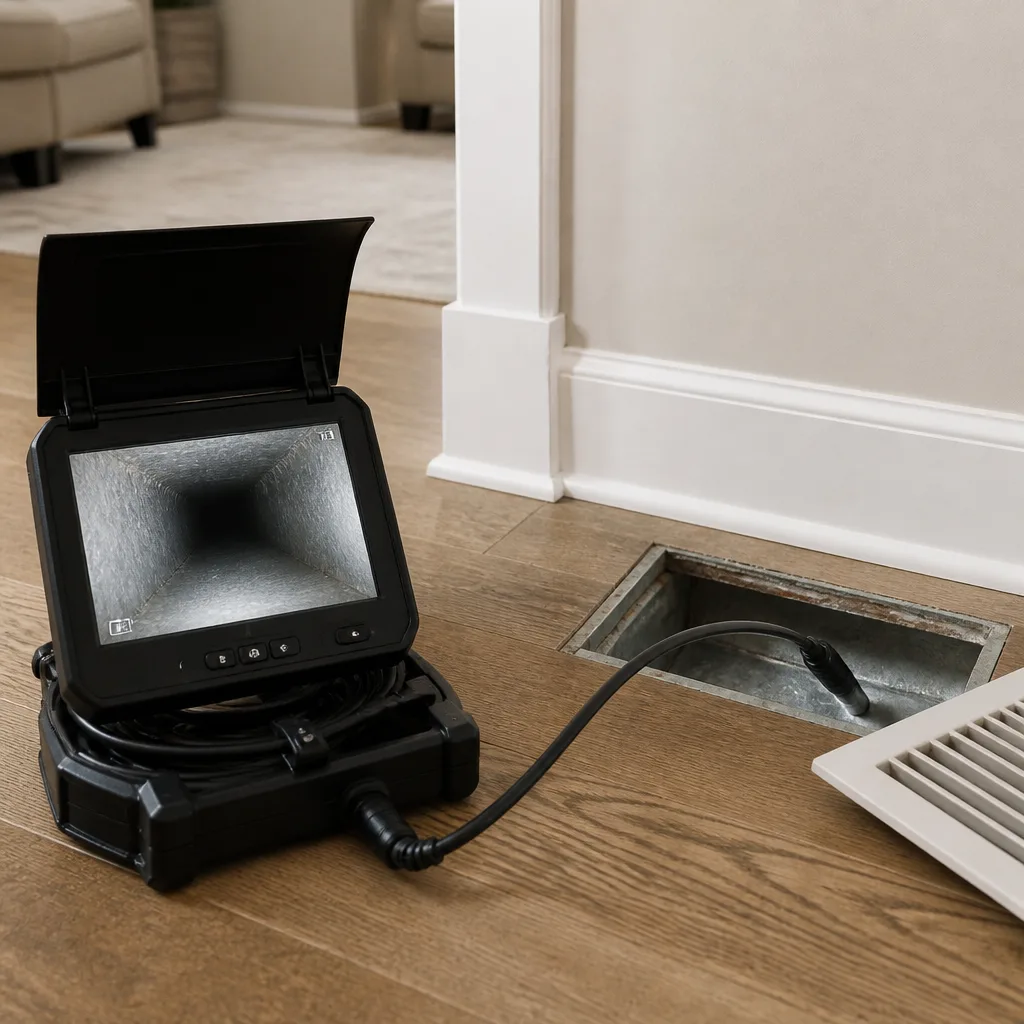 Camera inspection
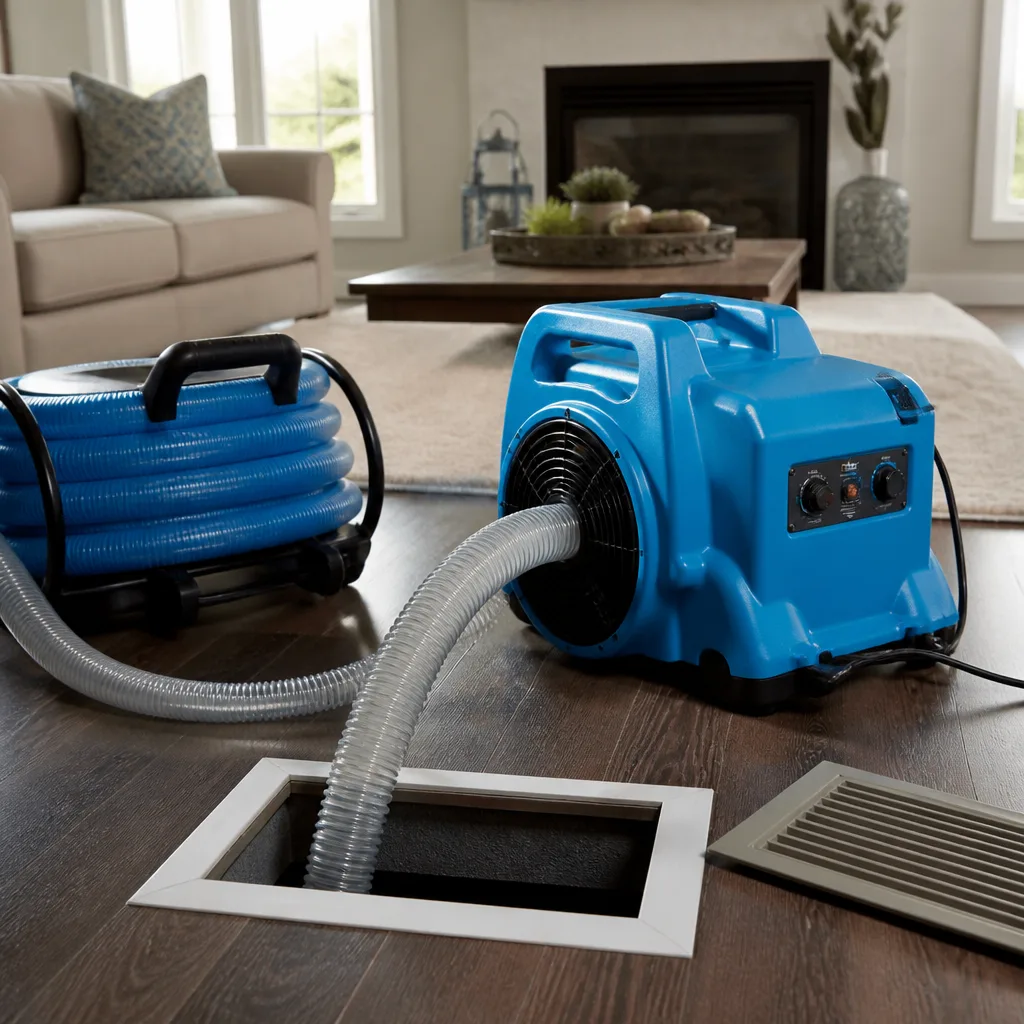 Sanitizing & deodorizing
Whole-system duct and dryer vent check with before-and-after photos - you see exactly what came out of your vents
That "$99 whole-house special" is a bait ad - the real number appears once they are in your hallway, or the "clean" is a shop-vac at the register. We photograph the inside of your ducts before and after instead.
Air Duct Cleaning Maintenance Schedule: What to Do and When
The most common answer to “how often should ducts be cleaned” is every three to five years. That number comes from averages, and averages hide the details that matter. Two houses on the same street can load a duct system at completely different rates depending on HVAC runtime, filter habits, renovation history, and how much outdoor particulate finds its way inside. Antioch sits at the edge of the San Joaquin Valley’s dust belt, where summer cooling runs long and Highway 4 traffic keeps fine particulate in the air, so a system here often works harder than the calendar suggests. What follows is a schedule built around your system’s real workload: what to check quarterly, what to service annually, what needs professional equipment every few years, and which events override the calendar entirely.
Quick Answer
In Antioch, most homes need professional duct cleaning every three to five years, but the calendar is only a baseline. Event-based triggers matter more: after a renovation, after rodent activity in the attic or crawlspace, after HVAC replacement, or after a wildfire smoke event. The single best real-time indicator is filter loading speed. If a quality filter is loading in under three weeks, the duct system is already compromised and should be assessed regardless of when it was last cleaned. Pair your duct inspection with dryer vent cleaning on the same schedule, since both systems share wall cavities and both fail in ways that are expensive to ignore.
Styles & brands we work with
- Whole-home duct cleaning
- Dryer vent cleaning
- Camera inspection
- Sanitizing & deodorizing
Table of Contents
- Why a Calendar Alone Is the Wrong Schedule
- What Makes Duct Contamination Different in Antioch
- Using Filter Loading Rate as a Real-Time Indicator
- The Tiered Maintenance Checklist: Quarterly, Annual, Every Few Years
- Event-Based Triggers That Override the Calendar
- Why Dryer Vent Cleaning Belongs on the Same Schedule
- What Professional Cleaning Actually Involves
- Cleaning Versus Repair: When the Ductwork Itself Is the Problem
Why a Calendar Alone Is the Wrong Schedule
Publishing “clean every three to five years” is easy, and it’s not wrong. It’s just incomplete. A duct system’s contamination rate depends on four things that vary house to house: how many hours the air handler runs, how well the return side is sealed, how often the filter is changed, and how much particulate is in the outdoor air feeding the system.
Consider two Antioch homes. One is a newer build near Lone Tree Way with a well-sealed return plenum and a homeowner who changes filters on schedule. The other is an older house closer to the Highway 4 corridor with a leaky return chase and a filter that gets forgotten. The second home might need attention twice as often as the first, even though both sit in the same ZIP code. Time-based advice treats them identically, and that’s the flaw.
A better model treats the schedule like vehicle maintenance. The manual gives you an interval, but you also watch the oil, listen for the engine, and adjust when conditions change. For ductwork, the equivalent signals are filter loading speed, visible dust at the registers, and changes in the system’s airflow or smell. Those signals are what tell you whether you’re ahead of or behind the calendar.
What Makes Duct Contamination Different in Antioch
Antioch has a few environmental factors that push duct systems harder than the state average. None of them is dramatic on its own, but together they shorten the interval between cleanings.
Summer HVAC runtime
Hot inland summers mean the air handler runs far more hours than in a coastal climate. Every hour of runtime moves air through the same ductwork, and every cubic foot of air carries whatever particulate made it past the filter. A system running 2,500 hours a season accumulates contamination faster than one running 1,200, and the schedule should reflect that difference.
Highway 4 traffic and Delta wind patterns
Antioch sits along a busy corridor, and prevailing Delta breezes move air through the region for much of the year. That combination means fine particulate is always present outdoors. It enters through open windows, door gaps, and any leak in the return duct chase. Homes near the corridor tend to see faster filter loading and faster dust accumulation inside the duct runs than homes set further back.
Older housing stock and attic duct runs
Many Antioch homes have ductwork running through unconditioned attic space, where heat, dust, and occasional pest activity take their toll on flex duct and connections. Attic runs are also where small leaks go unnoticed, pulling unfiltered attic air directly into the system. During a professional assessment, attic duct runs deserve particular attention.
Wildfire smoke season
California’s fire season now routinely pushes smoke into the valley, and smoke carries fine particulate that lands in filters and duct surfaces. A heavy smoke event is a legitimate reason to check your system, even if it’s been only a couple of years since the last cleaning.
Using Filter Loading Rate as a Real-Time Indicator
Filter loading rate is the most useful signal a homeowner can track without any equipment. The concept is simple: note the date you install a new filter, then note the date the filter looks loaded. The interval between those two dates tells you how fast your system is pulling particulate out of the air.
Here’s how to read it:
- Filter lasts more than three months: Your system is running clean. The three-to-five-year cleaning interval likely applies.
- Filter loads in one to three months: Elevated particulate load. Check for duct leaks, open returns, or nearby construction.
- Filter loads in under three weeks: The duct system is compromised. Either the return side is leaking and pulling unfiltered air, the filter is undersized for the blower, or there is a significant contamination source inside the ductwork. This warrants a professional assessment regardless of cleaning history.
Filter quality also matters. A minimum-efficiency filter catches less, so it loads more slowly but lets more through. A higher-MERV filter catches more and loads faster. Whichever you use, track the same filter grade consistently so the interval comparison is meaningful.
A word of caution on very high-MERV filters: filters above the blower’s design rating can restrict airflow and strain the system. If you want better filtration, the right move is often a whole-home media cabinet or a bypass filtration unit paired with the existing system, rather than a restrictive filter in the return grille. We work with Honeywell and Aprilaire product lines for this reason; a properly sized media filter handles fine particulate without starving the blower.
The Tiered Maintenance Checklist: Quarterly, Annual, Every Few Years
Here’s the practical schedule, broken into what you can do yourself and what needs a professional. This is where duct cleaning Antioch homeowners find the most useful structure: not one interval, but three tiers that work together.
Tier 1: Quarterly homeowner inspection (15 minutes)
- Check the filter. Note condition and replace or clean if loaded.
- Look at each supply and return register. Wipe the grille; then check whether dust returns within a few weeks.
- Listen at the registers with the system running. Uneven airflow or a whistling sound can indicate a duct leak or disconnected run.
- Smell the air near the returns. A musty or stale odor points to moisture or biological growth in the system.
- Look in the attic or crawlspace if accessible. Check for pest droppings, torn flex duct, or disconnected joints.
- Check the dryer vent exterior flap. It should move freely when the dryer runs, with no lint accumulation visible.
Tier 2: Annual service check
- Have the HVAC system serviced, including blower and evaporator coil inspection.
- Inspect accessible ductwork for disconnected joints, crushed runs, and torn flex.
- Check the return plenum and filter housing for gaps that pull unfiltered air.
- Clean or replace the dryer vent run if lint accumulation is present.
- Review filter grade and loading pattern from the past year to see if the interval is shortening.
Tier 3: Professional cleaning every few years (or earlier, per triggers)
Full duct cleaning with professional equipment, including source removal with mechanical agitation and HEPA extraction, is the only tier that requires a trained technician. The interval depends on your filter loading history and any events that have occurred since the last cleaning. For most Antioch homes, three to five years is reasonable, with adjustments downward for higher-dust environments.
Event-Based Triggers That Override the Calendar
The calendar gives way to events. If any of the following happen, schedule an assessment regardless of when the system was last cleaned.
- Post-renovation: Drywall dust, sawdust, and construction debris settle into ductwork and are very hard to remove without proper extraction. Renovation dust that reaches the duct system can circulate for months.
- Post-rodent activity: Rodent droppings and nesting material in ductwork or attic runs are a contamination issue that should be handled with containment-level filtration. This is not a job for a shop vac and a mask.
- After HVAC replacement: A new system installed on contaminated ductwork will redistribute existing debris. Cleaning before or immediately after replacement protects the new equipment.
- After a wildfire smoke event: Fine smoke particulate settles into filters and duct surfaces. A heavy local smoke season is a valid reason to check your system earlier than planned.
- After a water intrusion or roof leak: Moisture in ductwork can support biological growth. Any water event that touches attic or ceiling space should prompt a duct inspection.
- After moving into a new home: You don’t know the previous owners’ cleaning history. An assessment is a reasonable part of move-in maintenance, especially in older Antioch homes.
Event triggers are also the reason a strict calendar fails. A house that is due for cleaning in three years but underwent a full kitchen remodel last spring needs a professional assessment now, not on the calendar date.
Why Dryer Vent Cleaning Belongs on the Same Schedule
Dryer vents and air ducts aren’t the same system, but they share wall cavities in most homes and fail in adjacent ways. A dryer vent that’s never been cleared accumulates lint against the exterior damper and along the interior run. That lint is fuel. It’s the reason dryer vent cleaning deserves a dedicated place on the maintenance schedule, not a mention tacked onto a duct job.
Schedule dryer vent cleaning on the same cadence as your annual duct inspection. If you have a dryer that runs multiple loads a week, or a vent run that’s long, has multiple elbows, or exits through the roof, the interval should be shorter. The risk profile isn’t only about airflow; lint accumulation in a confined space next to a heat source is the classic fire scenario, and it’s completely preventable with routine clearing.
When we perform dryer vent cleaning, the goal is a full-length clearing of the run, not just the part visible at the wall plate. Rodent nests, crushed semi-rigid sections, and lint packed against the terminal damper are all common findings, and all reduce the vent’s ability to move air safely. Checking it once a year keeps it from becoming a problem you only discover when the dryer starts taking two cycles to dry a load.
What Professional Cleaning Actually Involves
Professional duct cleaning isn’t a single pass with a vacuum. It’s a layered process, and the equipment used at each stage matters. A few key points:
- Source removal first: Debris has to be dislodged from duct surfaces before it can be extracted. Rotobrush brush agitation is used to loosen material from the walls of the runs, including the sections that a simple vacuum can’t reach.
- High-efficiency extraction: Once loosened, debris is pulled out with Nikro HEPA extraction. This is the same class of equipment used in commercial and remediation work, not a consumer-grade shop vac.
- Containment during the job: Abatement Technologies negative-air filtration keeps particulate from escaping into the living space, which matters especially when there’s biological material or construction dust present.
- Before-and-after visibility: The system is inspected before and after, and we document the difference with photos. If a company won’t show you what came out of your ducts, that’s a signal.
- One flat price per system: A professional-grade quote is per system, not per vent. Per-vent pricing creates an incentive to count vents rather than clean them properly.
Professional-grade equipment is the dividing line between a real cleaning and a surface sweep. Whether the job is a ranch home in Antioch or a light commercial property, the process should start with brush agitation and end with HEPA extraction. That’s the sequence that actually removes contamination rather than just stirring it up.
Cleaning Versus Repair: When the Ductwork Itself Is the Problem
Sometimes cleaning isn’t the answer. If the ductwork has disconnected joints, crushed flex runs, torn insulation, or poorly sealed takesoffs, a cleaning won’t fix the underlying issue. The system will re-contaminate faster than it should, and the airflow problems will persist.
This is where repair comes in. Most duct cleaners stop at cleaning; the honest approach is to assess the ductwork as a system and repair what’s broken. Disconnected runs in attic spaces, crushed ducts behind drywall, and leaky return plenums are all common findings in older Antioch homes, and they’re the reason some systems need attention more often than the calendar would suggest. A proper assessment can tell you whether you’re looking at a cleaning job, a repair job, or both.
If your filter loading rate is short, that’s often the clue. A system that’s pulling unfiltered attic air through a disconnected joint will load a filter faster than one that’s sealed properly. When you call, we can assess whether the fix is cleaning, repair, or a combination. Our technicians have up to 8 years of experience working with ductwork as a complete system, and we’re authorized to work with Guardsman duct sealing and repair products where sealing is needed.
Common Mistakes to Avoid
- Relying only on a calendar. Three-to-five years is a baseline, not a rule. If your filter is loading in three weeks, the calendar is irrelevant and the system needs a professional look now.
- Ignoring dryer vent maintenance. Homeowners often schedule duct cleaning but skip the dryer vent, even though the two systems share wall cavities and the vent has a fire risk the ducts don’t. Put both on the same annual check.
- Assuming a cheap quote is a bargain. Quotes built around per-vent counts encourage speed over thoroughness. Look for per-system pricing and documented before-and-after results.
- Changing filters too rarely, or too restrictively. Both ends of the spectrum cause problems. A filter you forgot to change stops protecting the system; a filter rated above the blower’s design can restrict airflow. Track your filter and pick a grade that fits the system.
- Skipping the assessment after a renovation. Drywall dust is fine, adhesive-heavy, and hard to remove. Cleaning immediately after a remodel prevents months of recirculation.
- Ignoring visible dust at the registers. Dust returning to the grilles within a couple of weeks of wiping is a sign that the system has a contamination source, not a housekeeping problem.
- Letting a company scare you into more than you need. A thorough inspection should tell you what the system actually needs. If the technician can’t explain why a service is recommended and show evidence, push back.
See the difference
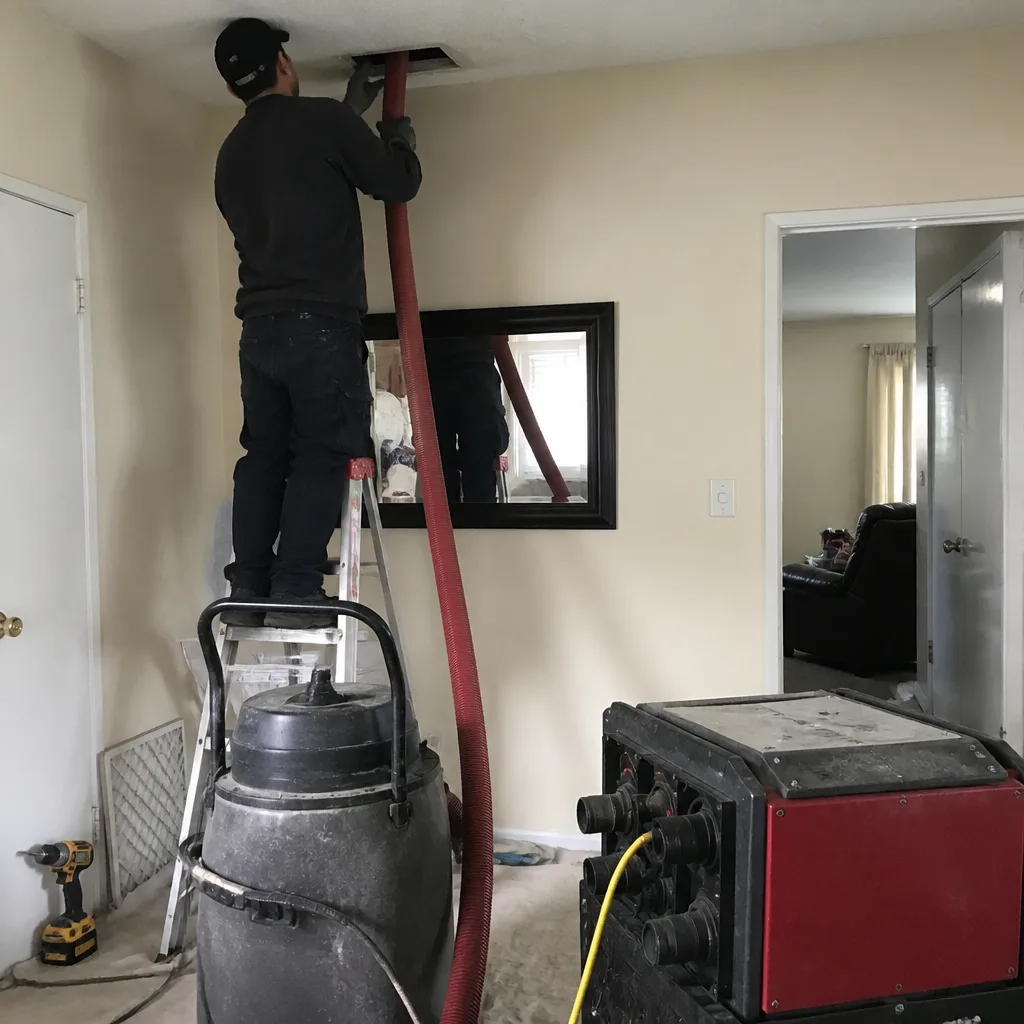 Before
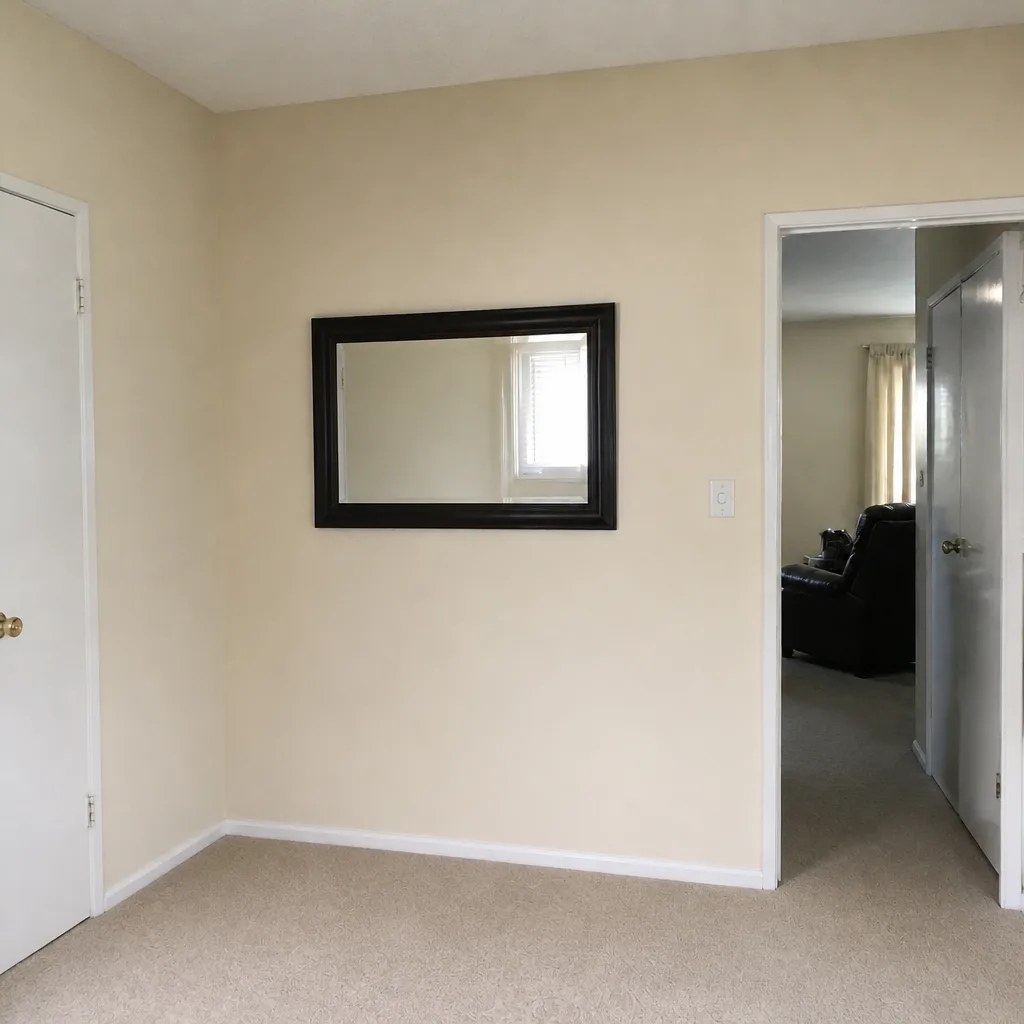 After
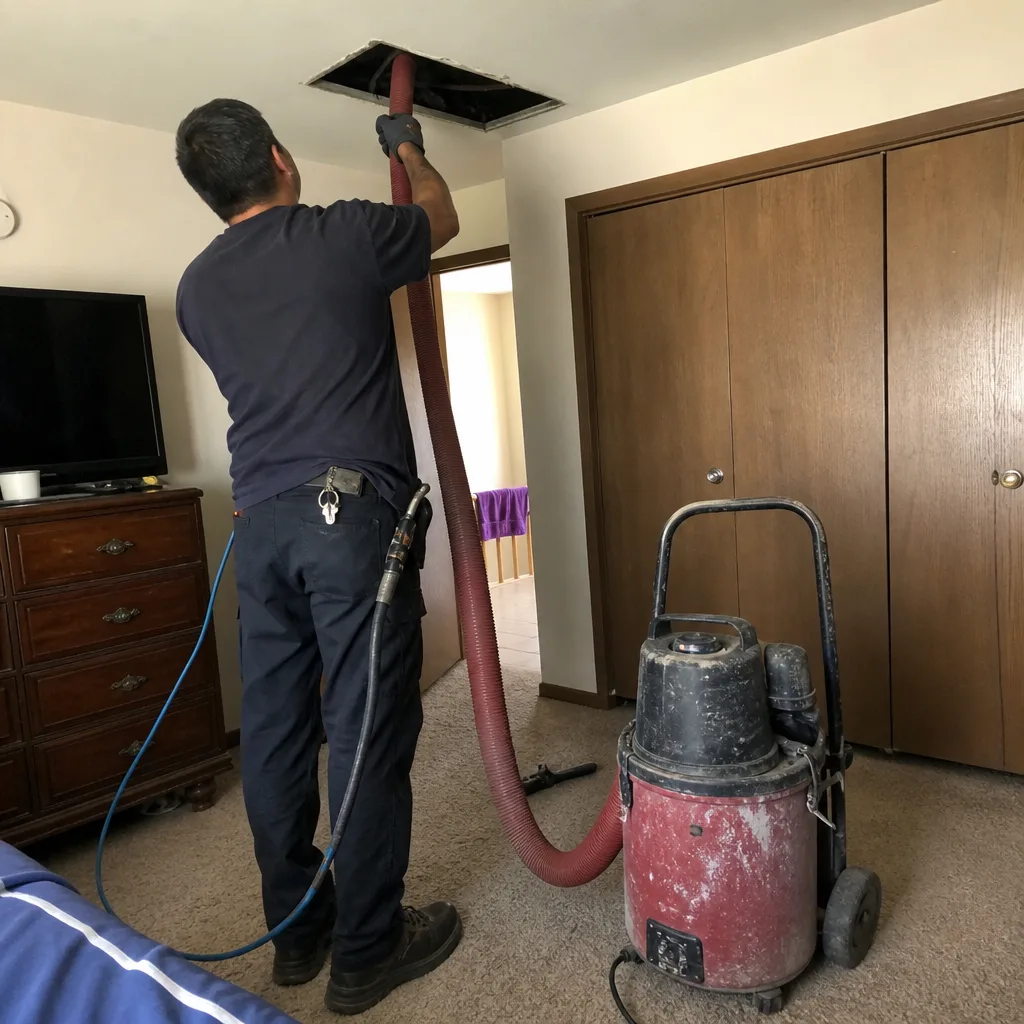 Before
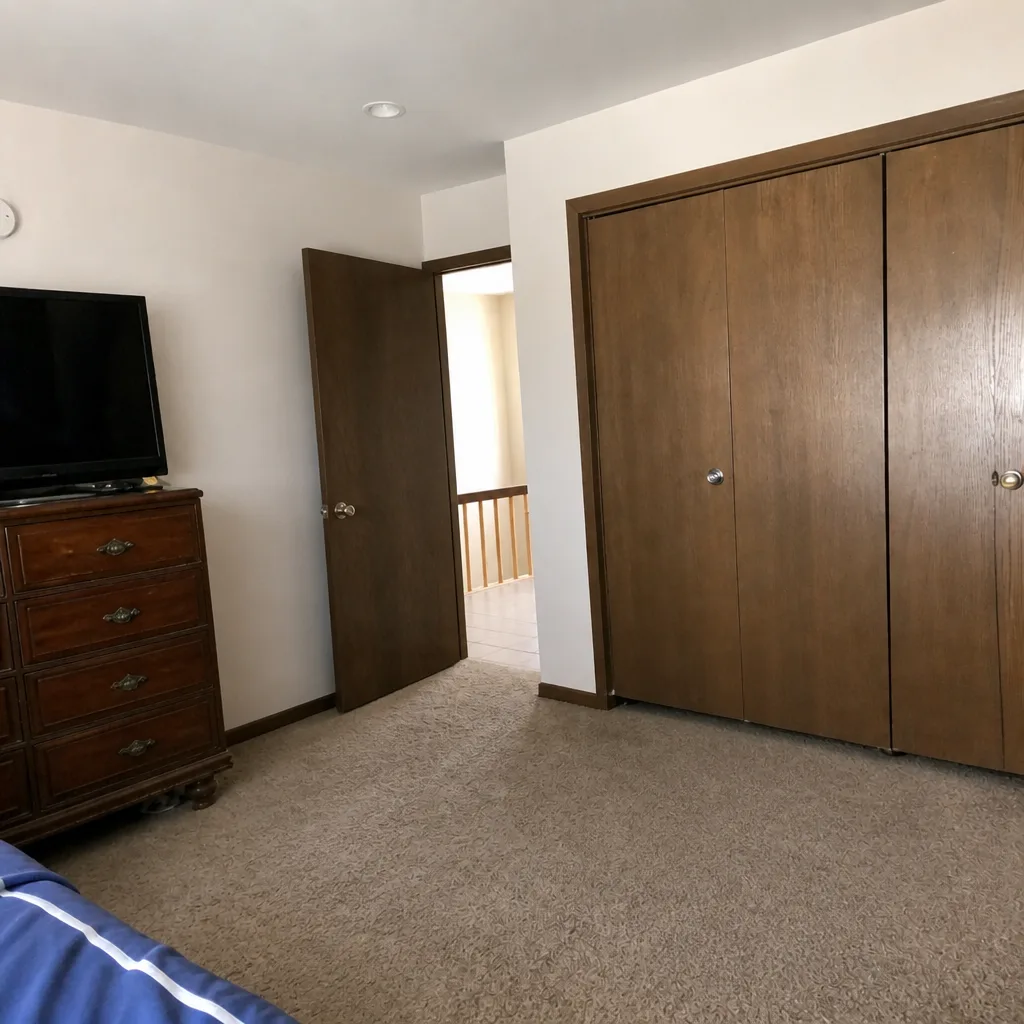 After
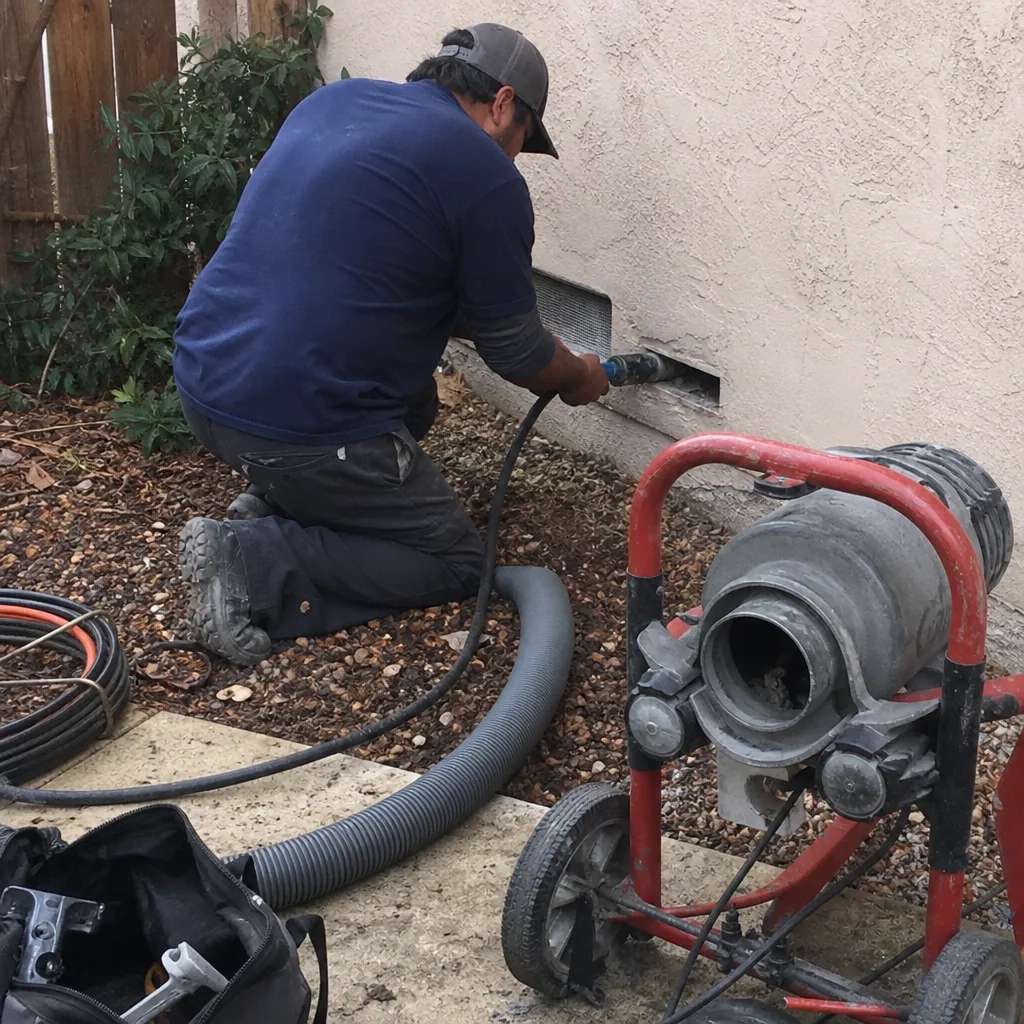 Before
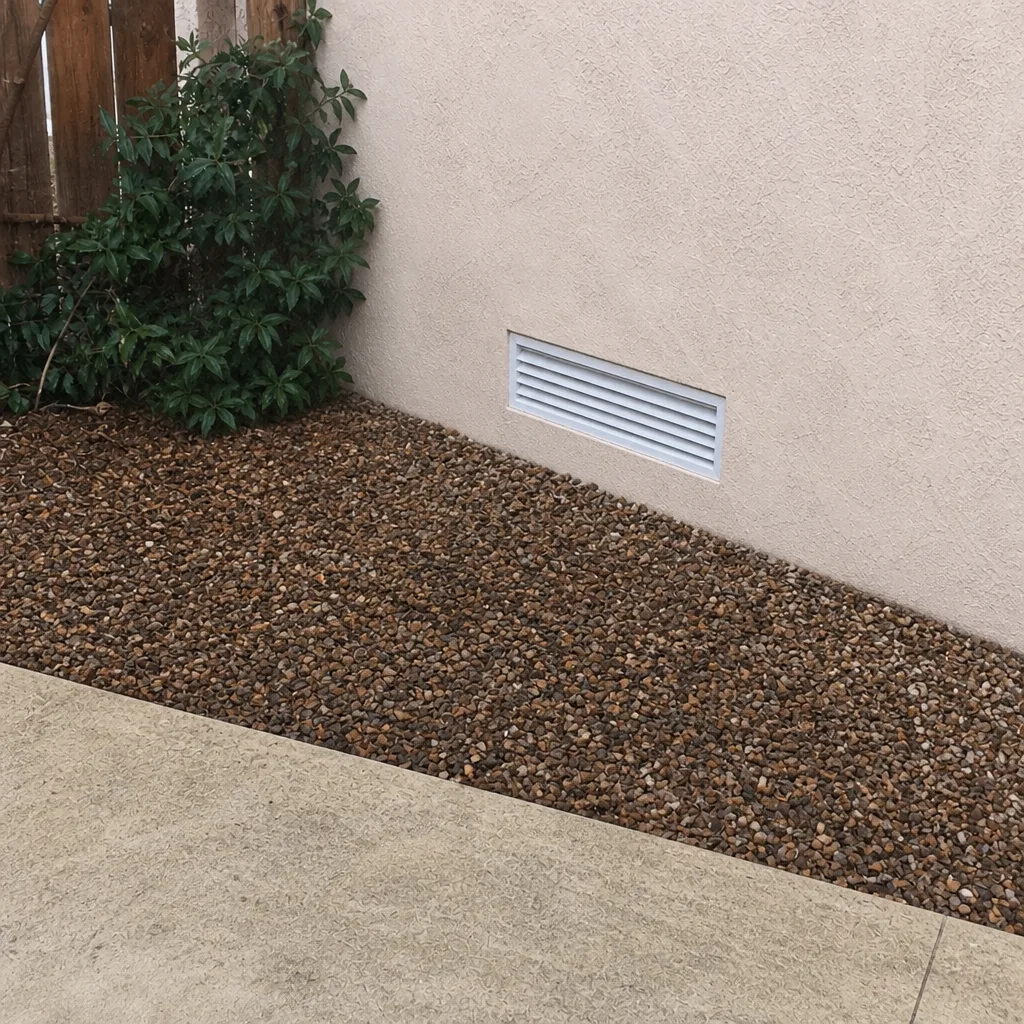 After
When to Call a Professional
Call for professional assessment if your filter loads in under three weeks, if you’ve had a renovation or rodent activity in the attic, if your HVAC system was recently replaced, or if you notice musty odors or uneven airflow at the registers. Also call if it’s been more than five years since the last professional cleaning, or if you’ve never had the dryer vent cleared and the dryer is taking longer to dry loads. These aren’t just mild annoyances; they’re signs the system has moved past the point where homeowner maintenance will help.
Duct Cleaning Antioch offers free estimates in Antioch. Call (877) 212-3243. We answer 24/7. Fast dispatch from 7am to 7pm, Sunday through Friday. Every job is quoted as one flat price per system agreed before work starts, with before-and-after photos of your own ducts so you can see what changed.
Frequently Asked Questions
Most Antioch homes need professional cleaning every three to five years, but the interval should be adjusted based on filter loading rate, HVAC runtime, and any event triggers such as renovations or wildfire smoke exposure. If your filter loads in under three weeks, that’s a sign the duct system is compromised and needs assessment regardless of the calendar. For an exact schedule recommendation, call (877) 212-3243 for a free estimate.
Cleaning removes accumulated debris from inside the ductwork; repair addresses structural problems such as disconnected joints, crushed flex runs, or torn insulation. Cleaning a damaged system without repair leaves the underlying leak, which causes rapid re-contamination. We assess which service the system needs and can handle both, unlike most duct cleaners that stop at cleaning.
A filter loading in under three weeks usually means unfiltered air is entering the system through a leak in the return duct or plenum, or the filter is undersized for the blower. It can also indicate a contamination source inside the ductwork, like construction dust or pest debris. This combination warrants a professional assessment. Call (877) 212-3243 to schedule one, and we’ll identify the cause and quote a flat price for any work needed.
Cleaning removes accumulated dust, dander, and biological material from the duct system, which reduces the particulate recirculated through the home. For allergy-sensitive homeowners, the larger benefit often comes from pairing cleaning with proper filtration. We work with Honeywell and Aprilaire product lines to recommend a filtration upgrade sized for your system, and we can discuss that during the assessment. Call (877) 212-3243 for an estimate.
Documentation is key: we take before-and-after photos of the ductwork, and we can show you what came out of the system. A legitimate cleaning also uses professional-grade equipment that produces visible results, not a surface sweep with a shop vac. If a company won’t document the work, that should be a warning sign. Call (877) 212-3243 to see how we document each job.
Short-term, yes, but we don’t recommend extending beyond five years without an assessment, especially in higher-dust areas or homes near Highway 4 and Delta wind corridors. Contamination often progresses without visible symptoms until airflow or air quality noticeably degrades. A free estimate is the lowest-risk way to find out whether the system needs attention.
The Bottom Line
Schedule duct cleaning around your system’s real workload, not a generic calendar. Track filter loading rate, watch for event triggers, and pair dryer vent cleaning with your annual duct check. In Antioch, where Highway 4 traffic, Delta winds, and long summer HVAC runtime all push contamination faster than the state average, the three-to-five-year interval is a starting point, not a rule. The right schedule follows the evidence: filter loading, visible dust, airflow, and odor. And when the system needs attention, a professional-grade cleaning with brush agitation and HEPA extraction is the only way to actually remove the debris. Call (877) 212-3243 for a free estimate. We answer 24/7. Fast dispatch from 7am to 7pm, Sunday through Friday.
Written by the team at Duct Cleaning Antioch.