
Last updated November 15, 2026
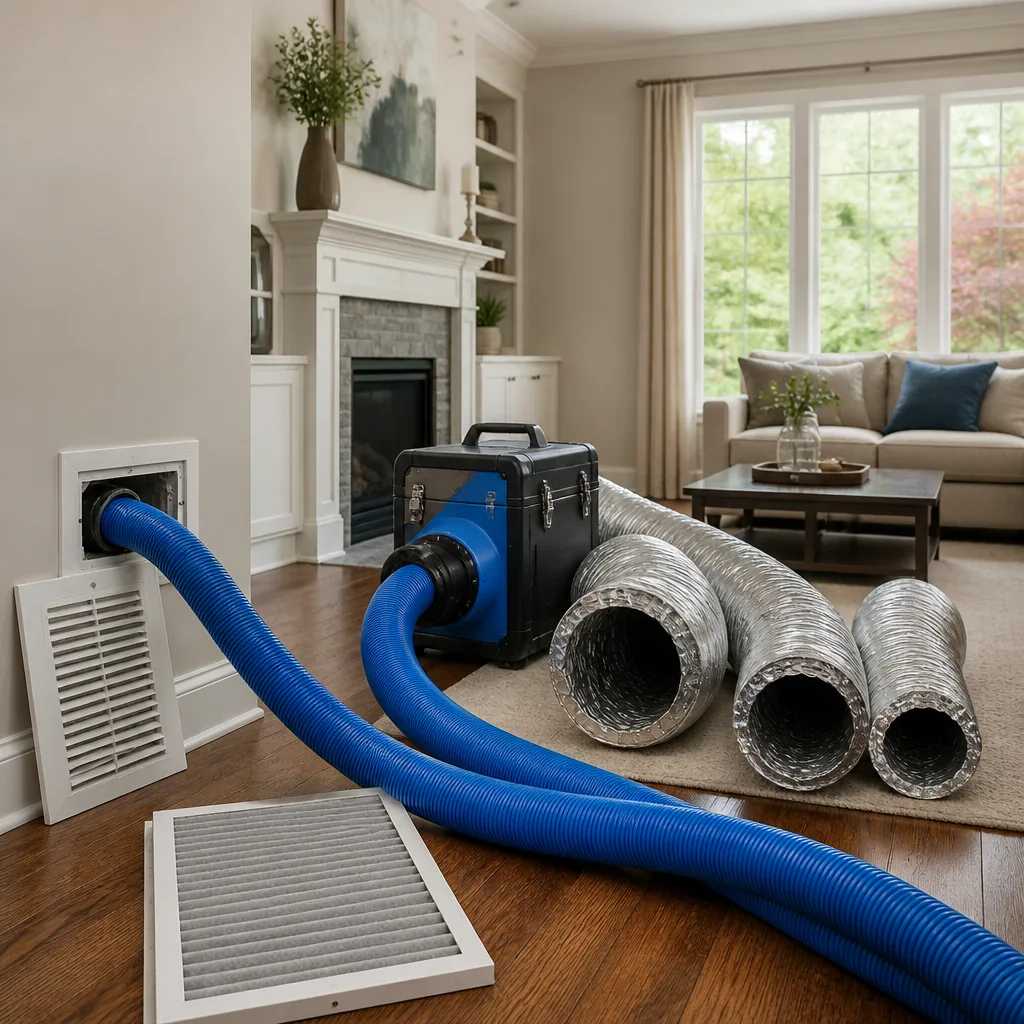 Whole-home duct cleaning
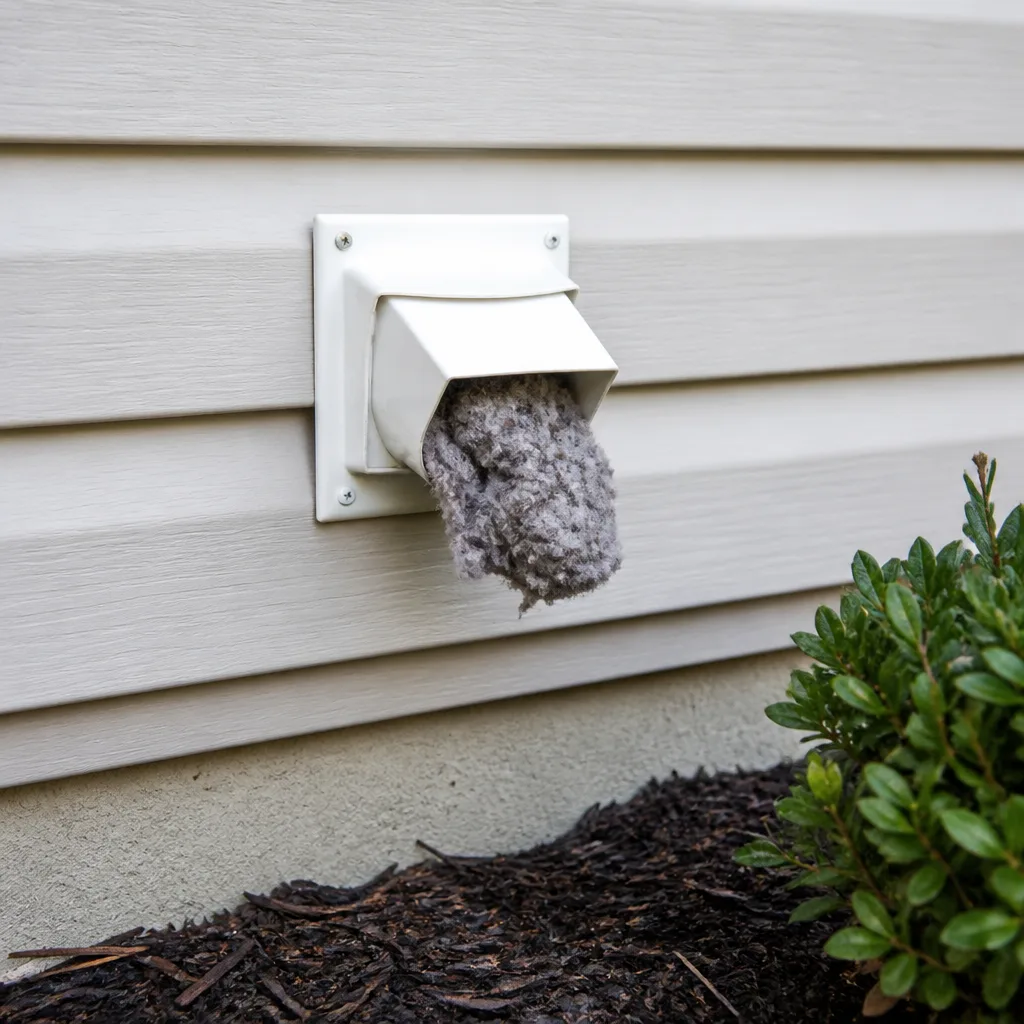 Dryer vent cleaning
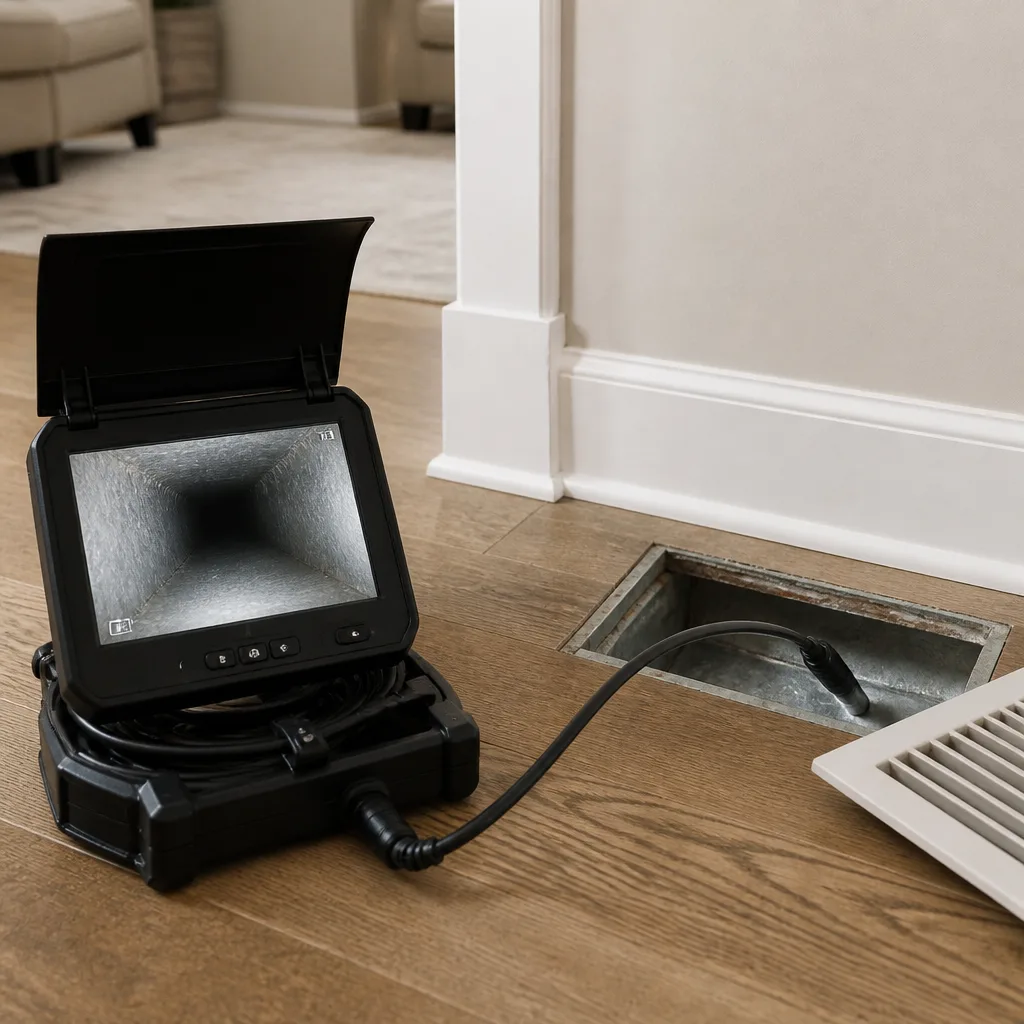 Camera inspection
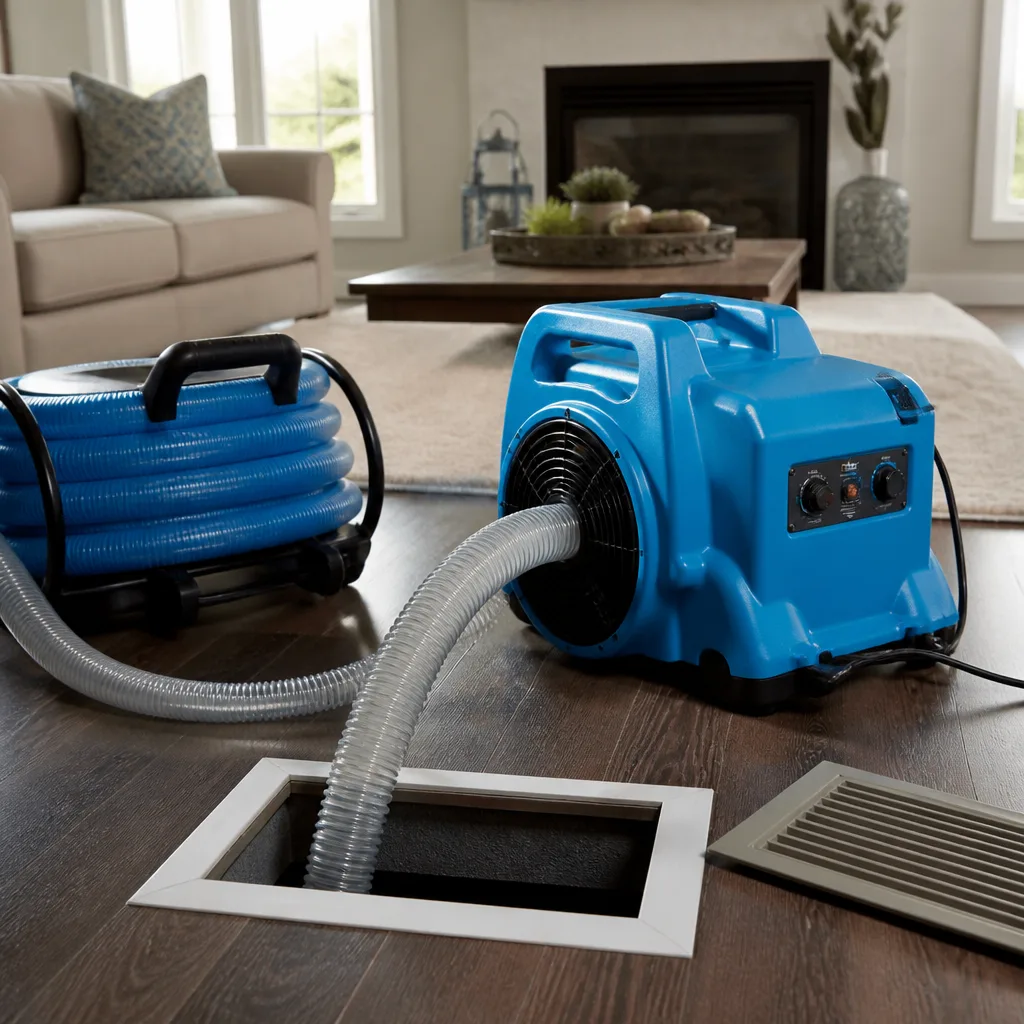 Sanitizing & deodorizing
Whole-system duct and dryer vent check with before-and-after photos - you see exactly what came out of your vents
That "$99 whole-house special" is a bait ad - the real number appears once they are in your hallway, or the "clean" is a shop-vac at the register. We photograph the inside of your ducts before and after instead.
Air Duct Cleaning Troubleshooting in Antioch: Common Problems and How to Fix Them
If one room in your house is always hot in summer and cold in winter, your HVAC unit is probably fine. Your ductwork is lying to it. The furnace cycles on, the condenser runs, the filter gets changed every season, and still the back bedroom never quite catches up with the thermostat. Most homeowners in Antioch start by blaming the equipment, then spend money on a tune-up that changes nothing. The real fault is usually mechanical and hidden: a duct run that has come apart at a joint, a flex line pinched flat behind drywall, a branch collar that’s clogged solid, or a trunk that’s quietly pulling attic air instead of conditioned air. None of that shows up on a thermostat display. This guide walks you through how to read the symptoms yourself, narrow down which part of the system is actually failing, and know the point where the fix needs professional-grade equipment rather than another filter.
Quick Answer
Most airflow and air-quality problems in Antioch homes trace back to the duct system, not the HVAC equipment. You can identify the likely culprit yourself by testing registers, checking for pressure changes when doors close, and tracing smells to their source. Cleaning and minor fixes are often within reach; collapsed flex duct, breached trunk lines, and contaminated systems need negative-pressure containment equipment and professional repair.
Styles & brands we work with
- Whole-home duct cleaning
- Dryer vent cleaning
- Camera inspection
- Sanitizing & deodorizing
Table of Contents
- Why Is One Room Always Hot or Cold? Reading Airflow Symptoms
- The Tissue-Paper Test: Duct Restriction vs. Blower Motor Failure
- What Does a Musty Smell After the System Kicks On Actually Mean?
- Diagnosing a Collapsed Flex Duct Section
- Is Your Duct Pulling Attic or Crawlspace Air Into the House?
- What You Can Fix Yourself and What Needs Professional Equipment
- The Vent Most Homeowners Forget: Dryer Duct as a Fire Risk
- Keeping the System Clean After the Fix
Why Is One Room Always Hot or Cold? Reading Airflow Symptoms
Uneven temperatures are the most common duct complaint in Antioch homes, and the pattern of the unevenness tells you where to look. A single problem room usually means a problem branch run. Whole-house weak airflow points to the air handler, a crushed trunk, or a restricted main. Two rooms on opposite sides of the house behaving differently suggests a damper issue or an imbalance in the system’s design.
In Antioch, the summer heat load is long and heavy. A duct system that was marginal in a cooler climate becomes visibly inadequate when the outdoor temperature sits in the triple digits for weeks. Runs that pass through an unconditioned attic lose cold air before it reaches the register, and a house that feels “90 percent fine” in spring can feel significantly worse by August. That’s not necessarily equipment failure; it’s a system that was never tuned for the local climate.
Reading the pattern
- One room weak, others fine: a branch run problem – crushed flex, blocked register, closed damper collar.
- All upstairs registers weak, downstairs fine: a system design or damper balance problem, common in two-story Antioch homes.
- Weak airflow everywhere, cold air at the supply plenum feels strong: a trunk restriction between the air handler and the takeoff.
- Strong airflow but the room still doesn’t cool: a duct breach or insulation failure letting the cold air leak out or heat in before it arrives.
- Airflow improves when interior doors are open: a return air problem, often a single central return starving the system.
Write down what you observe before you call anyone. A specific description is worth more than a vague complaint, and it helps a qualified technician skip the guesswork on arrival.
The Tissue-Paper Test: Duct Restriction vs. Blower Motor Failure
You can separate most duct restrictions from blower motor problems in about ten minutes with a single sheet of tissue paper. Turn the thermostat to fan-only so the blower runs without heating or cooling. Then hold the tissue near each supply register in turn. The strength of suction and flutter tells you whether the blower is producing pressure and where that pressure is going.
- Set the thermostat to fan-only and let the blower run for two minutes to reach steady flow.
- Take a thin sheet of tissue and hold it an inch from the face of the first supply register.
- Note how strongly the tissue is pushed away, and how consistent the flutter is.
- Repeat at every supply register in the house and note each result.
- Hold the tissue at the return grille and confirm strong inward pull.
If most registers show strong, even flow and only one or two are weak, the blower is fine and the problem is downstream: a branch restriction. If every register shows weak flow but the return grille pulls hard, the blower is delivering pressure and the supply side is bottlenecked. If the return grille barely pulls at all, suspect the blower itself, a blocked filter, or a collapsed return duct.
What you’re looking for is the mismatch. A weak supply register next to a strong return tells you the restriction is on the supply side. A strong blower with weak registers at the far end of the house usually points to a crushed run that gets worse the longer it is. In Antioch, that long back-bedroom run through the attic is the first place to look, because it’s also the run most exposed to heat.
What Does a Musty Smell After the System Kicks On Actually Mean?
A musty smell that appears in the first few seconds after the system kicks on is almost always coming from the ductwork or the air handler itself, not from outside. The smell arrives on the leading edge of the air, which means it’s picked up in transit. When the blower is off, the ducts and drain pan sit at near-ambient temperature and humidity. When the blower starts, air moves over surfaces that may have held moisture, and whatever is growing there announces itself.
The key question is whether the smell is coming from the air handler or from the ducts. You can narrow it down with a few targeted observations:
- Smell only in rooms served by one branch, not in others: a localized duct problem on that run.
- Smell in every room at once: a system-wide issue, often the air handler or the main trunk.
- Smell strongest for a few seconds, then fades: typical of air passing over a contaminated surface at startup.
- Smell worse in humid weather: likely condensation in the ducts or on the evaporator coil.
- Smell with a wet, slapping sound or visible water near the air handler: a clogged condensate drain pan, not the ducts.
In Antioch’s dry summers, humidity-driven duct contamination is less common than in coastal areas, but the condensate drain pan and coil area remain a real source. If the smell comes back within minutes of every startup and stays constant across the cycle, the ductwork interior is the more likely location. Duct interiors in this climate can accumulate dust and organic material that grows slowly and hold the smell even in dry conditions. The only reliable way to confirm is to look inside the ductwork with a camera.
Diagnosing a Collapsed Flex Duct Section
A collapsed flex duct is the most common hidden cause of a single weak room, and it’s also the hardest to spot because the duct looks fine from the outside. Flex duct is a wire helix wrapped in foil or plastic, and once the inner liner is pinched, kinked, or crushed against a joist, the outer jacket still holds its shape. The run appears intact. No dust comes out. Nothing looks broken. But the inside has closed like a pinched straw.
The symptoms of a collapsed flex duct are specific:
- The affected room never reaches temperature and stays wrong no matter how long the system runs.
- Airflow at that room’s register is weak but not zero, and it doesn’t improve when you open a damper.
- You can hear air movement in the wall or ceiling cavity, and it’s louder than normal.
- The system pressure changes audibly when you close that room’s door, especially if unsealed.
- The run is long, bends sharply, or crosses a tight space under a joist or across a truss.
Flex duct shortcuts are common in attic installations. When a run is pulled around a sharp corner or laid across an unexpected obstruction, the inner liner folds over and stays folded. In Antioch attics, summer heat accelerates the aging of flex duct jackets and the liner can sag or flatten over time. You can sometimes inspect a suspect run by looking through the attic access, but restoring flow means replacing the section rather than trying to unkink it. This is one of the repair cases where cleaning and repair are the same job: the damaged section needs to come out and be replaced properly, then tested. Duct Cleaning Antioch offers duct cleaning and repair as a combined service specifically for situations like this.
Is Your Duct Pulling Attic or Crawlspace Air Into the House?
In Antioch, a duct breach in an attic or crawlspace is a bigger problem than it looks, because the air outside the duct is not neutral. Attic air in summer can be significantly hotter than outdoor air, and crawlspace air in any season carries dust, insulation fibers, and whatever is growing on the soil or vapor barrier. When a return duct pulls from that environment, the system quietly distributes it through every room.
You can spot the signs even if you can’t see the breach directly:
- Unexplained dust on registers and return grilles that reappears quickly after cleaning.
- A hot, dry smell at the registers in summer, distinct from a normal cool air smell.
- Air leaks at duct joints you can feel by hand with the blower running.
- Higher than expected dust on horizontal surfaces near supply registers.
- A drop in cooling efficiency that isn’t explained by equipment performance.
A breach on the return side is worse than on the supply side. A leaky return drops system pressure and pulls unfiltered air from the attic or crawlspace directly into the blower, bypassing the filter entirely. A leaky supply wastes cool air into the attic but at least the filter is still doing its job. In a hot Antioch attic, a breached return line can undermine the whole cooling season.
Confirming a breach usually means pressure testing the system, which is a professional job. Visual inspection from the attic can find joint separation and disconnected collars, but small pinholes and crack lines in the metal trunk need a pressure test to confirm. If you suspect a breach, don’t wait: every season of running the system with a breach puts more attic air into the living space.
What You Can Fix Yourself and What Needs Professional Equipment
Some duct problems are within reach of a careful homeowner, and some are not. The dividing line is contamination and containment: any job where dust, mold, or debris could be released into the living space needs professional extraction equipment. Anything you can see and reach with the system off is worth a look.
Reasonable to handle yourself
- Cleaning the surface of supply and return register grilles with a vacuum and damp cloth.
- Checking that every supply register and return grille is fully open and unobstructed by furniture or rugs.
- Confirming the filter is clean and correctly seated, and replacing it on schedule.
- Adjusting accessible manual dampers at branch takeoffs, if you can identify them and the system is off.
- Sealing obvious gaps in accessible metal duct with approved duct mastic or foil tape.
Needs professional equipment
- Interior cleaning of duct runs, which requires brush agitation and HEPA vacuum extraction under negative pressure.
- Replacing a collapsed or kinked flex duct section, since the runs are usually concealed.
- Pressure testing to locate a hidden breach in a trunk line.
- Containment of a contaminated system during cleaning, so that disturbed dust doesn’t enter living space.
- Dryer vent cleaning where the run is long, concealed, or has never been professionally cleared.
The reason the professional side matters is that a shop vac doesn’t produce the velocity needed to move settled material and doesn’t contain what it stirs up. Rotobrush brush agitation loosens material from the duct walls, Nikro HEPA extraction pulls it out under controlled air, and Abatement Technologies negative-air filtration captures what’s airborne. That layered approach is what separates a real cleaning from a dust redistribution. Our technicians have up to 8 years of experience with these systems, and we bring them to every residential job.
The Vent Most Homeowners Forget: Dryer Duct as a Fire Risk
Your dryer vent is a fire risk waiting to be cleared, and it’s the duct in a house that almost never gets inspected. Lint accumulates on the flexible walls of the vent run, and when it builds up it can ignite from the dryer’s heat. The hidden part of the problem is how silent it is: a clogged vent keeps the dryer running hotter and longer, and the first visible symptom is often clothing that takes two cycles to dry.
Warning signs worth acting on:
- Clothes take two full cycles to dry when they used to take one.
- The dryer or the exterior vent hood feels unusually hot to the touch.
- Lint is visible inside the vent pipe at the dryer connection.
- The exterior vent flap doesn’t open freely when the dryer runs.
- The dryer has been in place for years without a professional vent cleaning.
Antioch homes often have a longer vent run than the standard install, especially where the dryer sits in the middle of the house and the vent exits at the roof or a distant wall. A long run of flexible vent is one of the highest-risk configurations, and it’s one of the hardest to clean without proper equipment. dryer vent cleaning is one of our three core services specifically because it’s a safety issue rather than a cosmetic one. Inspect the visible portions of your vent on a regular schedule, and have the concealed portions cleared professionally.
Keeping the System Clean After the Fix
Once a duct system is cleaned and repaired, the goal is to keep it that way. The single biggest factor is filtration: a filter that’s correctly rated for the system and replaced on schedule keeps the coil, the blower, and the duct interiors cleaner. A filter that’s too restrictive, or too coarse, can either starve the system for airflow or pass too much dust straight through. Working with Honeywell and Aprilaire filtration products lets us recommend a filter matched to the system rather than a generic one from the hardware store.
Other habits that make a real difference:
- Replace the filter on a schedule that matches your system and the local dust load, not just when it “looks dirty.”
- Keep the system fan running on a reasonable cycle in summer so that air stays moving through the ducts.
- Check registers and return grilles after any renovation or construction work, and clean them before restarting the system.
- During kitchen or bathroom venting, make sure air can enter the house, or the system will pull it through the duct joints from the attic.
- Have the system pressure-tested alongside a professional cleaning so any hidden breach gets caught early.
- Clean the dryer vent on a regular schedule, not just when clothes start taking two cycles.
One upgrade worth discussing with a professional is a whole-house air cleaner or a higher-MERV filtration setup from Aprilaire. Adding filtration at the air handler keeps dust out of the equipment and ductwork at the source, which reduces how much accumulates between cleanings. It doesn’t replace a proper cleaning, but it’s a reasonable long-term complement to one.
Common Mistakes to Avoid
- Assuming every warm room means a failing HVAC unit. In Antioch, a room that’s always hot in summer is more often a duct restriction or a collapsed flex run than equipment failure. Don’t replace an aging system until a duct inspection has ruled the ductwork out.
- Running a shop vac into the ductwork. Consumer vacuums stir more dust than they remove and release fine particles back into the living space. Professional HEPA extraction under negative pressure is the only safe approach for interior cleaning.
- Ignoring the musty smell until it spreads. A localized duct smell in one room can be addressed with a targeted clean and repair; system-wide contamination is harder to resolve.
- Covering up a leaky duct with foil tape without checking inside. Tape can hide a seam that’s pulling attic air. Confirm there’s no moisture or contamination inside before you seal it up.
- Forgetting the dryer vent. The dryer vent is the highest fire risk duct in the house and the one most often skipped. A long flex run with years of lint is a genuine hazard, not a clutter problem.
- Changing filters without addressing the airflow problem. Swapping filters can’t fix a collapsed run or a breached trunk. Check the tissue-paper test first, then work from the symptom.
- Calling a cleaner who doesn’t inspect or repair. If a duct cleaner is only going to clean and not look for collapsed runs or breaches, you may pay for cleaning that leaves the actual problem in place. Ask upfront whether the company offers repair as well as cleaning.
See the difference
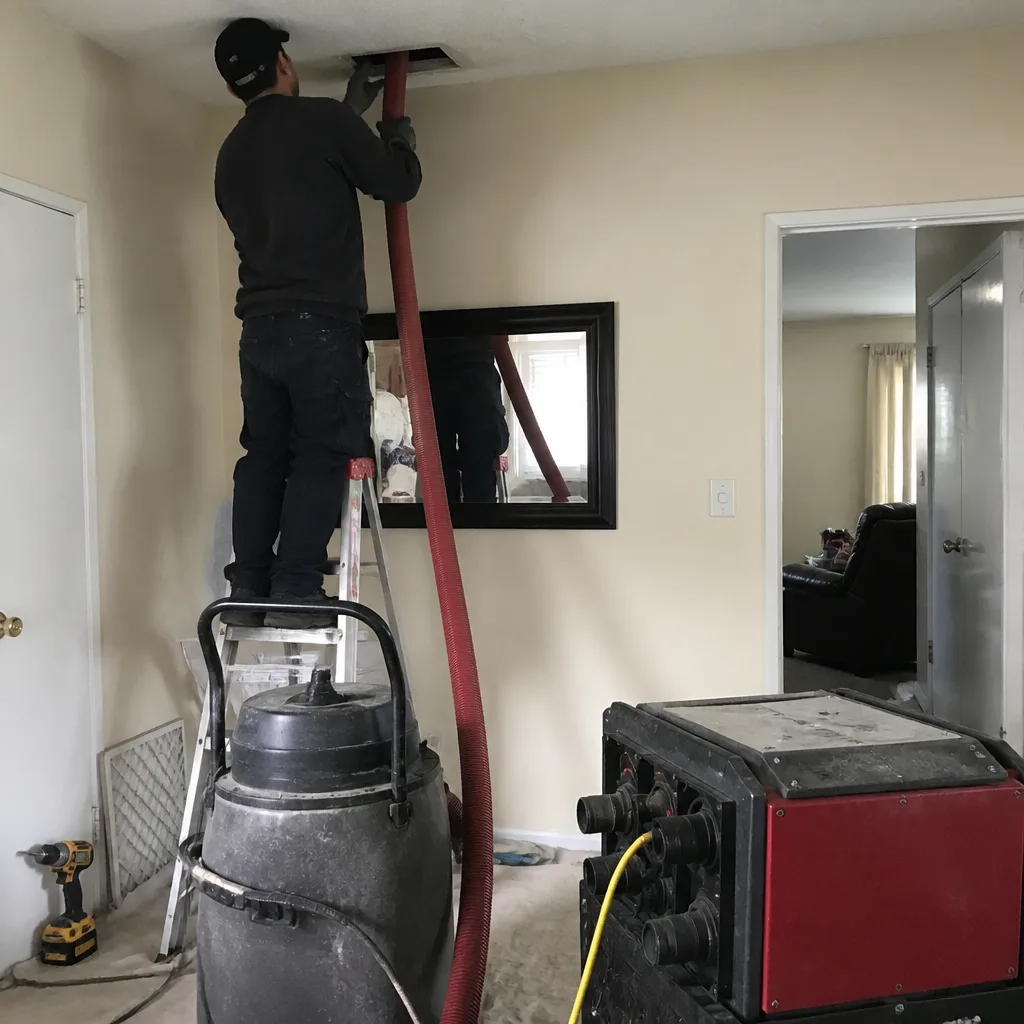 Before
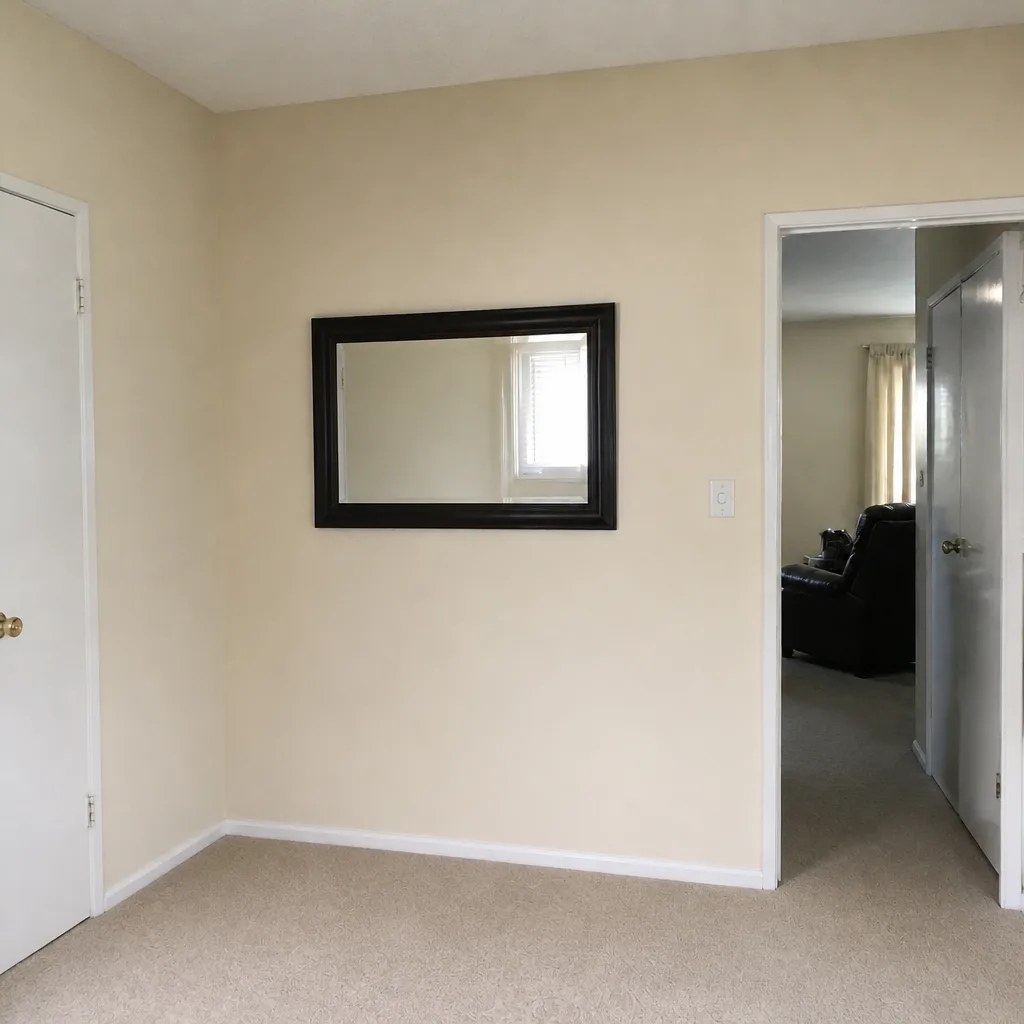 After
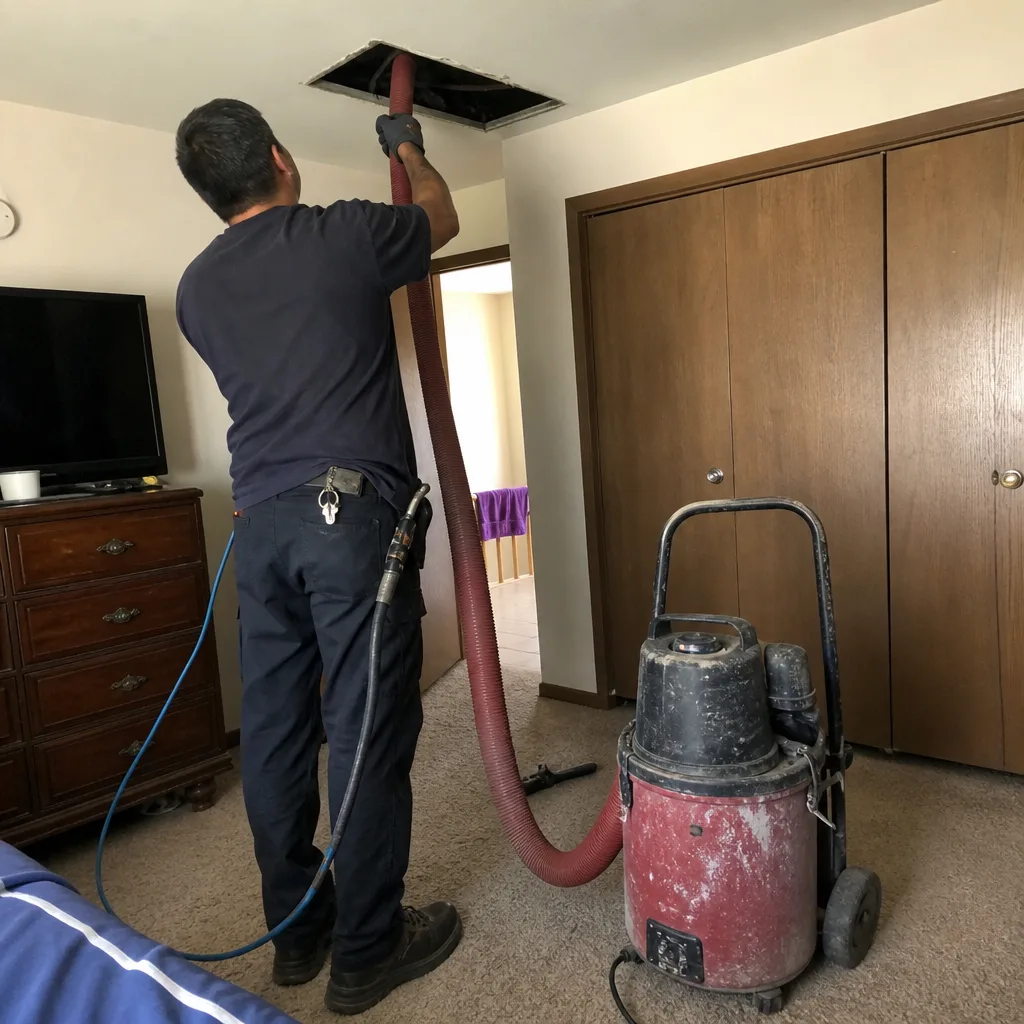 Before
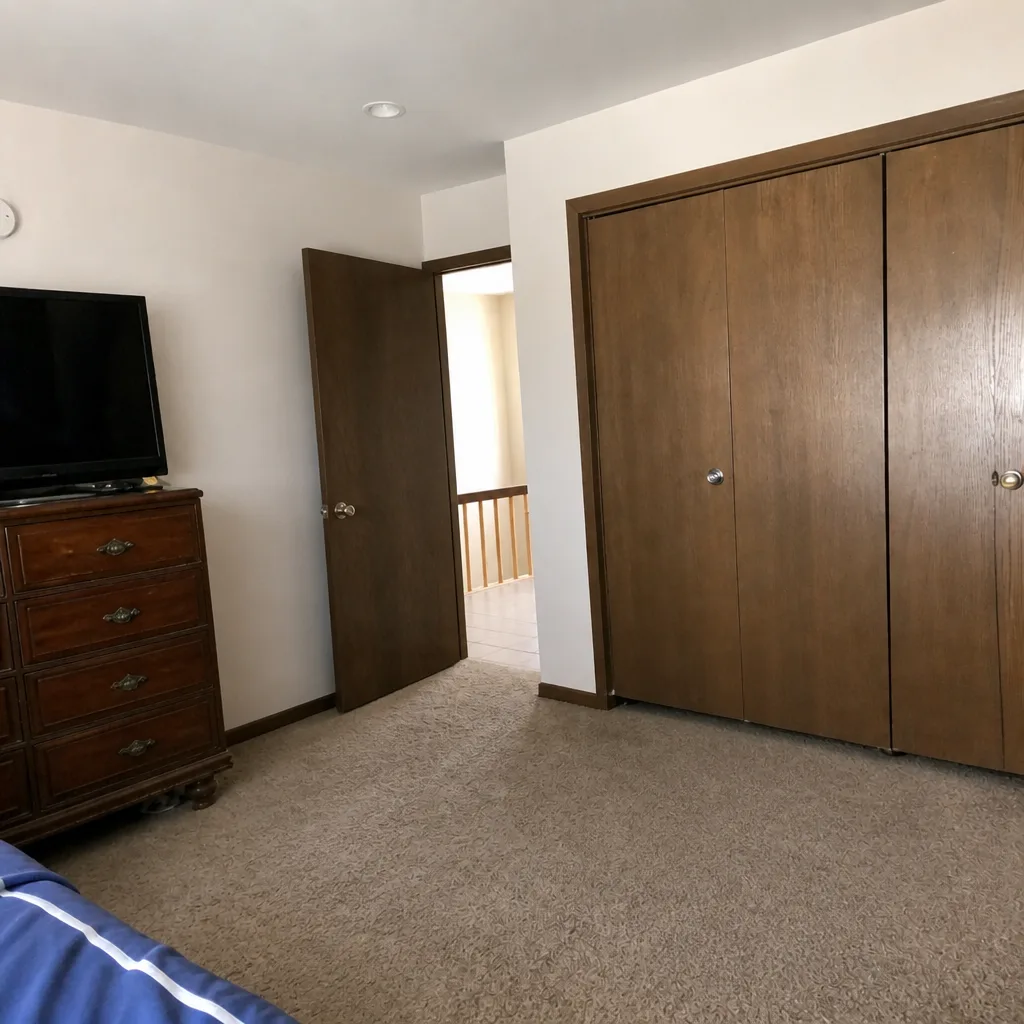 After
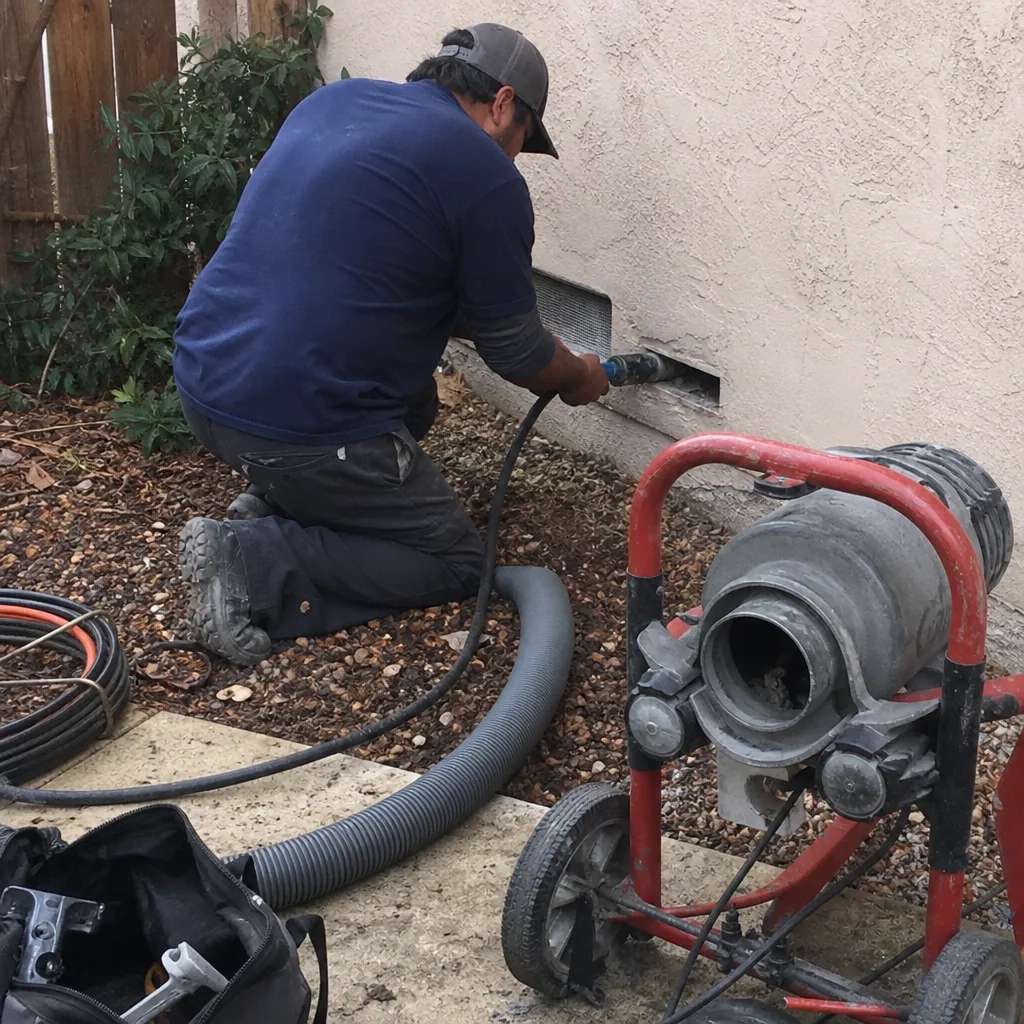 Before
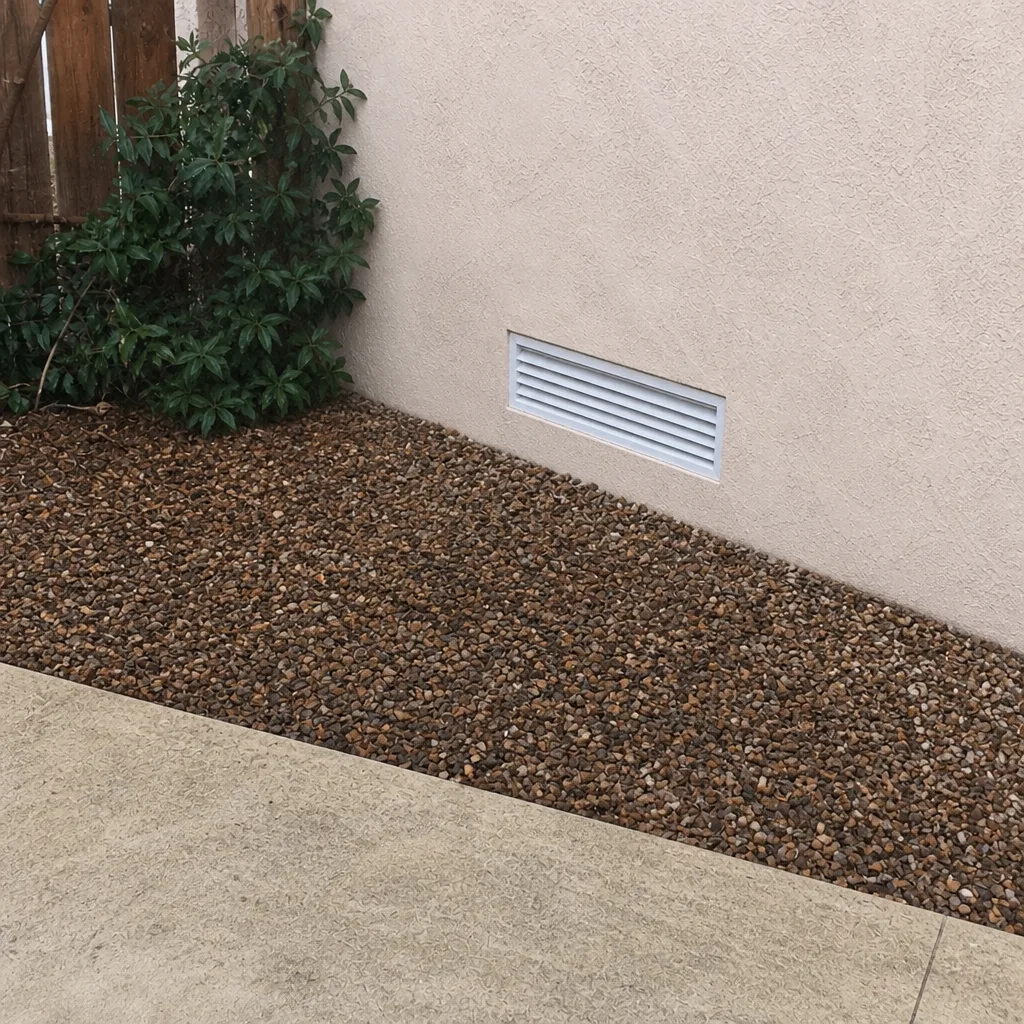 After
When to Call a Professional
Call a professional when the symptom is systemic and the tissue-paper test points away from the blower, when a musty smell appears at every startup, or when you suspect a collapsed or disconnected duct run. Any sign of attic or crawlspace air entering the system is worth a professional inspection because the pressure test and containment equipment required aren’t something you can replicate with household tools. Same for the dryer vent: if the run is long, concealed, or has never been professionally cleared, it’s worth booking now rather than waiting for a warning sign. Duct Cleaning Antioch offers free estimates in Antioch – call (877) 212-3243. We answer 24/7. Fast dispatch from 7am to 7pm, Sunday through Friday. We serve homeowners and light commercial customers across Antioch, and the written estimate sets the final price per job.
Frequently Asked Questions
Air duct cleaning in Antioch typically runs by whole-system pricing rather than per-vent, because a real cleaning involves the entire system from the registers through the main trunk and back to the air handler. We set one flat price per system based on the size and configuration of your ductwork, and we confirm that price in a written estimate before any work starts. The written estimate is the final price. Call (877) 212-3243 for an exact quote – estimates are free.
Cheap quotes are often built around a single pass with consumer-grade equipment, or a per-vent price that sounds low until the invoice arrives with extras added. A genuine cleaning uses brush agitation, HEPA extraction, and negative-pressure containment, which takes more time and better equipment. When you compare quotes, ask what brand of equipment the technician will use and whether repair and inspection are included. Call (877) 212-3243 to hear what a complete cleaning involves.
A professional cleaning should include before-and-after photos of your own ductwork, taken inside the runs before and after extraction. That’s the single best way to verify the work. We photograph each system we clean so you can see what came out, not just hear that it was done. Call (877) 212-3243 to schedule an estimate.
Most homes benefit from a professional cleaning every few years, but the interval depends on how much dust and construction activity the system sees, whether pets live in the home, and whether anyone in the household has allergy concerns. Antioch’s long dry summers mean the system runs heavily, and homes near recent construction or with older flex duct tend to need cleaning on the shorter end of that range. Call (877) 212-3243 for advice specific to your system.
Yes. A single collapsed flex run can usually be replaced section by section without touching the rest of the ductwork or the HVAC equipment. Because the run is often concealed in the attic or a wall cavity, the repair is usually a professional job, but it’s a targeted repair rather than a full-system replacement. We handle both cleaning and repair so the fix happens in one visit where possible.
Changing the filter regularly helps, but it can’t address dust and debris that’s already settled in the duct runs, and it can’t fix a collapsed section, a breached trunk, or a contaminated coil. Filters prevent new dust from entering the system; cleaning removes what’s already there. Call (877) 212-3243 if you’re unsure whether your system needs cleaning or just filtration.
The Bottom Line
Most duct problems in Antioch homes are mechanical and diagnosable before you spend a dollar on repairs. Start with the tissue-paper test to separate duct restrictions from blower problems, then follow the symptoms: a single weak room points to a collapsed branch run, a system-wide smell points to the ducts or air handler, and any sign of attic or crawlspace air entering the system means a breach. Handle register cleaning, filter changes, and accessible damper adjustment yourself. Call a professional for interior cleaning, flex duct replacement, pressure testing, and dryer vent cleaning. We repair what we find, so the fix is complete, not partial. Our technicians have up to 8 years of experience, and the written estimate sets the price before work starts.
Contact
If you’re dealing with a duct problem you can’t diagnose, or you want a professional to confirm what the symptoms are telling you, call (877) 212-3243 for a free estimate. Duct Cleaning Antioch connects homeowners across Antioch with independent local professionals who use professional-grade equipment – Rotobrush, Nikro, and Abatement Technologies – for cleaning that reaches the full system. We answer 24/7. Fast dispatch from 7am to 7pm, Sunday through Friday. Whether the issue is airflow, odor, a collapsed run, or a dryer vent that’s never been cleared, we’ll walk you through the diagnosis and give you a written estimate before any work begins.
Written by the team at Duct Cleaning Antioch.