
Last updated November 15, 2026
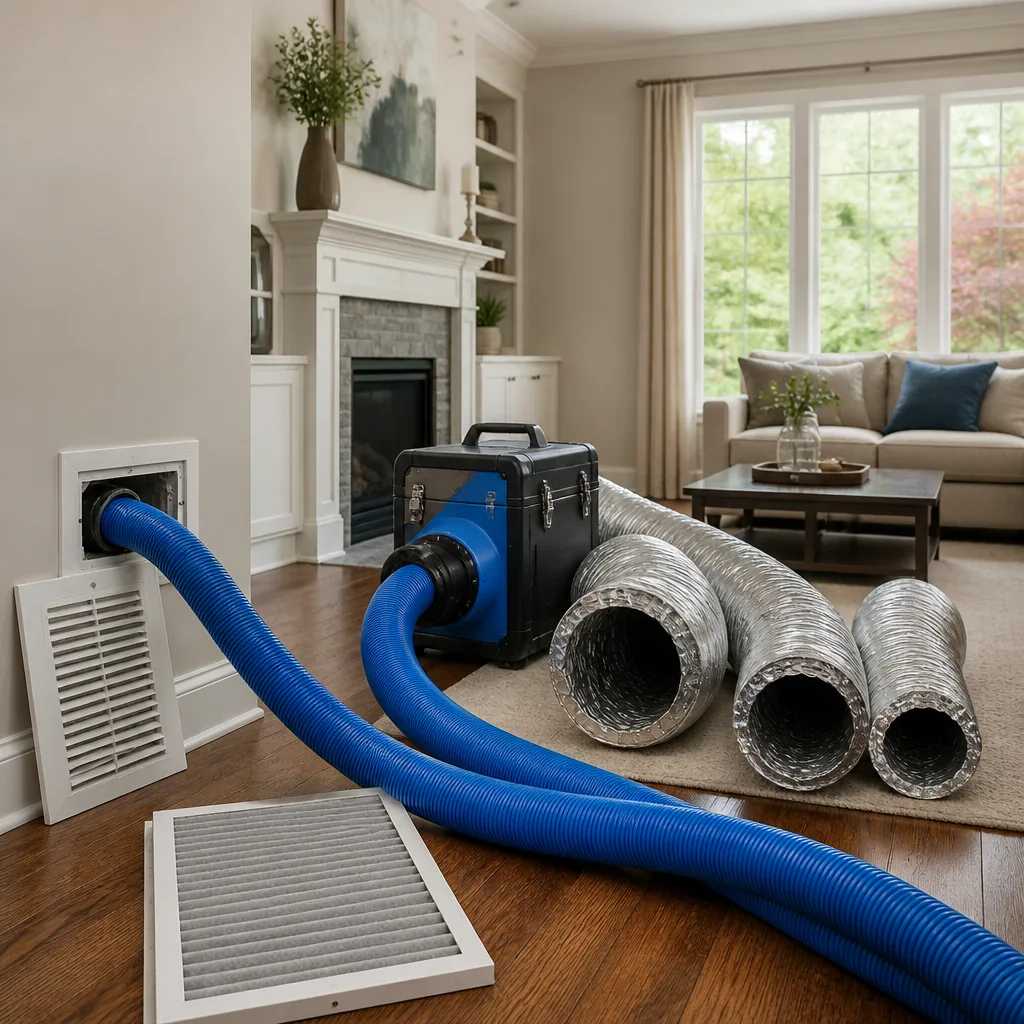 Whole-home duct cleaning
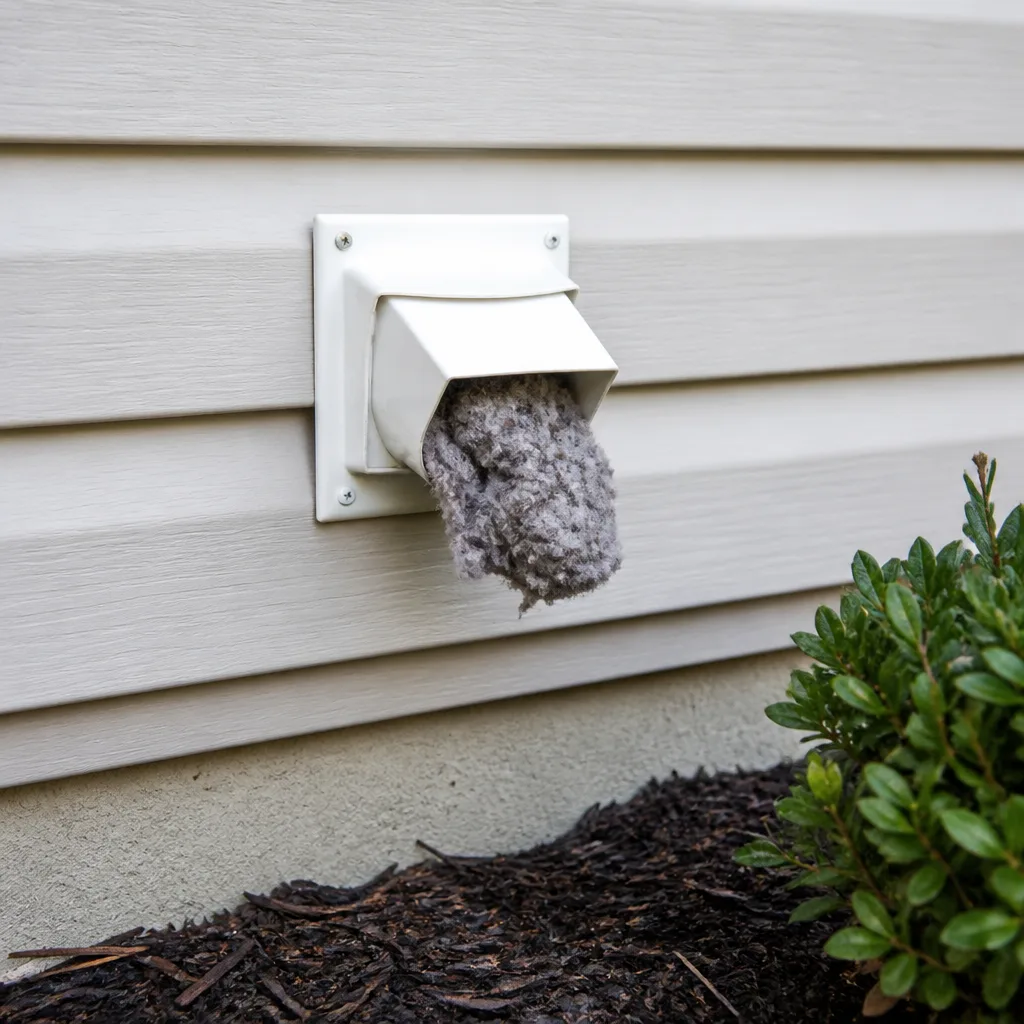 Dryer vent cleaning
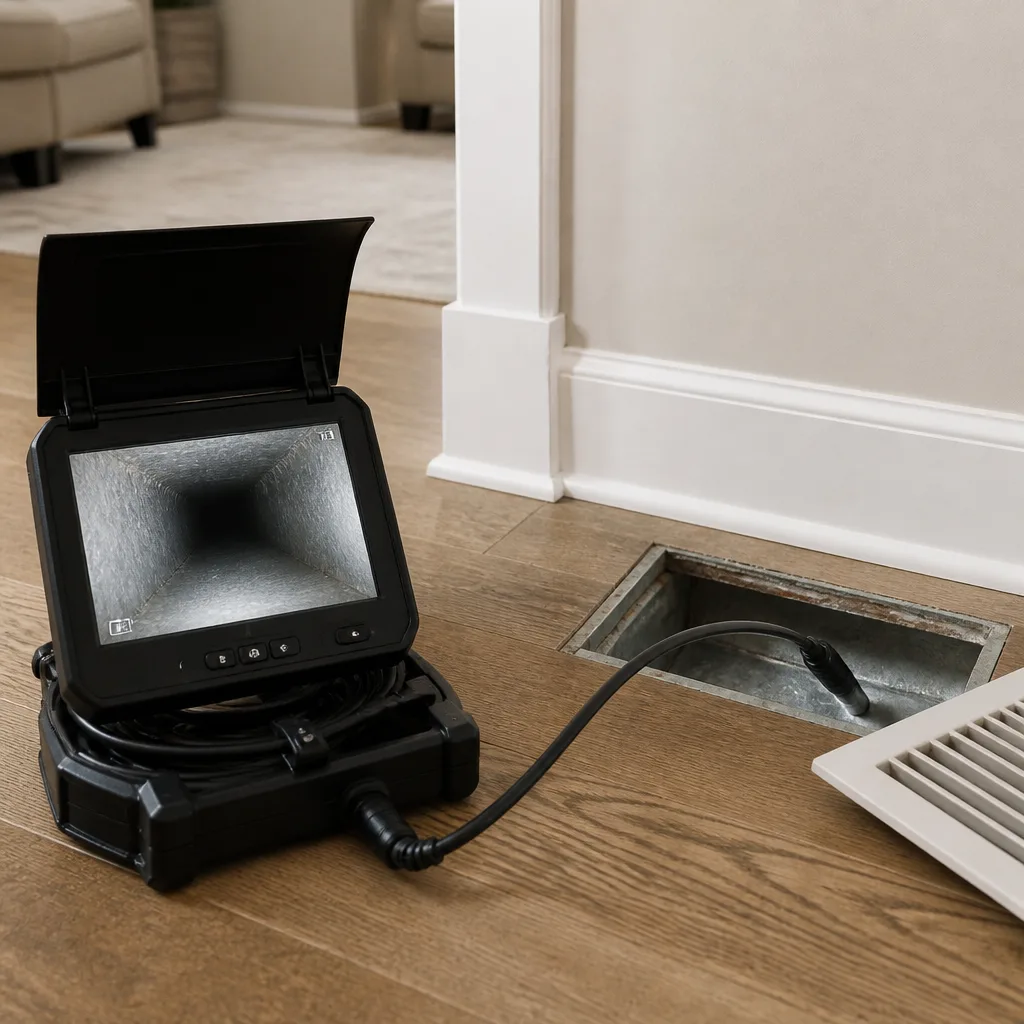 Camera inspection
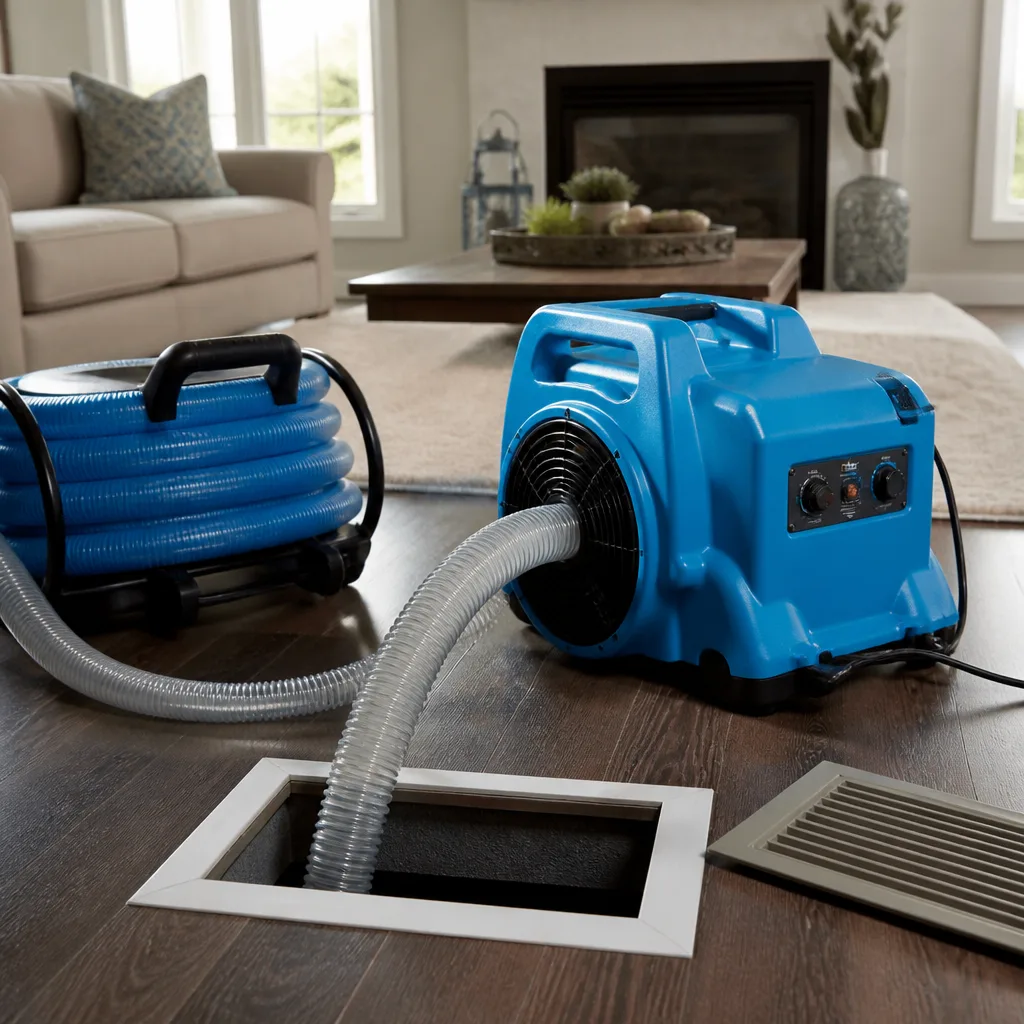 Sanitizing & deodorizing
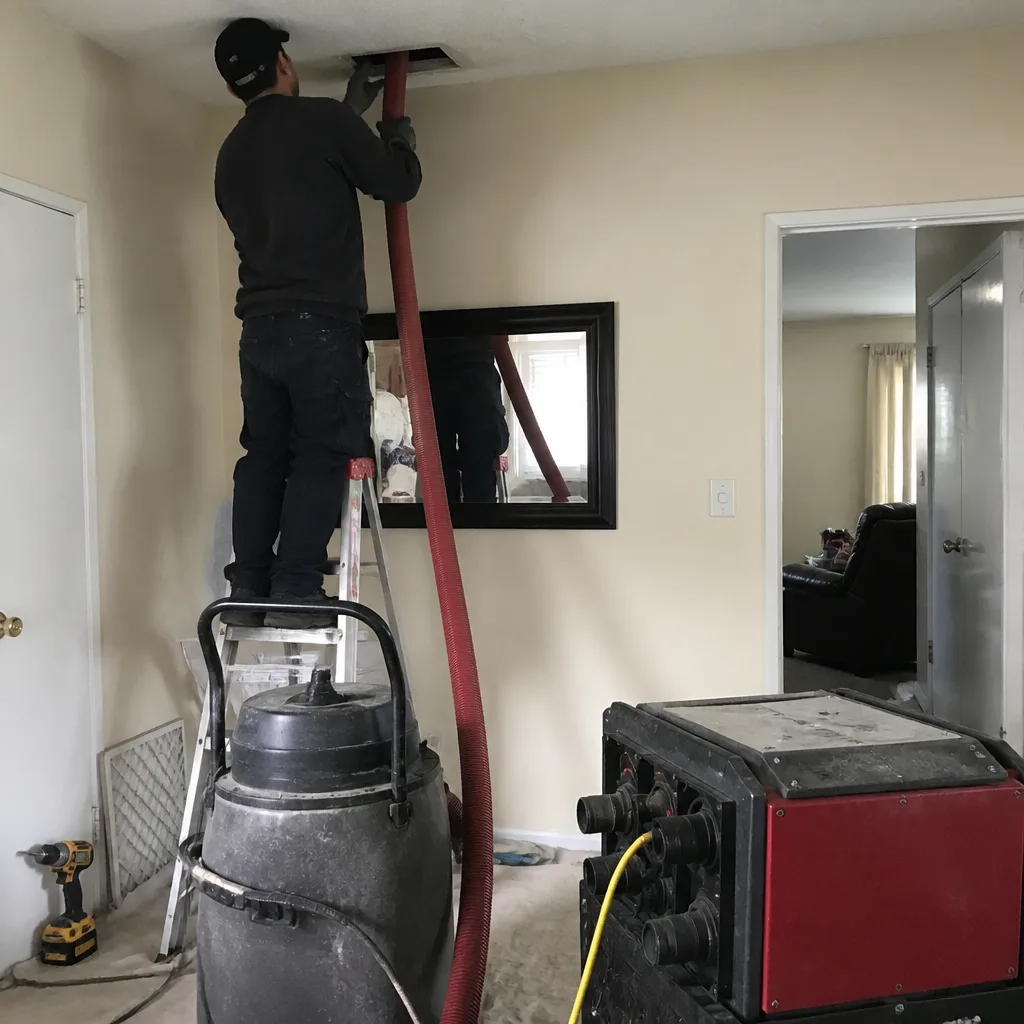
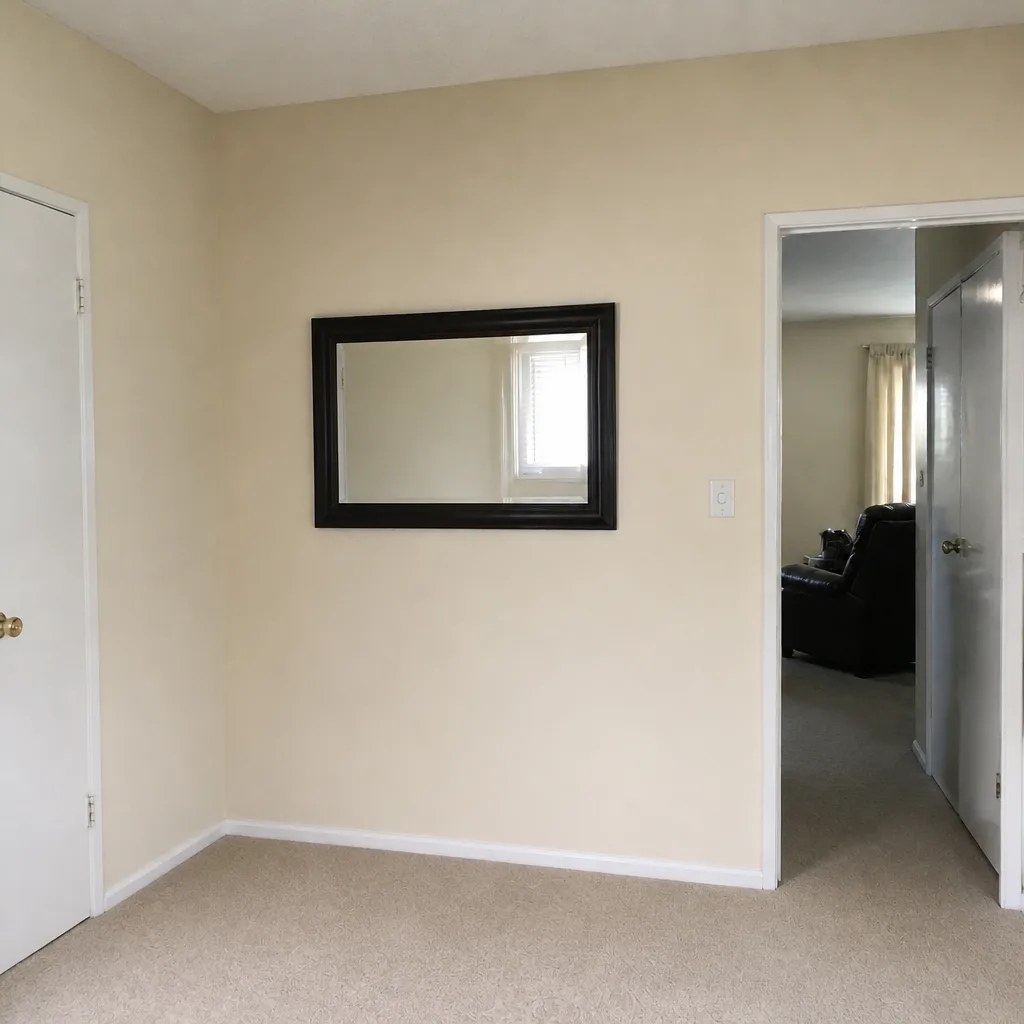
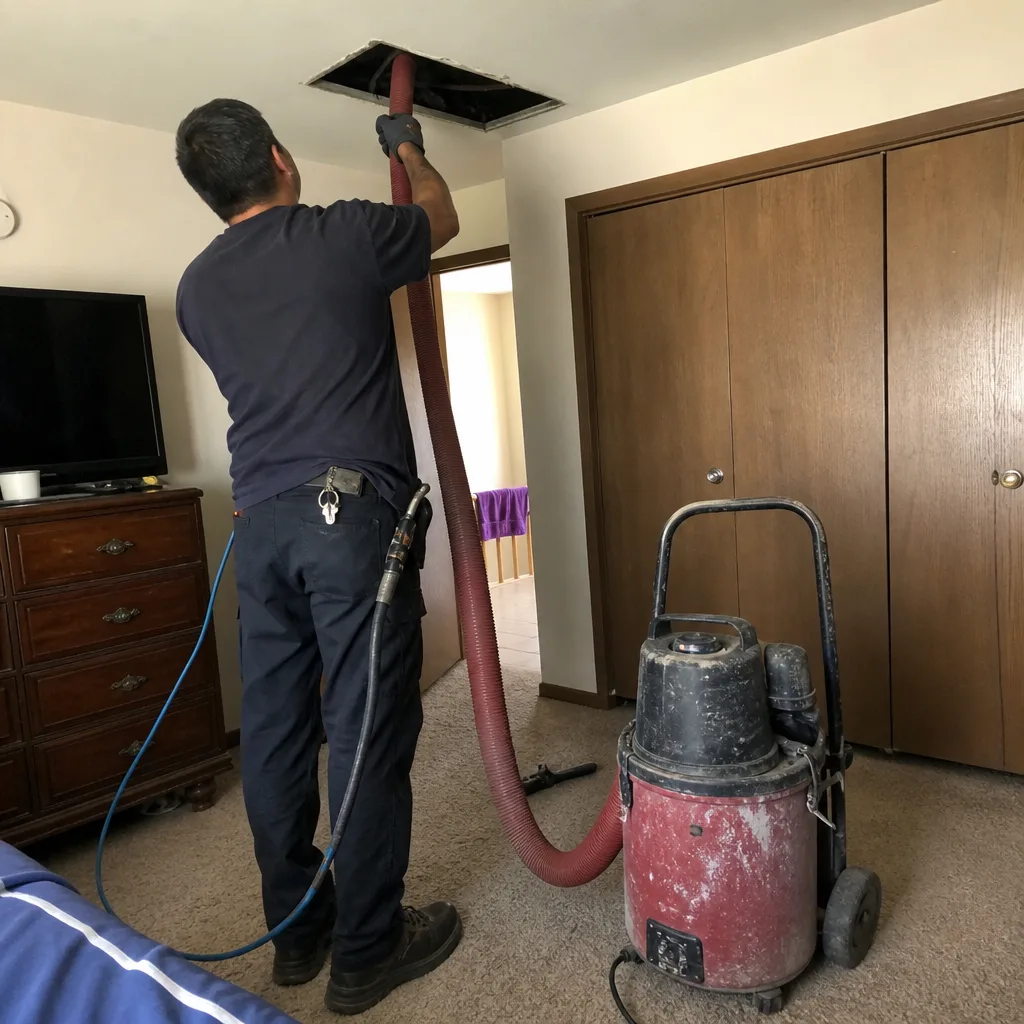
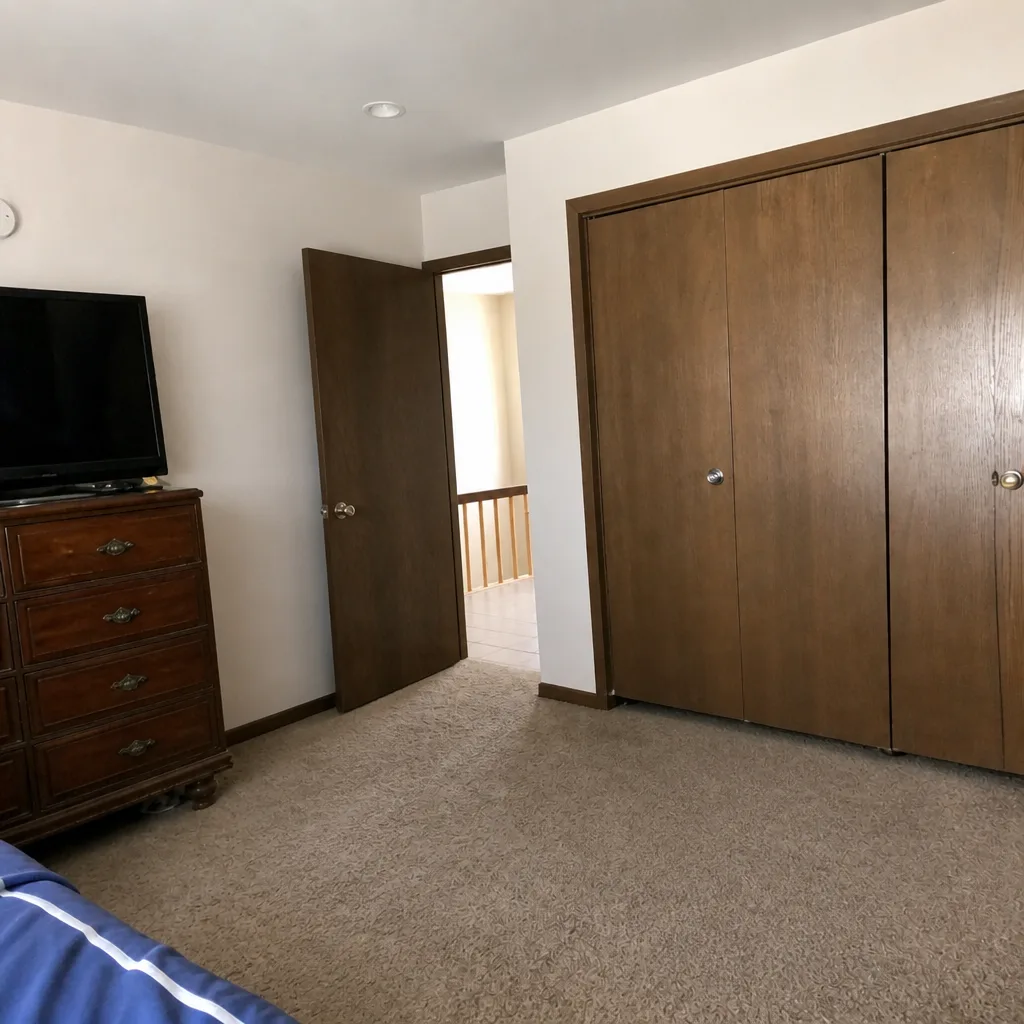
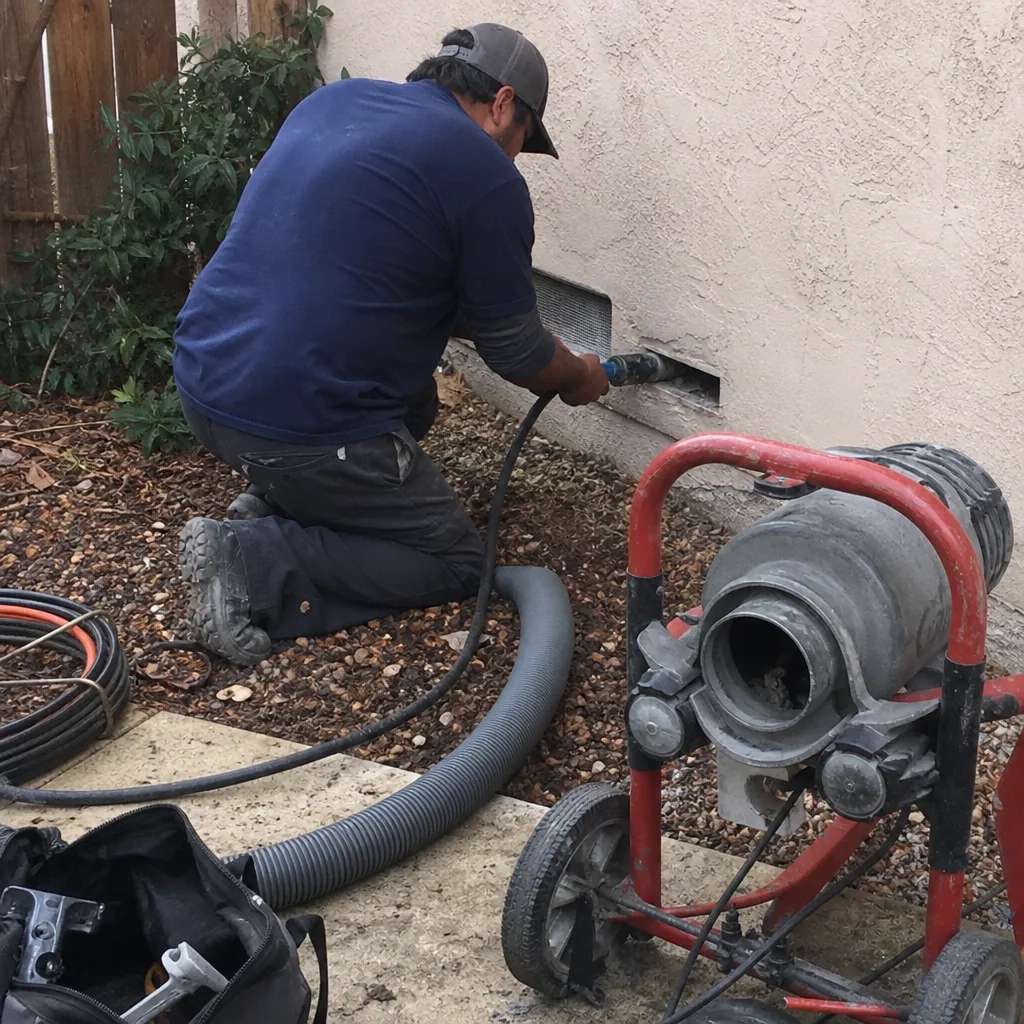
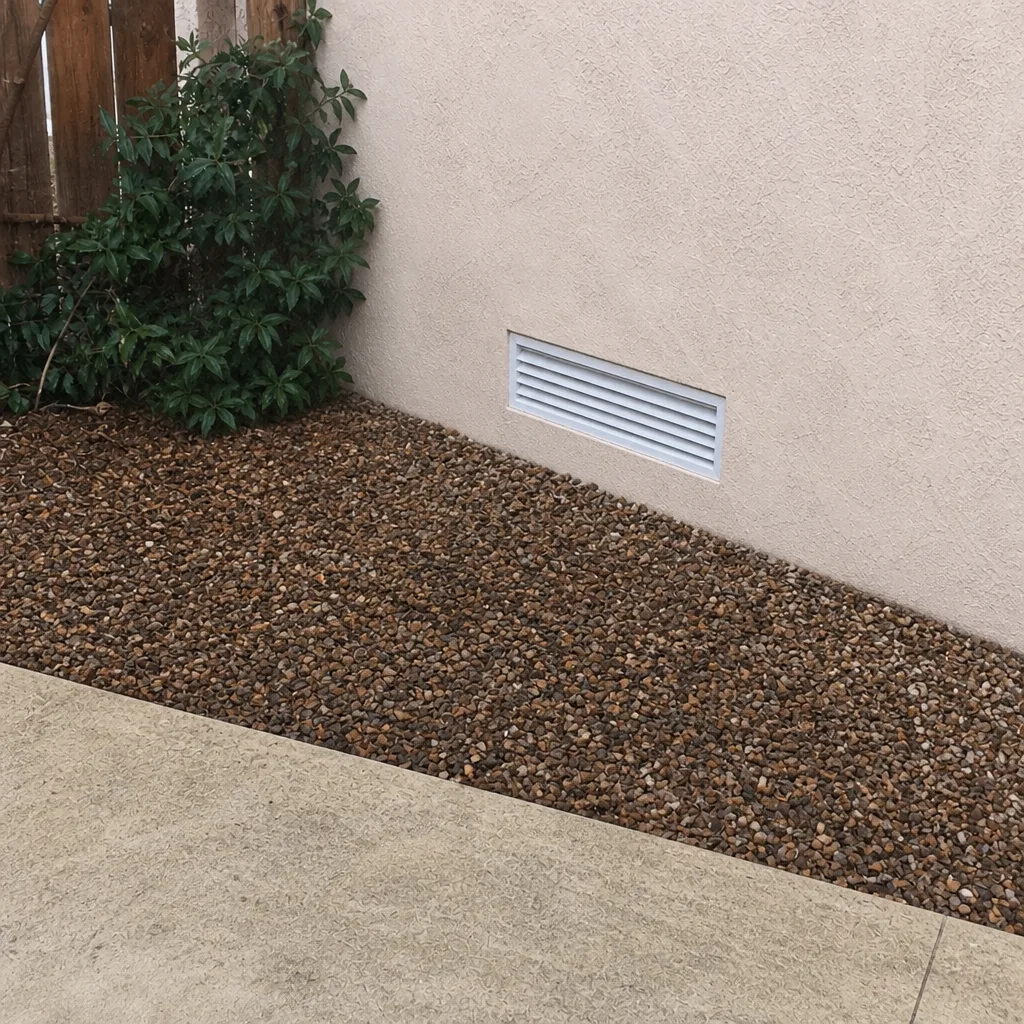
Whole-system duct and dryer vent check with before-and-after photos - you see exactly what came out of your vents
That "$99 whole-house special" is a bait ad - the real number appears once they are in your hallway, or the "clean" is a shop-vac at the register. We photograph the inside of your ducts before and after instead.
Air Duct Cleaning Warning Signs: An Antioch Homeowner’s Reference Guide
Most homeowners in Antioch judge their ductwork by the wrong evidence. They see a dark ring of dust around a supply register and assume the whole system is contaminated, when that ring is usually just surface debris on the grille itself. Meanwhile the signs that actually matter – a musty smell that shows up only at startup, a bedroom door that pulls itself shut, a utility bill creeping upward with no change in habits – slip past unnoticed until the HVAC system starts losing capacity. This guide explains what to look for, what to ignore, and how to tell whether your ducts need cleaning, repair, or a closer look at the equipment. Our technicians have up to 8 years of experience reading these same signals.
Quick Answer
The real warning signs of duct contamination in an Antioch home are odors that appear at HVAC startup and then fade, rooms that never reach temperature, doors that drift open or shut on their own, a visible dust film on furniture soon after cleaning, and rising energy bills with no change in usage. Visible dust on the registers themselves is usually cosmetic and can be wiped away. When several of these systemic signals appear together, it’s time for a professional inspection.
Styles & brands we work with
- Whole-home duct cleaning
- Dryer vent cleaning
- Camera inspection
- Sanitizing & deodorizing
Table of Contents
- Cosmetic Register Dust vs. System-Level Contamination
- How to Do a Flashlight Inspection Inside a Supply Boot
- Odor Diagnostics: Reading What Your Ducts Are Telling You
- Pressure Imbalance: Doors, Rooms, and Duct Leakage
- Cleaning vs. Repair vs. Replacement: The Triage Logic
- Dryer Vent Warning Signs That Are a Different Problem Entirely
- What Makes Antioch Homes Different
- Common Mistakes to Avoid
Cosmetic Register Dust vs. System-Level Contamination
The first distinction to make is between what you can see on the outside of the system and what’s happening inside the trunk lines and branch runs. Dust on a return or supply grille is normal. Air moves across that surface constantly, and the grille acts like a small static filter. A wipe-down with a damp cloth handles it. If dust reappears on the grille within a few days of wiping, that’s a different story – it suggests the air passing through is carrying a heavy particulate load.
System-level contamination shows up in ways that don’t involve the visible surfaces at all. The signs that matter:
- Dust settling on horizontal surfaces throughout the home within a week of cleaning. This points to particulate being reintroduced through the supply system rather than settling from general household activity.
- A visible dust plume when the system first starts up. If you can see particles puff out of a register in the seconds after the blower engages, that material was sitting inside the ducting.
- Debris in the return plenum. When you remove a return grille and see accumulation on the metal of the plenum itself, the contamination goes beyond surface level.
- Filtration that loads up faster than it should. A filter that’s dark and clogged in weeks rather than months means the ducting and air handler are contributing to the load.
- Visible debris around the air handler cabinet seams. This is where systemic contamination frequently originates, especially in older Antioch homes where the cabinet hasn’t been sealed properly.
A single cosmetic sign is rarely a reason to call anyone. Three or more systemic signs appearing together is a different conversation. The distinction matters because a legitimate inspection takes time and equipment to do properly, and we’d rather you know the difference than pay for a service you don’t need. For context on what a proper air duct cleaning actually involves, the process itself is a good reference point for what “clean” should mean.
How to Do a Flashlight Inspection Inside a Supply Boot
You can get useful information from the inside of a supply boot without any special equipment, and it takes about five minutes per register. This isn’t a substitute for a professional assessment, but it tells you whether something worth investigating is going on. A supply boot is the sheet metal fitting that transitions from the floor or wall grille into the branch duct.
Here’s a basic inspection you can do yourself:
- Turn the HVAC system off completely. At the thermostat, set it to off. Let the fan stop before you start. Moving air will distort what you see.
- Remove the register grille. Most are held by two screws or simple friction clips. Set them aside where they won’t get lost.
- Shine a flashlight down into the boot. Angle it toward the far side of the transition so you can see the joint where the boot meets the branch duct.
- Take a photo with your phone camera on a low-angle setting. Set the phone flat against the grille opening and use the wide-angle lens if available. The photo will show buildup that’s hard to judge by eye in low light.
- Look for standing debris, dark staining on the metal, or visible microbial growth. A light film of grey dust is normal. Black or green-black patches, fuzzy texture, or anything that looks like it’s feeding on moisture are not.
- Check the joint between the boot and the branch line. Gaps at the seam or tape that’s peeled away are duct leakage, which is a repair issue, not a cleaning one.
What you’re looking for, more than anything, is whether the interior of the boot looks like a surface that air should pass over. Dust distribution should be relatively even and thin. Heavy localized accumulation, dark staining, or visible growth changes the answer. If you find something that concerns you, the next step is a professional inspection with proper lighting and a camera scope. Duct Cleaning Antioch brings Abatement Technologies negative-air filtration along with Rotobrush brush agitation and Nikro HEPA extraction, so anything found during inspection can be addressed on the same visit rather than as a separate trip.
Odor Diagnostics: Reading What Your Ducts Are Telling You
Smell is often the most reliable warning sign because it points to the source even when nothing is visible. The key is timing. When the smell occurs tells you almost as much as what the smell is.
Musty or mildew smell at startup, fading after 10 minutes
This is the classic signature of microbial growth in the air handler or on the evaporator coil. The blower pushes air across a moist coil on startup, picks up the smell along with it, then the coil begins to dry as the system runs and the smell fades. Persistent musty odor that doesn’t fade points to a more advanced problem, possibly in the condensate pan or the return plenum where moisture has been allowed to sit.
Burning dust smell at the first heat cycle of the season
A brief burning-dust smell the first time the heat comes on in autumn is usually dust burning off the heat exchanger. That’s normal and it clears within a few minutes. A burning smell that persists or recurs throughout the heating season is not normal. It can indicate a heat exchanger issue, and that’s a safety concern that calls for a qualified HVAC technician, not a duct cleaner. Get it checked.
Chemical or plastic off-gassing smell
New duct liner or a recently installed flex duct can off-gas for a few weeks under first heating. The smell is usually faint and fades with use. If it persists or grows stronger, it may indicate a liner that’s degrading, which is a repair signal.
Smell that only occurs in certain rooms
If one bedroom smells and the rest of the house doesn’t, the problem is local to the branch duct serving that room. That could be a disconnected branch, a failing joint, or microbial growth inside the branch itself. A localized smell is easier to trace than a whole-house symptom, and often cheaper to resolve once it’s identified.
If your nose keeps noticing something at startup and you can’t place where it’s coming from, that’s the point to call in an inspection. For a reference of how we approach duct cleaning in Antioch as a full system, the layered methodology is worth reading before you book anyone.
Pressure Imbalance: Doors, Rooms, and Duct Leakage
One of the most useful and most overlooked warning signs has nothing to do with dust or odor. It’s pressure. Your ductwork is designed to deliver a specific volume of air to each room, and when the system leaks or a run is blocked, that balance goes off. The symptoms show up as behavior in the home.
- A door that drifts open or swings shut on its own when the HVAC system runs. That’s the system pressurizing one side of the wall against the other through a leak in a duct passing through that wall cavity.
- A bedroom that never reaches set temperature regardless of thermostat settings. Often the branch feeding that room has a leak upstream, so the room gets a diminished share of air.
- A room that’s noticeably hotter or colder than the rest of the house. Uneven temperature distribution is a strong sign of either a duct leak or a design imbalance in the branch layout.
- A mechanical room or closet that gets hot or cold when the HVAC runs when it shouldn’t. That’s a duct passing through the space and leaking into it instead of delivering air to the intended room.
- Whistling or hissing at a register. That’s air escaping through a gap in the boot or at a joint. It sounds minor but often indicates a significant leak.
- Excess suction at one return and insufficient return elsewhere. This is a design or leak issue that affects how the whole system performs.
These signs point to duct leakage – a repair issue, not a cleaning one. In our experience, homeowners who describe “the far bedroom is always cold” are often describing a disconnected or crushed branch duct rather than an HVAC capacity problem. The right answer in that case isn’t a bigger system, it’s a repair. Duct Cleaning Antioch offers air duct repair as a distinct service for exactly this reason – most duct cleaning companies identify the leak, tell you it needs repair, and refer you elsewhere. We close that gap. The clean-and-repair combination is particularly relevant in Antioch, where older ductwork in established neighborhoods is more likely to have joint failures from thermal cycling over time.
Cleaning vs. Repair vs. Replacement: The Triage Logic
When the warning signs are present, the question becomes what kind of work is actually needed. A technician goes through a specific logic, and you can apply the same logic to your own observations before you call anyone.
When cleaning is the right answer
Cleaning addresses contamination – accumulated particulate, microbial growth, and debris inside the ducting and air handler. Signs that point to cleaning: visible dust reintroduced through the supply system, mold or mildew odor at startup, dust buildup inside the boots, and rapid filter loading. Cleaning is a maintenance answer to a contamination problem, and it doesn’t address leaks or mechanical failures.
When repair is the right answer
Repair addresses structural problems – disconnected branches, crushed flex duct, failed joints, gaps at the plenum seams. Signs that point to repair: doors that pressurize, rooms that never reach temperature, whistling or hissing at a boot, and visual gaps at duct seams. Repair is not a cleaning substitute, and cleaning is not a repair substitute. In our experience the two are often needed together on the same job, because the contaminant source is frequently the same leak that’s causing the pressure problem.
When replacement is worth discussing
Replacement is for ducting that can’t be repaired economically – deteriorated duct liner, crushing beyond repair, or ducting that was never properly sized for the system. Visible signs: liner breaking apart in the boot, large sections of flex duct collapsed, or visible contamination that’s penetrated deep into porous material. This is the least common scenario, but it does happen in older homes.
If you’re unsure which category your situation falls into, the answer is a professional inspection with proper equipment. Our approach uses Rotobrush brush agitation, Nikro HEPA extraction, and Abatement Technologies negative-air filtration as a layered cleaning sequence, and we carry both cleaning and repair capability on the same visit so the answer you get is the full answer rather than half of one.
Dryer Vent Warning Signs That Are a Different Problem Entirely
A dryer vent is often lumped in with air duct cleaning because both involve ductwork, but they’re separate systems with separate failure modes and separate consequences. The dryer vent cleaning service exists as its own fire-safety matter, and the warning signs are distinct.
- Clothes take longer than one cycle to dry, even at high heat. Reduced airflow is the primary symptom of lint accumulation.
- The dryer exterior is hot to the touch when running. That heat is going into the cabinet rather than out the vent.
- The laundry room feels humid or smells like warm lint during drying. Moisture should exit through the vent, not into the room.
- Visible lint behind the dryer or at the outside vent flap. If you can see accumulation at either end, the middle of the run is worse.
- The outside vent flap doesn’t open fully when the dryer runs, or it stays closed. That’s blocked airflow.
- You can’t remember the last time the vent was cleaned. Dryer vent lint is a fire fuel, and the accumulation is invisible until it’s a problem.
These signs are safety-critical and warrant a call rather than continued use. Lint buildup in a dryer vent restricts airflow, and reduced airflow causes the dryer to overheat. In our experience this is the service homeowners postpone longest and regret most, because the work is quick, the difference in dryer performance is immediate, and the fire risk reduction is the real return.
What Makes Antioch Homes Different
The warning signs above are universal, but what they look like in Antioch depends on the age and type of housing stock. Antioch has a mix of older homes in established neighborhoods and newer construction, and each comes with its own ductwork characteristics.
Older homes often have rigid metal ducting with taped or mastic-sealed joints. Over time, thermal cycling through warm summers and cool winters causes that sealant to fail, and the joints leak. The result is the pressure imbalance signs described above: doors that drift, bedrooms that run warm, and air handler cabinets that pull in dust from unconditioned space. Those homes are candidates for repair alongside cleaning.
Newer construction typically uses flex duct, which is efficient when properly installed but vulnerable to crushing in tight runs and to liner deterioration. A crushed flex branch is the most common cause of a room that never reaches temperature in newer Antioch homes.
The region’s dry summers matter for particulate loading. Dust, pollen, and wildfire-adjacent particles accumulate in return systems over the dry months, and the first cool-weather operation of the heating system can push that accumulation through the supply side. Many Antioch homeowners notice the odor-at-startup symptom most sharply at the first cool mornings of the year. If that pattern matches your situation, the guide on Antioch home services provides broader context on how local systems are typically maintained.
For the sealing and filtration upgrades that pair well with cleaning, we work with Honeywell and Aprilaire product lines, which are the same brands commonly used in commercial and remediation-level applications. Filtration and humidity control are often the post-cleaning conversation that keeps a cleaned system clean.
Common Mistakes to Avoid
- Judging the duct system by the register grilles alone. The grille is a surface filter, not a diagnostic. Wiping the grille tells you almost nothing about what’s inside the boot or the branch duct behind it.
- Booking the first cleaning company that answers the phone without asking about equipment. Consumer-grade shop vacuums and single-pass “cleaners” won’t do anything for real contamination. Ask what equipment a company uses before you book. If they can’t name it, they may not have it.
- Treating a pressure problem with a cleaning. If a bedroom never reaches temperature, cleaning the ducts won’t fix it. That’s a repair issue, and a clean-and-only company will take your money and leave the leak in place.
- Ignoring the startup odor because it fades. A smell that appears only in the first 10 minutes of operation is often microbial growth on the coil. It fades because the coil dries, not because the growth went away.
- Skipping the dryer vent because it’s “not an air quality issue.” Dryer vents are the fire-safety side of the same trade. Many Antioch homeowners have never had a professional dry vent inspection, and lint accumulation doesn’t announce itself.
- Assuming a new HVAC system doesn’t need duct attention. New equipment on contaminated or leaking ducting will perform below its rated capacity. The system is only as good as the ductwork feeding it.
- Waiting for the system to fail before addressing warning signs. Dust reintroduction, pressure imbalance, and startup odor all precede equipment failure. Getting an inspection while the signs are visible is usually cheaper than waiting for the blower or the coil to give out.
See the difference
 Before
 After
 Before
 After
 Before
 After
When to Call a Professional
Call a professional when three or more systemic warning signs appear together, when you see visible growth or dark staining inside a supply boot, when a door in your home drifts or swings on its own when the HVAC runs, when the startup odor doesn’t fade within 10-15 minutes, or when the dryer vent has never been professionally inspected. Also call if a room in your home has never reached set temperature regardless of thermostat adjustments, because that’s a repair signal rather than a maintenance one. A brief visual inspection from a technician will tell you which category your situation falls into, and the right answer is often less work than you’re expecting. Duct Cleaning Antioch offers free estimates in Antioch – call (877) 212-3243. We answer 24/7. Fast dispatch from 7am to 7pm, Sunday through Friday.
Frequently Asked Questions
Pricing is per system by written estimate, and the estimate is free. Typical cost depends on the size of the system, the number of supply and return runs, and whether repair work is needed on top of cleaning. Any quote you get should specify what’s included and what the final price is before work starts – one flat price per system, agreed before anyone picks up a tool. Call (877) 212-3243 for an exact quote – estimates are free.
Usually because they’re not the same service. A low quote often reflects a single-pass shop-vac style cleaning with no brush agitation and no HEPA extraction, so the contamination gets stirred up rather than removed. Professional-grade equipment in the industry means systems like Rotobrush brush agitation, Nikro HEPA extraction, and Abatement Technologies negative-air filtration, and the cost of that equipment is reflected in the quote. A cheap quote and a proper quote aren’t comparable, and the cheaper one sometimes leaves the system in worse condition than it started. Call (877) 212-3243 and we can walk through what a full-scope estimate covers.
Before-and-after photos of your own ducts. Ask any provider to show you the inside of your system before they start and after they finish. If you can see the before photos and the after photos and the difference is clear, the work is verifiable. If a provider won’t provide before-and-after photos, that’s a red flag on whether the work is real. We take before-and-after photos on every job. Call (877) 212-3243 to book an inspection.
There’s no universal interval that applies to every home. In practice, the answer depends on contamination signs rather than a calendar. Homes with pets, recent renovations, allergy-sensitive occupants, or visible warning signs usually need attention sooner. Homes with clean systems and well-maintained filtration sometimes wait longer. The right approach is to check for the warning signs in this guide every 12-18 months and call when the signs appear rather than on a fixed schedule. Call (877) 212-3243 and we can talk through what’s appropriate for your home.
Usually not alone. A room that never reaches temperature typically has a duct leakage or crush issue on the branch serving that room, and cleaning doesn’t fix a leak. A full inspection would show whether the problem is a disconnected branch, a crushed flex run, or a joint failure, and repair is the appropriate answer in those cases. Duct Cleaning Antioch performs repair on the same visit as cleaning when the inspection identifies it. Call (877) 212-3243 to schedule an inspection.
A musty smell that appears at HVAC startup and fades within 10-15 minutes is a classic sign of microbial growth on the evaporator coil or inside the air handler cabinet. That’s a cleaning-and-remediation issue. A musty smell that doesn’t fade, or that’s strongest during cooling operation only, can also point to a condensate drain problem, which is an HVAC service concern rather than a duct cleaning one. A professional inspection will distinguish the two. Call (877) 212-3243 to book one.
The Bottom Line
The warning signs that matter most in an Antioch home are the ones most homeowners don’t notice: odors at startup, pressure imbalance, temperature imbalance, and dust reintroduced through the supply system. Visible dust on the register grilles is usually cosmetic and doesn’t justify a cleaning on its own. When three or more systemic signs appear together, or when you see visible growth inside a boot or a door that drifts with the HVAC running, it’s time for professional inspection. The right answer is sometimes cleaning, sometimes repair, and often both – and it’s worth working with a provider who can address all three categories on the same visit. Whether it’s cleaning, repair, or a safety-critical dryer vent check, get a free written estimate before committing to anything.
Duct Cleaning Antioch handles cleaning, repair, and dryer vent service as a single-scope provider. Call (877) 212-3243 for a free estimate. We answer 24/7. Fast dispatch from 7am to 7pm, Sunday through Friday.
Written by the team at Duct Cleaning Antioch.