
Last updated November 15, 2026
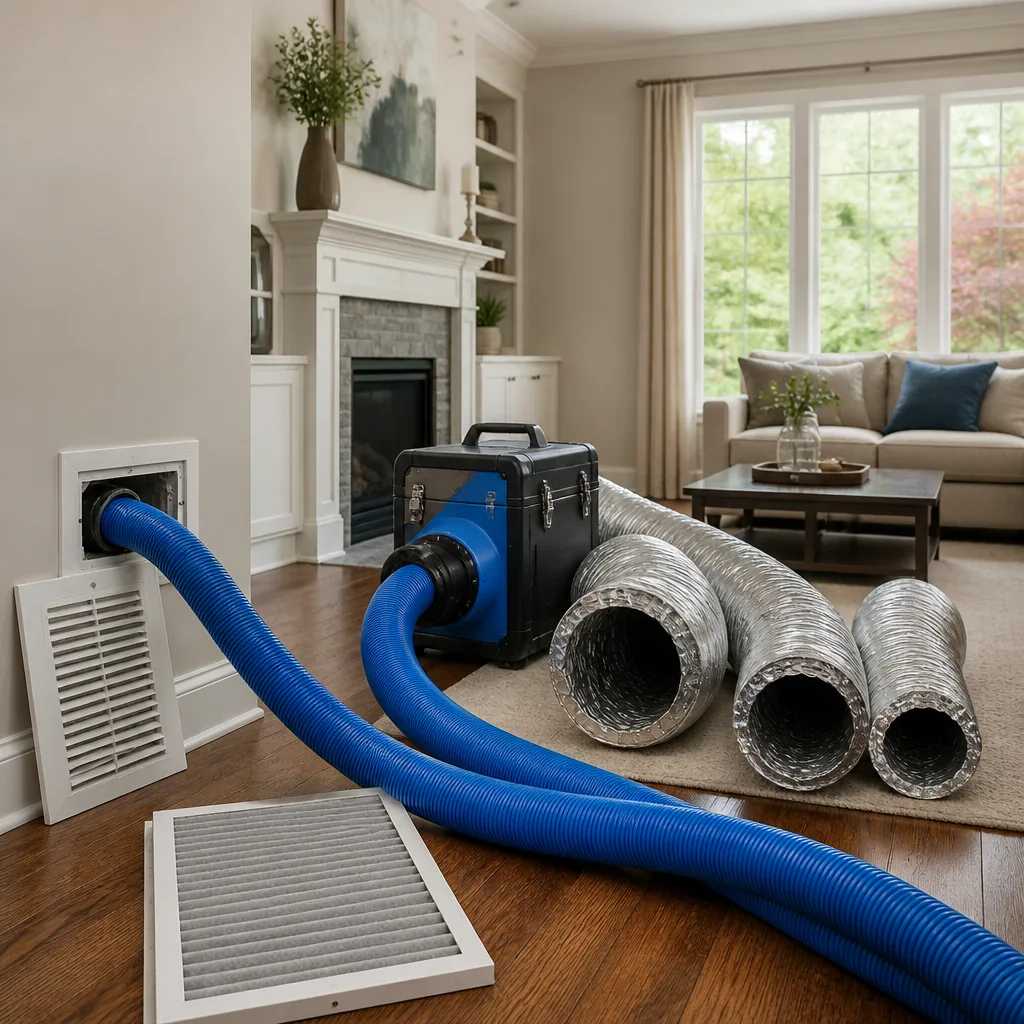 Whole-home duct cleaning
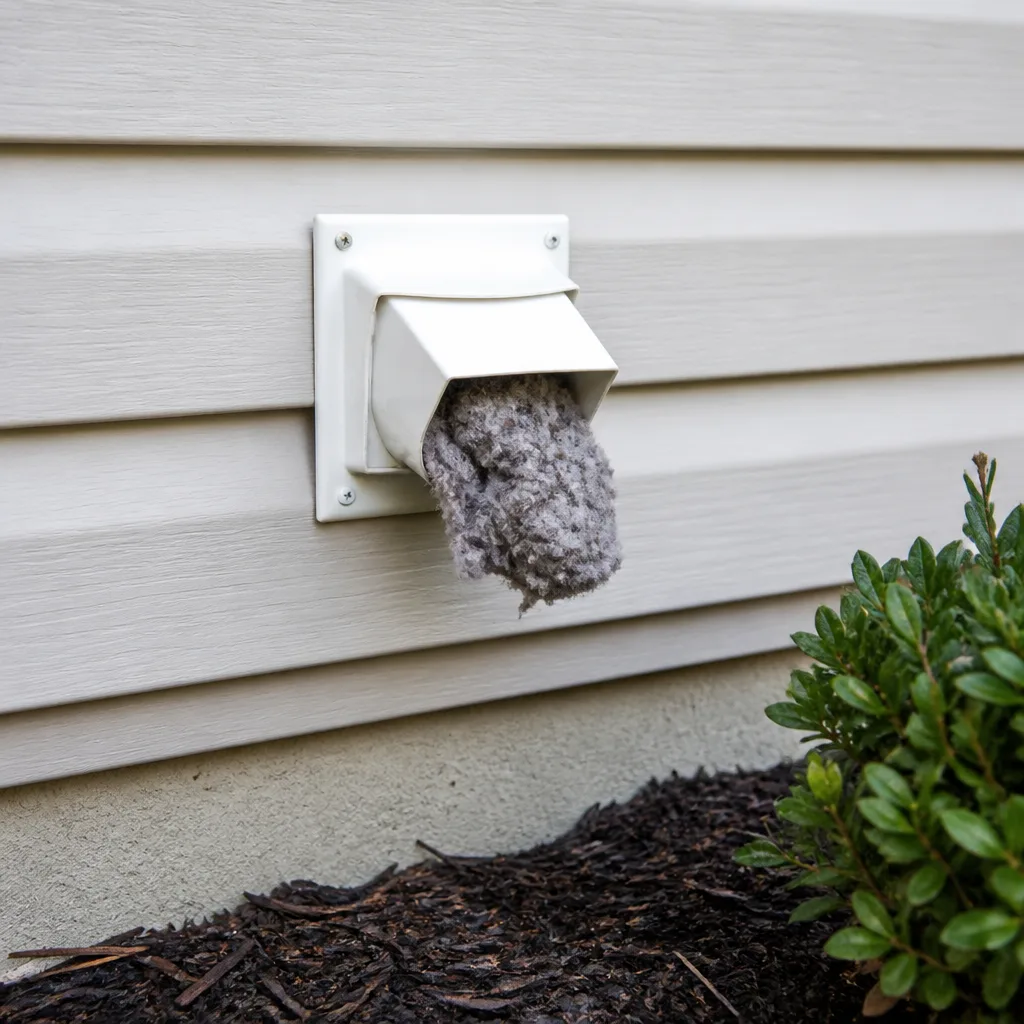 Dryer vent cleaning
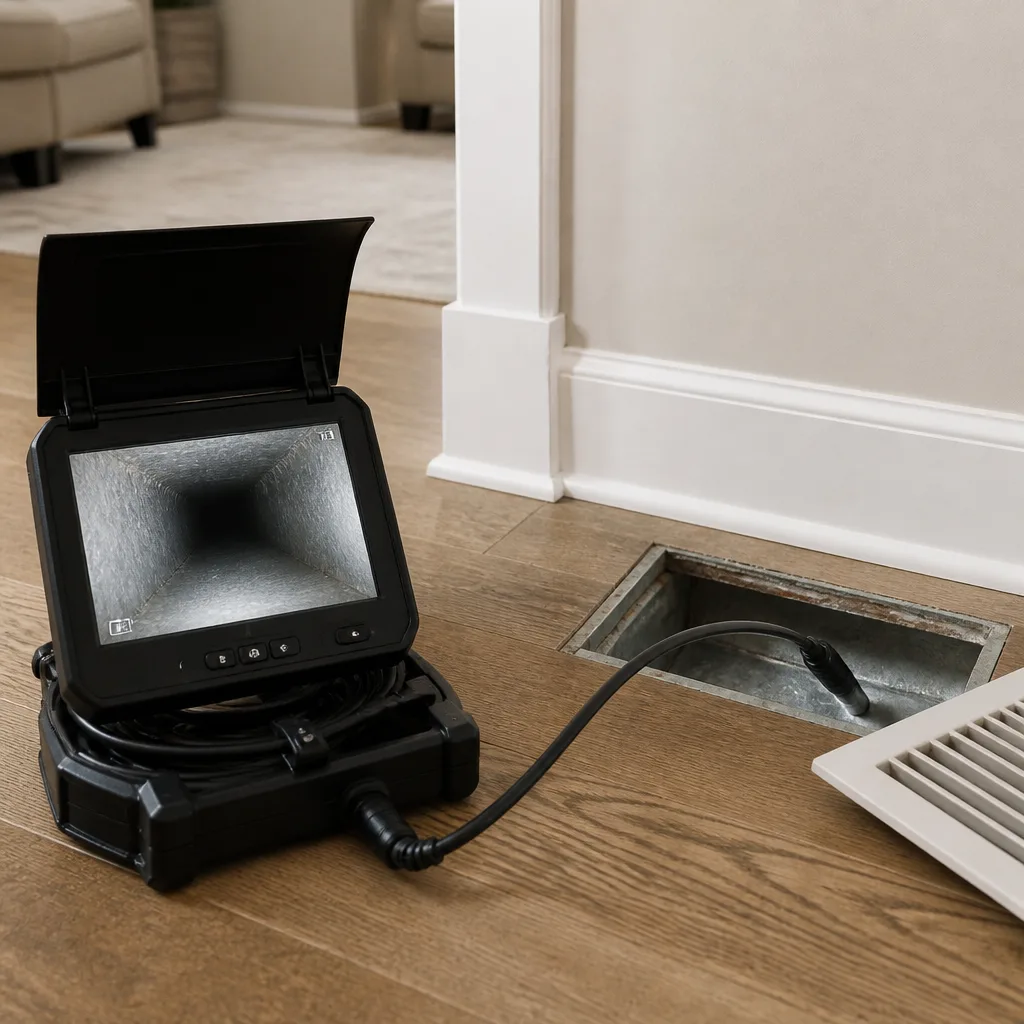 Camera inspection
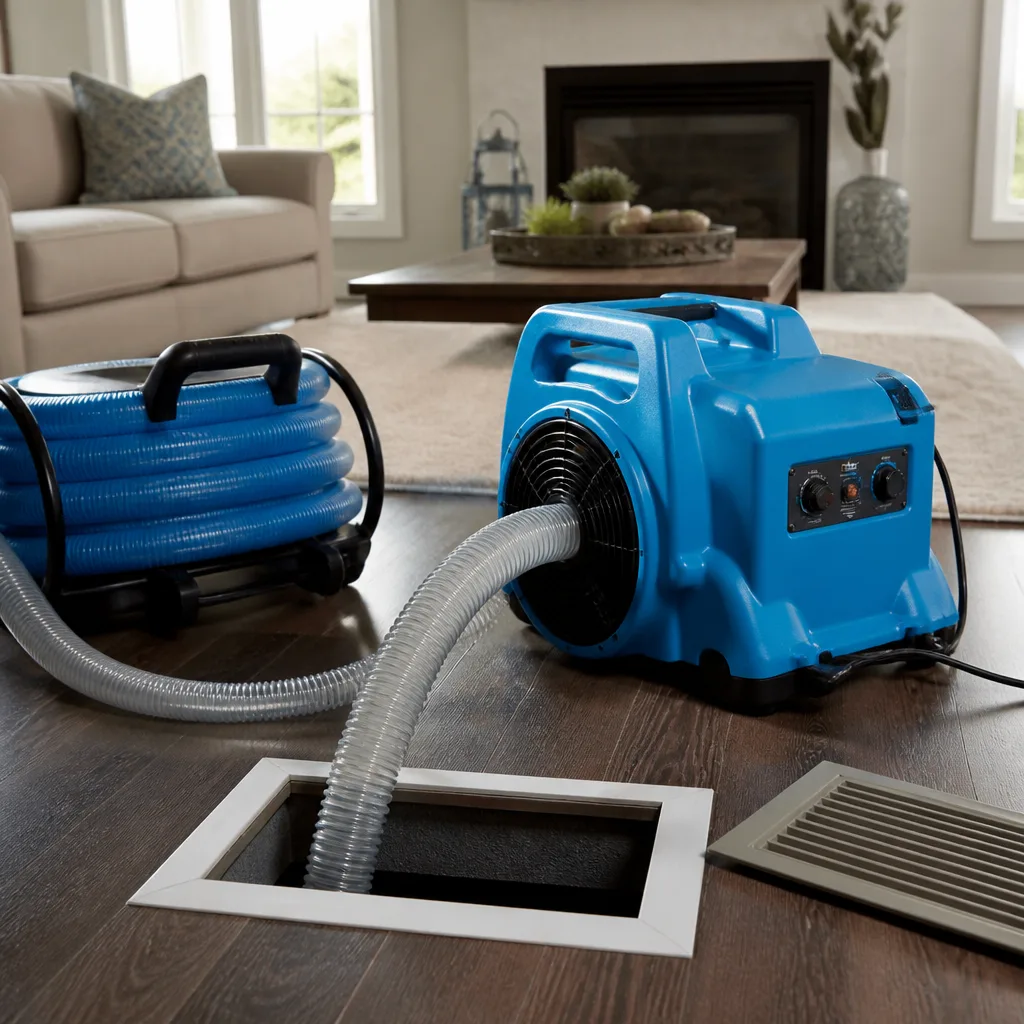 Sanitizing & deodorizing
Whole-system duct and dryer vent check with before-and-after photos - you see exactly what came out of your vents
That "$99 whole-house special" is a bait ad - the real number appears once they are in your hallway, or the "clean" is a shop-vac at the register. We photograph the inside of your ducts before and after instead.
The Complete Guide to Air Duct Cleaning in Antioch
Most duct cleaning crews in Antioch spend their time on the main trunk lines and call the job finished. The parts that actually hold the heaviest contamination – the return air plenum, the interior of each boot, and the blower wheel inside the air handler – often never get touched. That’s the gap between a cleaning and a real cleaning. This guide maps out a full residential duct system the way it’s actually built in Antioch’s tract housing, explains why the Delta breeze loads these ducts with fine particulate faster than most inland homes, and gives you a component-by-component checklist so you know exactly what you’re paying for before anyone shows up.
Quick Answer
A complete air duct cleaning in Antioch means source-removal cleaning of every component in the system – supply and return trunks, branch runs, boots, registers, the plenum, and the air handler cabinet – using negative-air containment and HEPA filtration, not just a vacuum wand passed over the accessible main lines. Most homes here need it every three to five years, sooner after a renovation or if a dryer vent has never been cleared.
Styles & brands we work with
- Whole-home duct cleaning
- Dryer vent cleaning
- Camera inspection
- Sanitizing & deodorizing
Table of Contents
- What a residential duct system in Antioch actually looks like
- Why the Delta breeze loads Antioch ducts faster
- What the NADCA ACR standard requires versus what budget cleaners do
- Equipment tiers: source removal versus contact vacuuming
- The complete cleaning checklist, component by component
- When cleaning turns into repair
- Your dryer vent is a separate fire risk
- What air duct cleaning costs in Antioch
What a Residential Duct System in Antioch Actually Looks Like
Most of Antioch’s housing stock dates from the 1990s through the 2010s – the era of tract development and flexible duct. That matters because the system layout you’ll find in a typical two-story home off Lone Tree Way or along the Hillcrest corridor is nothing like the rigid galvanized trunk-and-branch systems in older Bay Area houses. Here’s what’s actually in there:
- Air handler cabinet and blower wheel. The furnace or fan coil sits in a closet or garage. The blower wheel is a finned drum that picks up dust like a filter, and it’s the single most overlooked part of most cleanings.
- Return air plenum. The big sheet-metal box on top of or beside the air handler. It’s the dirtiest part of the system in most homes because all return air passes through it.
- Main supply trunk. Usually rectangular sheet metal running through the attic or along a soffit, distributing air to the branch takeoffs.
- Flex branch runs. The R-6 or R-8 insulated flex duct that snakes from the trunk to each room’s register. Twenty to thirty feet of corrugated plastic with a wire coil inside – and plenty of surface area for dust to settle on.
- Boots and register boxes. The short metal or plastic transitions that connect the flex run to the ceiling grille. These collect debris at the bottom because air slows down as it enters the room.
- Registers and return grilles. The face plates with louvers, which need to come off entirely, not just get wiped down.
In a three-bedroom Antioch home you’re usually looking at 12 to 20 supply runs, one or two main returns, and a system volume between 60 and 120 linear feet of ductwork. A crew that only touches the trunk lines is cleaning perhaps half of that surface area. The rest sits there, and every time the fan kicks on it stirs back into the airstream you’re breathing in the living room.
Why the Delta Breeze Loads Antioch Ducts Faster
Antioch sits where the Sacramento-San Joaquin Delta meets the eastern edge of the Bay Area, and the summer afternoon wind that funnels through the Carquinez Strait is a real, daily feature of life here. That breeze is a gift for the climate and a problem for your ductwork.
What the wind carries is fine particulate – dust, pollen from the surrounding foothills and agricultural areas, and whatever else it picks up crossing the delta. When it settles on the exterior of the house it stays put. When it gets pulled into a return grille, it coats the inside of the plenum, the blower wheel, and every flex run in the system. The Delta breeze effect also means Antioch homes see more airborne dust infiltration than the Bay Area average because the wind is consistent through the cooling season. During the summer the AC runs hard here, and the fan pulls a large volume of air through that dust-loaded system every hour.
Two practical consequences for Antioch homeowners:
- Filter changes matter more. If you’re on a 3-month filter schedule, move to every 60 days from May through September. A loaded filter forces the blower to work harder and pulls more of that fine particulate past the filter media into the ducts.
- The three-to-five-year cleaning interval is real here. Homes in the Antioch flatlands often need the full cleaning on the shorter end of that range, especially if there are pets or if anyone in the household has allergies.
We’ve opened returns in Antioch homes that sat at the bottom of that interval and found visible dust shadowing three-quarters of the way up the plenum wall. That’s not a scare story – it’s what a hot, windy, AC-heavy climate does to a residential system over four summers.
What the NADCA ACR Standard Requires Versus What Budget Cleaners Do
The NADCA ACR standard (Assessment, Cleaning and Restoration of HVAC Systems) is the industry’s accepted methodology. It’s the benchmark that separates a real duct cleaning from a guy with a shop vac in a pickup truck. Here’s the comparison that matters most for anyone in Antioch shopping for service:
- Source removal. ACR calls for removing the contaminant from the system – not just disturbing it into the air. That means negative-air containment with HEPA extraction plus mechanical agitation of the duct surfaces. A budget crew with a contact vacuum wand only loosens the dust; it doesn’t capture it.
- Whole-system scope. ACR defines the system as everything from the return grille to the supply registers – including the plenum, blower, coils, and boots. Budget cleaners routinely skip the air handler and the return plenum entirely.
- Documentation. ACR work is documented with before-and-after photos and a report on the system’s condition. Ask any cleaner to show you photos of your own ducts, before and after, not stock photos from their website.
- Containment during work. ACR requires containment so that the contaminants removed don’t spray back into the living space. Negative pressure is the whole point, and consumer-grade vacuums can’t generate it.
- Cleaning and inspecting the components that aren’t ductwork. Registers, grilles, and the air handler need to come off or open – not just get a visual pass.
What most budget cleaners do in practice: one pass down the main trunk lines with a shop-grade vacuum and a rotating brush, no containment, no HEPA, no photos, and no work on the plenum or blower. That’s not a violation of ACR – it’s simply not ACR work. When a quote comes in dramatically below the local average, that gap in scope is invariably why.
Equipment Tiers: Source Removal Versus Contact Vacuuming
Duct cleaning equipment isn’t one thing. There are essentially two tiers, and the tier matters more than the price.
Consumer-grade and contact vacuum wands
This is the shop-vac tier. A technician pushes a hose or brush into each register and pulls out what it can reach. The problem is physics: consumer vacuums can’t create source-removal pressure, so most of what gets loosened stays in the system or drifts into the living space. No HEPA filtration means the exhausted air goes right back into the room. There’s no containment, no negative pressure, and no documented proof of what came out.
Professional source-removal systems
This is what a real cleaning uses. The layered approach that we rely on involves three systems working together:
- Rotobrush agitation. A rotating brush whip that travels inside the duct and mechanically loosens the bonded dust from the flex and metal walls. Without agitation, the contamination just sits there.
- Nikro HEPA extraction. A high-volume HEPA vacuum pulls the loosened material out of the system and filters the exhaust at high efficiency, so what leaves the vacuum is clean air – not redistributed dust.
- Abatement Technologies negative-air filtration. A containment-grade air filtration unit keeps the work area under negative pressure during the job, capturing any escape particulate. This is the same class of equipment used in remediation and commercial work, and it’s why a professional job doesn’t smell like a dust cloud when it’s underway.
We use Rotobrush, Nikro, and Abatement Technologies systems because a residential duct system is not the place for consumer-grade tools. The difference is measurable in the photos – the flex run that comes out clean and bright instead of shadowed with fine gray dust. That’s the standard that a cleaning should be held to, and it’s a fair question to ask any company you’re considering: what does your equipment stack look like?
The Complete Cleaning Checklist, Component by Component
Here’s the checklist a full system cleaning should cover in an Antioch home. Use it to compare quotes and to verify the work when the crew finishes.
- Protect the work area. Floor protection and containment at every open register so debris doesn’t migrate through the house.
- Set up negative air. HEPA filtration unit running before any agitation begins, keeping the system under containment-grade pressure.
- Remove and clean all registers and return grilles. Face plates off, washed, and set aside – not wiped in place.
- Agitate and extract every supply branch. Every flex run, from trunk takeoff to boot, gets the brush and the HEPA extraction.
- Clean the main supply trunk. Brush and extraction down the full length, not just the accessible ends.
- Clean the return trunks and the return air plenum. This is where the heaviest contamination typically lives, and it’s the step most budget crews skip.
- Open the air handler cabinet. Clean the blower wheel and check the evaporator coil for dust load – both affect system efficiency more than the ducts themselves.
- Clean the boot interiors and register boxes. The vertical transitions that connect the branch to the ceiling grille; dirt collects at the bottom of the boot by design.
- Document everything. Before-and-after photos of each section, and a written condition report on the system, with any damage noted. Flex duct that’s torn, kinked, or pinched is common in the 1990s-to-2010s housing here, and it should be flagged.
- Reinstall registers, confirm seal, and run the system. Verify airflow at each register and confirm no construction debris is left in the cabinet.
If a quote you get describes fewer than these ten steps, ask why. The difference between a real cleaning and a partial one is exactly the parts of this list that get dropped.
When Cleaning Turns Into Repair
One thing a lot of duct cleaning companies don’t advertise: cleaning can reveal damage that cleaning alone won’t fix. In Antioch’s tract housing, flex duct runs are the usual suspects. Torn insulation jackets, duct runs that were pinched during installation, sagging flex sagging across a truss, and disconnected or loose takeoffs at the trunk are all common discoveries once the system is opened up.
When we find damaged runs, we repair them rather than clean around them. Our air duct cleaning work includes repair for the components we uncover – it’s part of the same service visit and part of the same system integrity. That’s unusual in this trade; most cleaners stop at cleaning and hand you a list of things to call somebody else about. If your system is leaking 20 percent of its conditioned air into an attic because of a disconnected flex takeoff, the cleaning isn’t finished until the leak is closed.
What we look for on every job:
- Flex duct that’s torn, crushed, or kinked at a bend
- Exposed inner core with no insulation jacket remaining
- Loose or disconnected connections at the trunk, boot, or air handler
- Restrictions from collapsed runs in the attic
- Air handler cabinet leaks that pull attic air into the system
If the repair requires a component we don’t handle – like a failing evaporator coil – we’ll say so plainly and recommend a licensed HVAC technician. Guardsman components come up often at register and equipment connections, and we keep those recommendations documented in our report so you know exactly what was fixed and what needs a specialist’s attention.
Your Dryer Vent Is a Separate Fire Risk
Most people think of dryer vent cleaning as a bonus service – something a duct cleaner offers if you ask for it. We treat it differently, because it’s a fire hazard reduction service, not a postscript.
Lint is highly flammable, and the vent run behind your dryer is the one place in the house where lint accumulates in volume. A dryer vent that’s never been professionally cleared is a real risk, not a theoretical one. If you’ve lived in your Antioch home for years and never had the vent cleaned, it’s due. If your dryer takes noticeably longer than it used to, or the exterior flapper doesn’t open fully during a cycle, or the drum gets hot enough to feel uncomfortable, those are signals worth acting on.
We clean the full vent run – from the dryer connection point through the wall penetration to the exterior termination – with the brush and extraction tools. We don’t just run a snake, we extract the lint and photograph the result. If your vent run exits through the roof or terminates in a way that’s difficult to reach, we’ll tell you before we start.
Dryer vent cleaning is a distinct service, and we offer it as one. It’s part of the same home safety picture as clean air ducts – from the air handler to the exhaust termination, the goal is moving air and not allowing a buildup to become a problem.
What Air Duct Cleaning Costs in Antioch
Typical pricing for a full system cleaning in Antioch runs in a broad range, and it depends on the size and complexity of the system. For a three-bedroom single-story home, you’re usually at the lower end of that range. A two-story home with 20-plus branches, a second air handler, or significant repair work pushes toward the higher end. Those figures are estimates only – the written estimate you receive is what sets the final price, and it’s provided free before any work starts.
One flat price per system is the standard we work to, not a per-vent figure. That distinction matters: a per-vent price encourages a cleaner to cut corners on the components that don’t count as vents – the plenum, the blower, the boots – and to undercount or overcount depending on which way the wind blows. A whole-system price prices the system, not the count.
If you want a real number for your house, call (877) 212-3243. We answer 24/7, and the estimate is free. Fast dispatch from 7am to 7pm, Sunday through Friday.
Common Mistakes to Avoid
- Booking on a teaser price. The coupon price at the front of the ad is not the price you’ll pay. Ask for a written, itemized estimate before anyone comes out, and make sure it covers the return plenum and the air handler. If a quote is dramatically below the local range, the scope is almost always correspondingly smaller.
- Letting the crew skip the air handler. The blower wheel and plenum are usually the dirtiest parts of the system and the most commonly skipped. Ask during the scheduling call whether they’ll be opened and cleaned. If the answer is vague, keep calling.
- Accepting “we cleaned it, you can trust us” with no photos. Before-and-after photos of your own system are the only proof that the work happened. Any professional duct cleaning should include them as part of the report.
- Wiping the registers but not cleaning behind them. Registers are the visible surface; the dust lives in the boot and the branch run behind the grille. Cleaning the register face only makes the system look better, not work better.
- Waiting too long after a remodel. Renovation dust is fine, heavy, and settles in every branch of the system. After a kitchen or bathroom remodel or finishing a garage, schedule the cleaning promptly – not a year later.
- Never cleaning the dryer vent. It’s a separate system and a separate service, and lint accumulation in the vent is a genuine fire risk. Getting the ducts cleaned doesn’t automatically cover the dryer vent.
- Changing filters too rarely. In Antioch’s windy, dusty summers, 90-day filter changes are too infrequent. Every 60 days through the cooling season is a better habit, and it makes the cleaning last longer.
- Cleaning once and assuming it’s done permanently. A cleaning resets the clock, but the Delta breeze keeps loading the system. Figure on three to five years between cleanings for a house in Antioch, not a lifetime.
See the difference
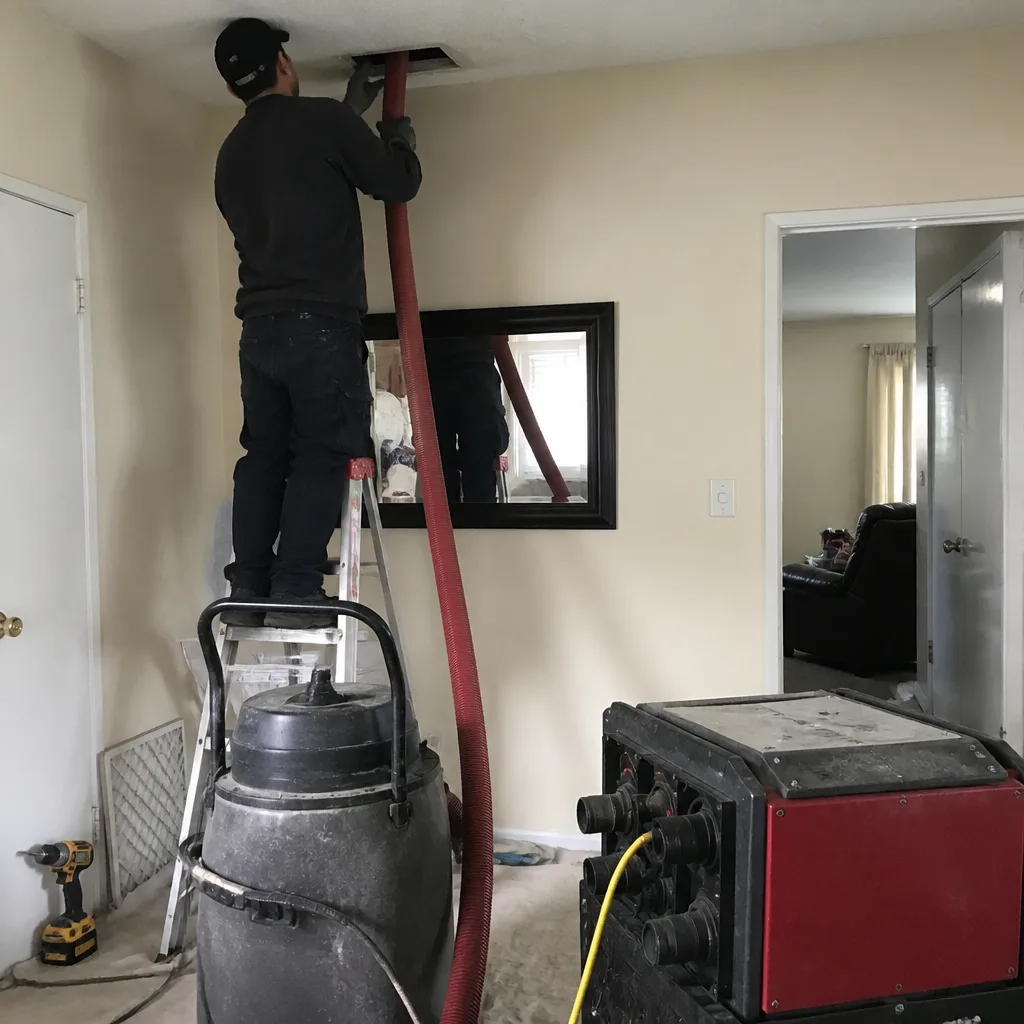 Before
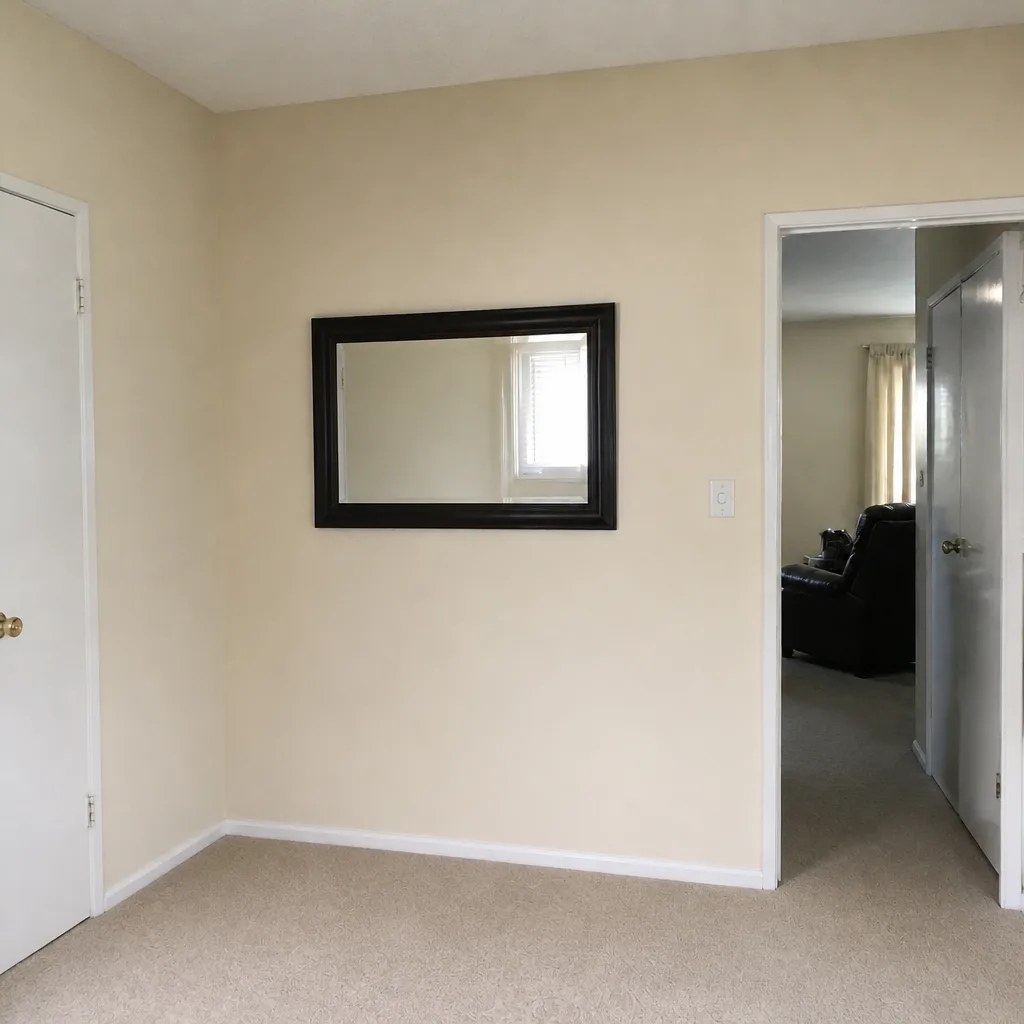 After
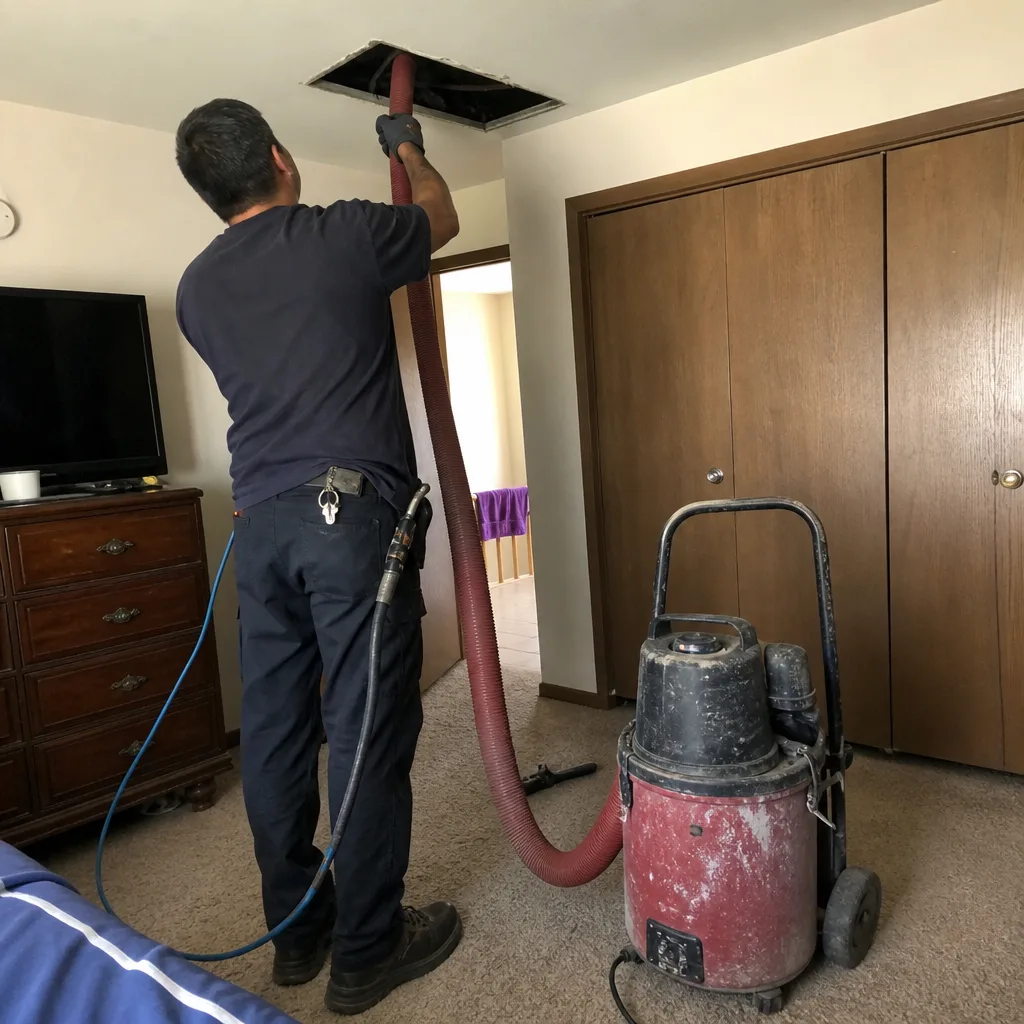 Before
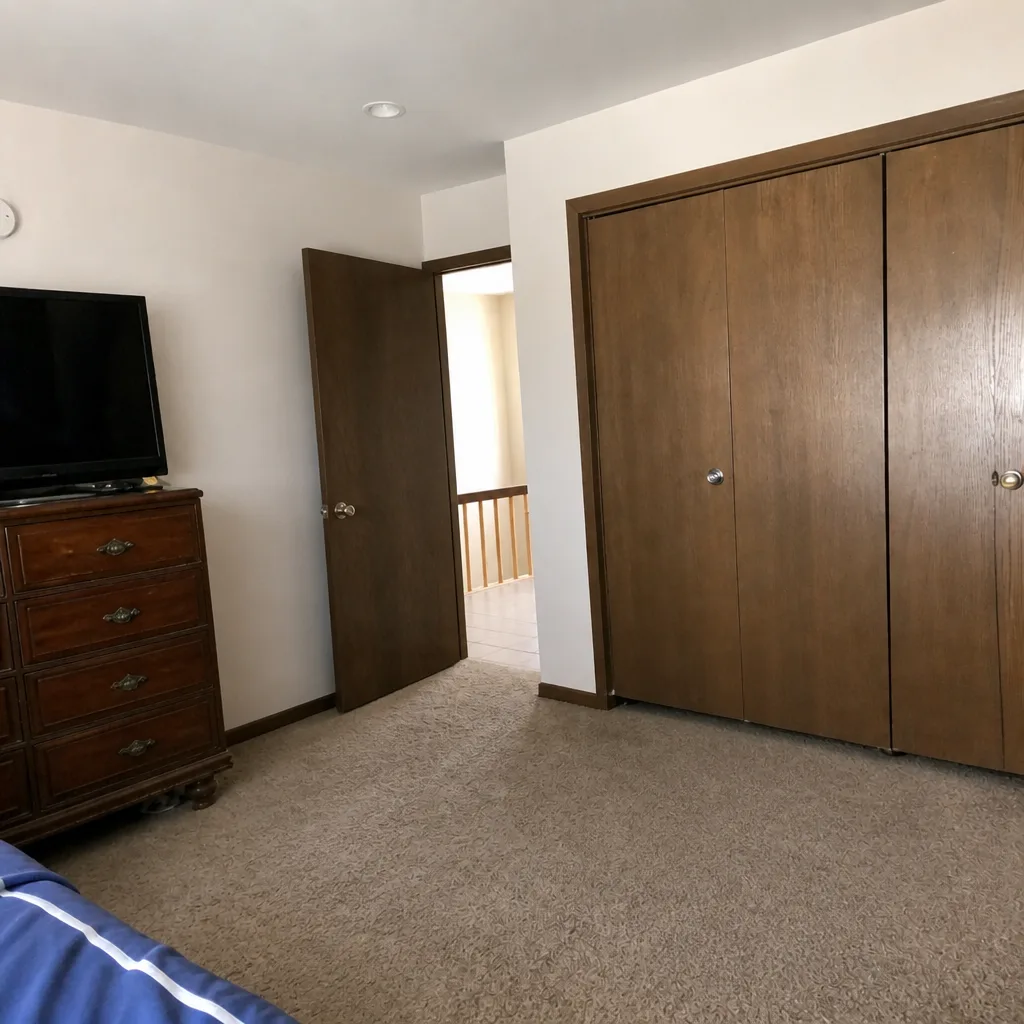 After
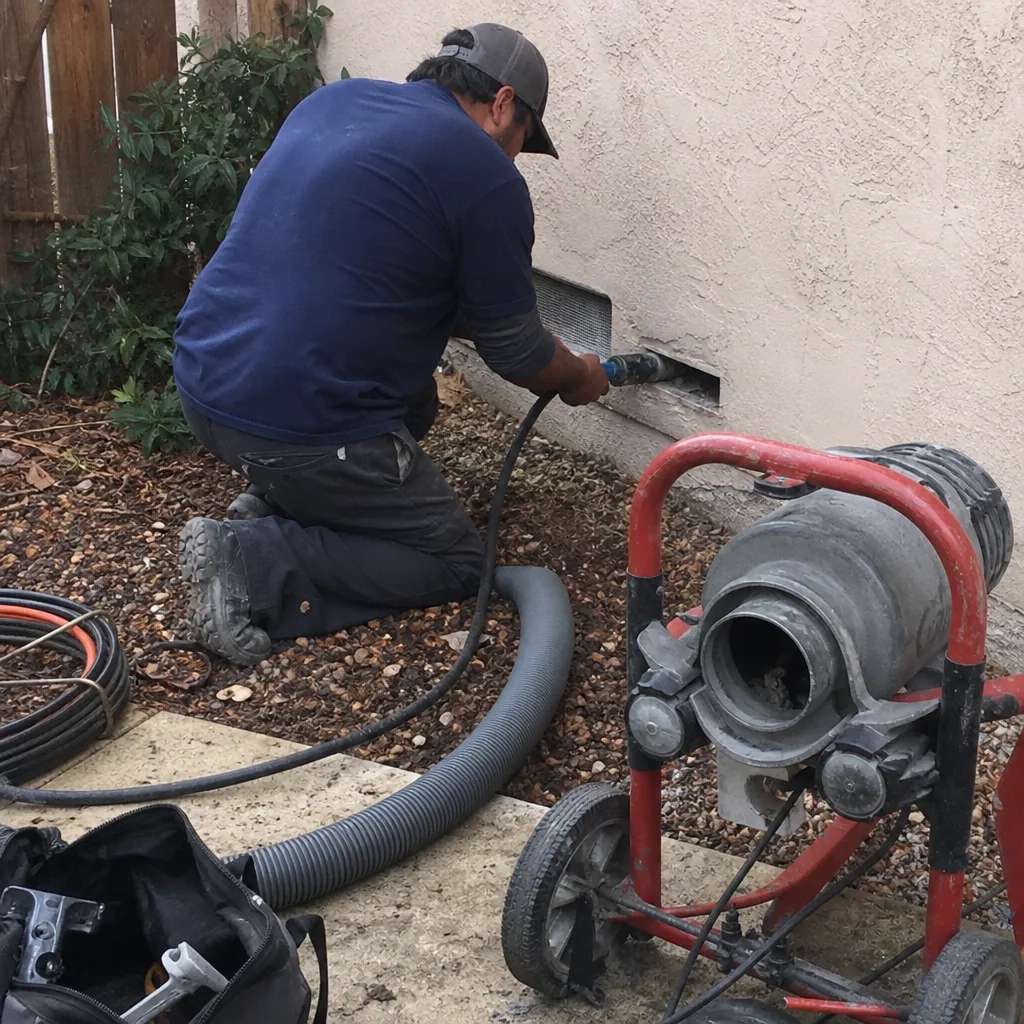 Before
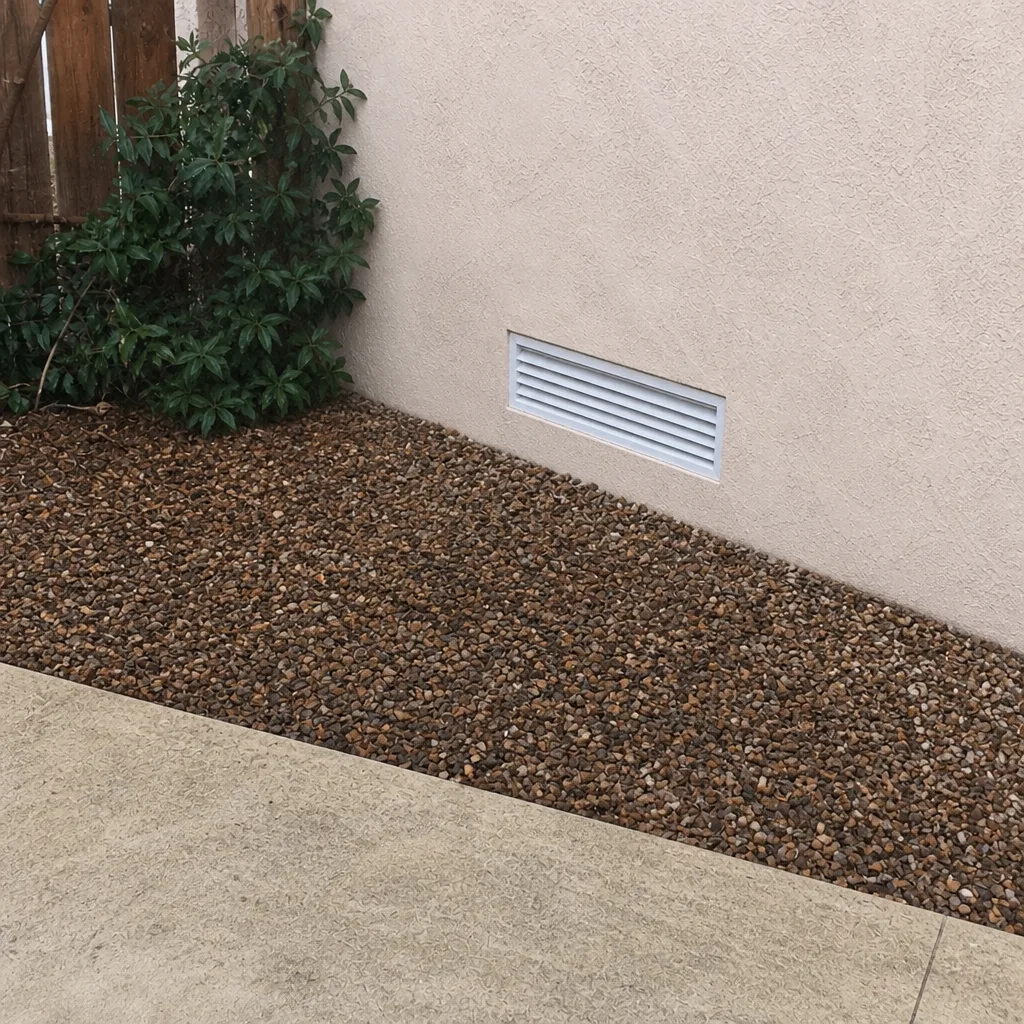 After
When to Call a Professional
Some duct issues are fine to observe from the register; others need a professional. Call us when:
- You’ve never had the ducts cleaned in a home you’ve owned for several years, or the home’s history is unknown.
- You’ve recently finished a renovation and the return grilles are visibly dusted up.
- A family member’s allergies or asthma are worse than usual indoors.
- You notice visible dust streaks or debris at any register when the system runs.
- The air handler is making noise, airflow at some registers is weak, or one room won’t cool like the rest.
- Your dryer vent has never been cleared or the dryer is taking much longer to dry loads.
We offer free estimates in Antioch. Our technicians have up to 8 years of experience, and we use professional-grade equipment from Rotobrush, Nikro, and Abatement Technologies – not shop-tier tools. Call (877) 212-3243. We answer 24/7.
Frequently Asked Questions
Most full-system cleanings in Antioch land in a broad range, and the exact price depends on system size, number of branches, and whether repair work is needed. Cheap quotes you see advertised are usually partial cleanings, not full ones. Ask for a free written estimate that covers the return plenum, blower wheel, and all branches. Call (877) 212-3243 for an exact quote – estimates are free.
Every three to five years for a typical home. Antioch’s Delta breeze pushes more airborne dust into returns than most inland areas, so homes here often need the cleaning on the shorter end of that range.
Scope. A budget quote usually covers a single pass down the main trunk lines only, without negative-air containment, without HEPA filtration, and without touching the plenum or blower wheel – the two dirtiest parts of the system. A full ACR-standard cleaning is a different job and priced accordingly. If two quotes are wildly apart, ask each one which components they’re cleaning. Call (877) 212-3243 for a free estimate that spells out scope line by line.
Before-and-after photos of your own system, plus a written condition report on any damage found. Any professional cleaning should provide both without being asked. If a crew finishes and can’t show you photos, the work isn’t documented.
Yes, when the system is actually cleaned. The improvement comes from removing the dust, pollen, and fine particulate that the Delta breeze has been delivering into the return and branch runs over several seasons. A partial cleaning that skips the plenum and boots won’t deliver the same relief.
Yes, as a dedicated fire-safety service, not a bundled add-on. The full vent run gets cleaned and documented. If your dryer vent has never been professionally cleared, it’s worth doing on its own, independent of a duct cleaning. Reach out for a free estimate at (877) 212-3243.
The Bottom Line
Airtight air isn’t the goal – a clean system is. In Antioch, that means cleaning from the return grille all the way through the plenum, blower wheel, main trunks, every flex branch, and each boot – not just the accessible trunk lines. The Delta breeze and the 1990s-to-2010s tract housing stock here make partial cleanings especially ineffective, because there’s simply too much surface area left untouched. Use the component checklist in this guide to compare quotes. Insist on before-and-after photos. And treat the dryer vent as a separate safety item. For a free estimate on air duct cleaning, call (877) 212-3243. We answer 24/7. Fast dispatch from 7am to 7pm, Sunday through Friday.
One more note for anyone searching for dryer vent cleaning separately from duct work: it’s a different service with a different risk profile, and it’s worth scheduling if your vent run has never been cleared. If you want to understand the full picture for homes in this area, our Antioch resource covers the local climate and housing context, and the Duct Cleaning Antioch team can work through any of the three services with you.
Written by the team at Duct Cleaning Antioch.