
Last updated November 15, 2026
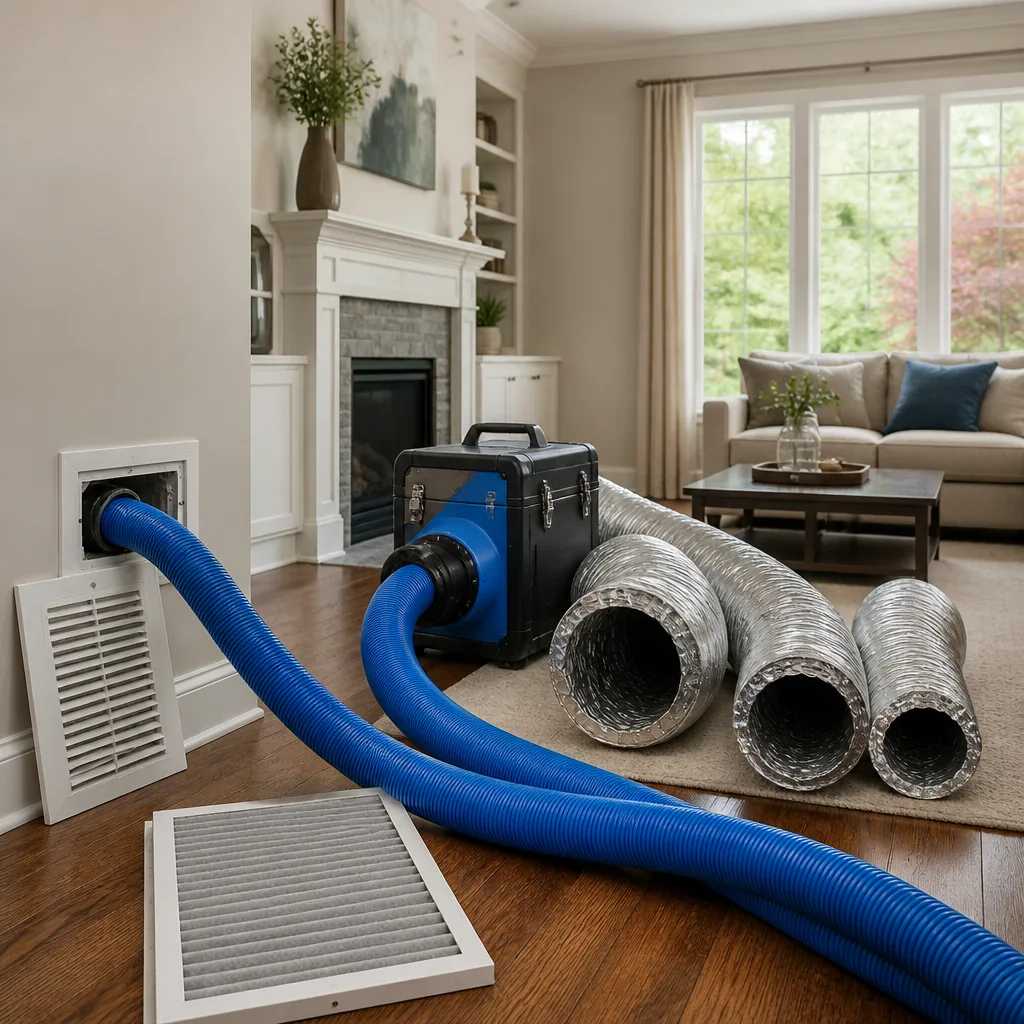 Whole-home duct cleaning
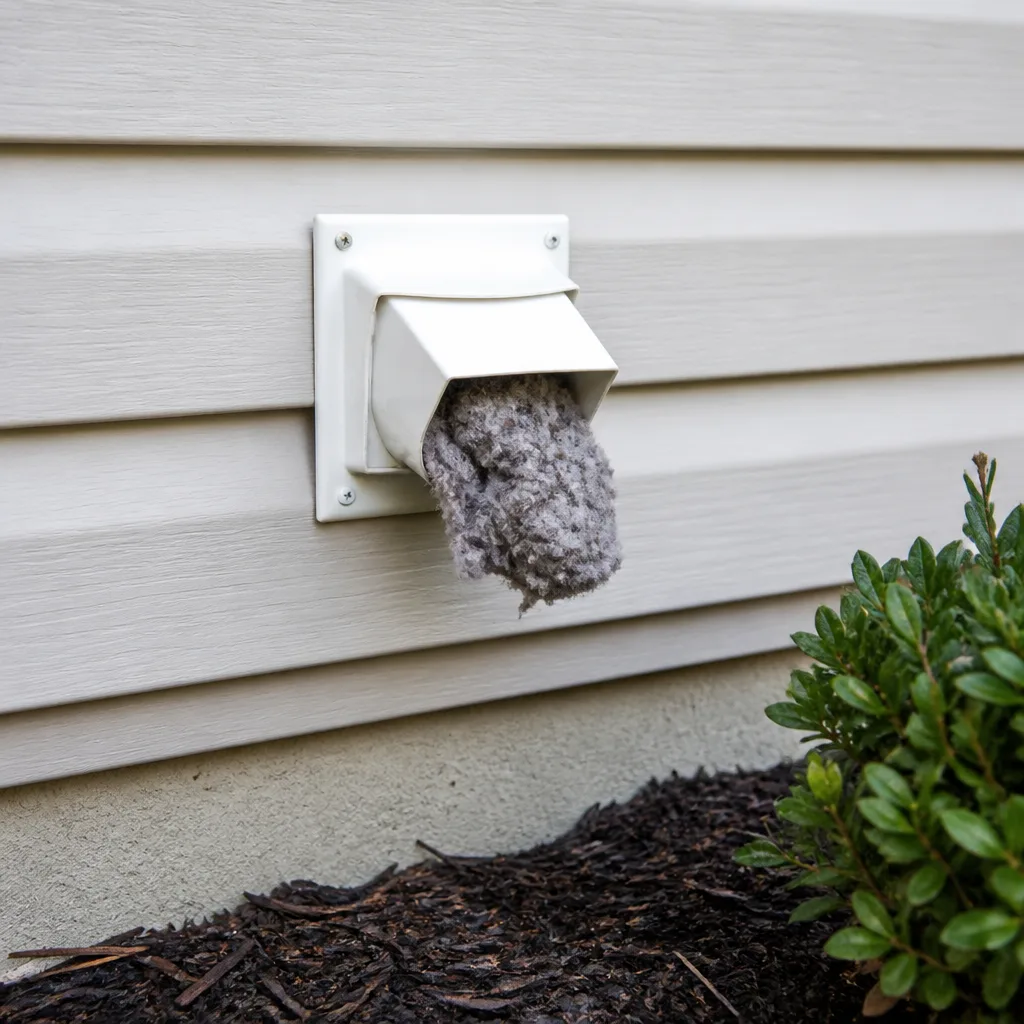 Dryer vent cleaning
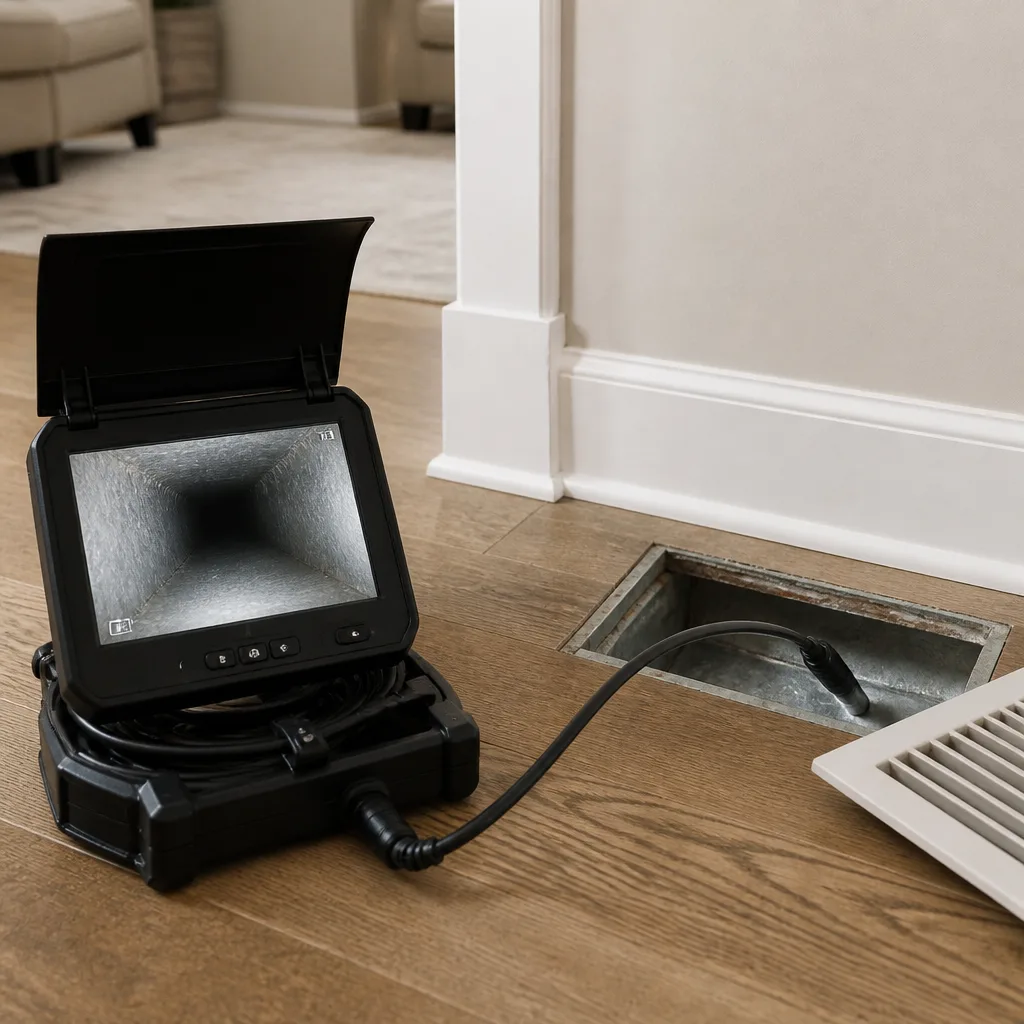 Camera inspection
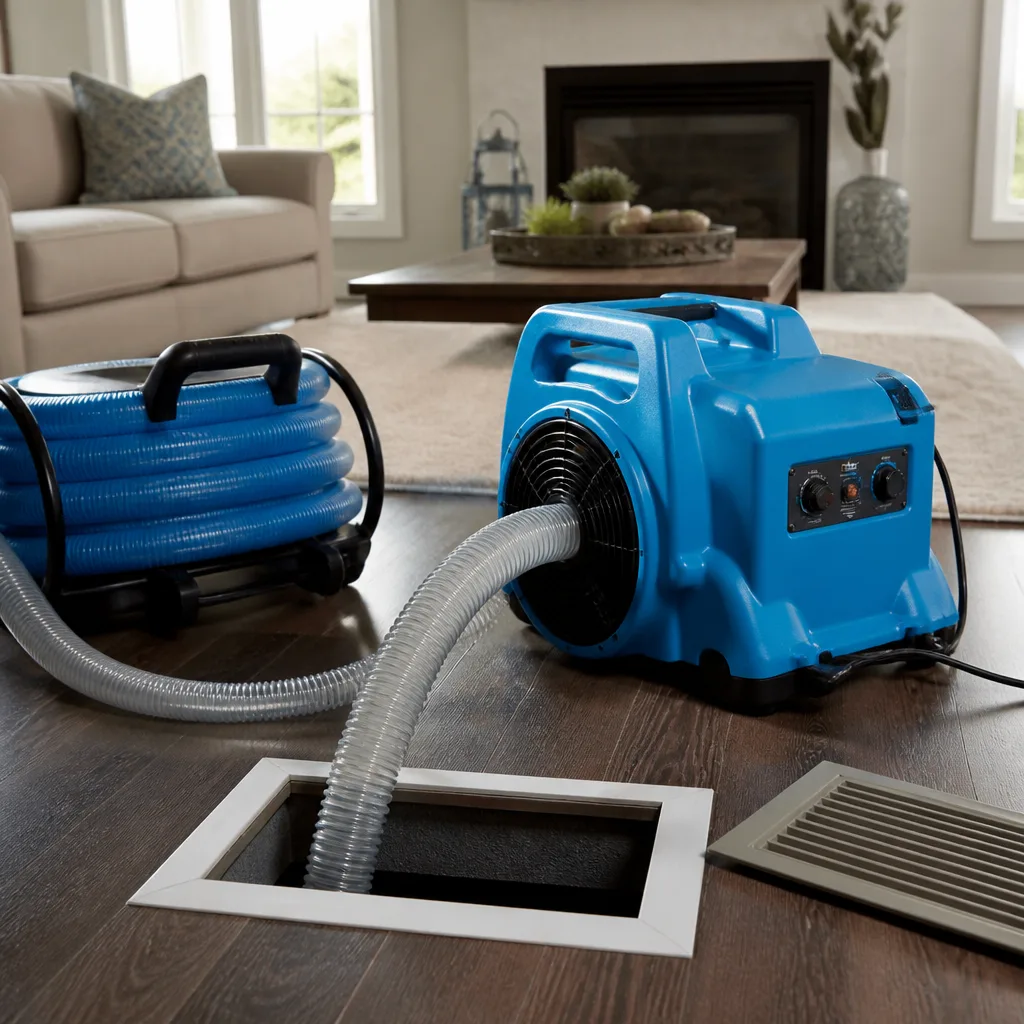 Sanitizing & deodorizing
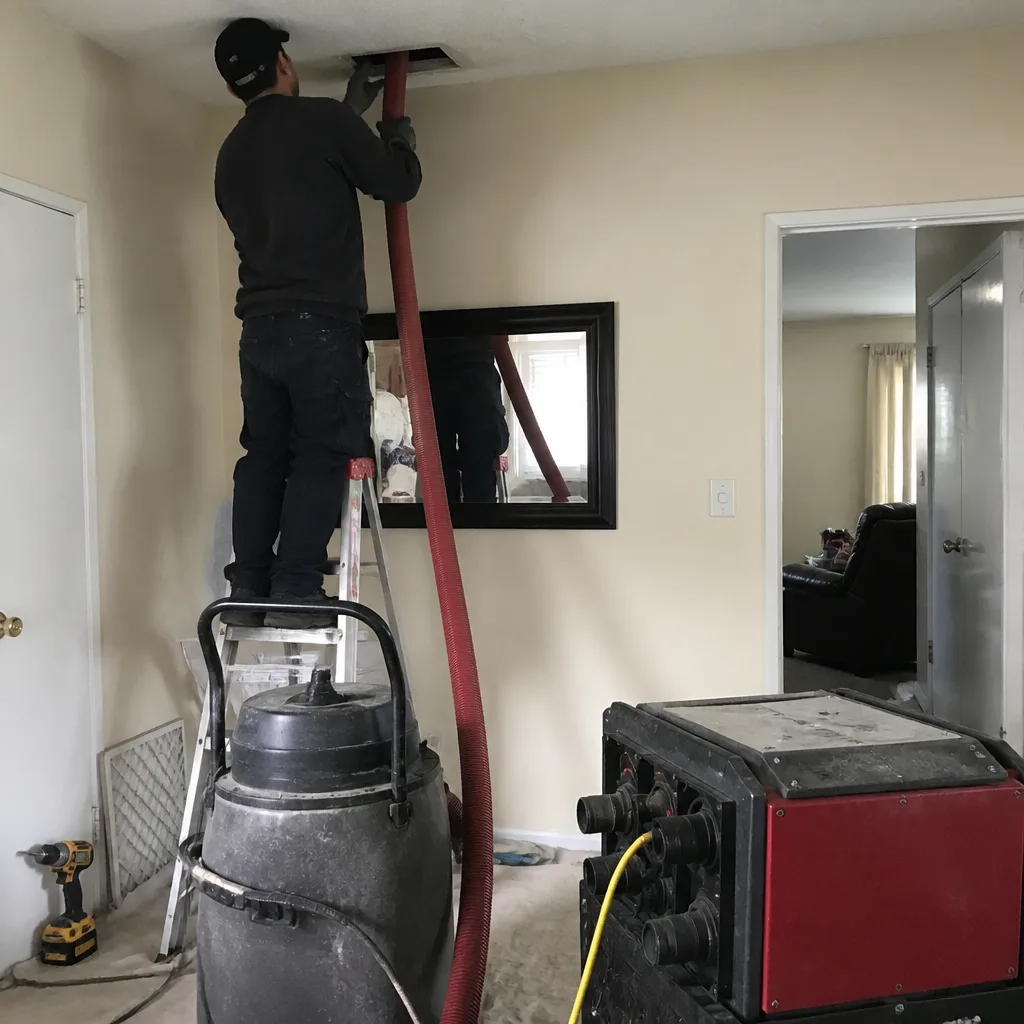
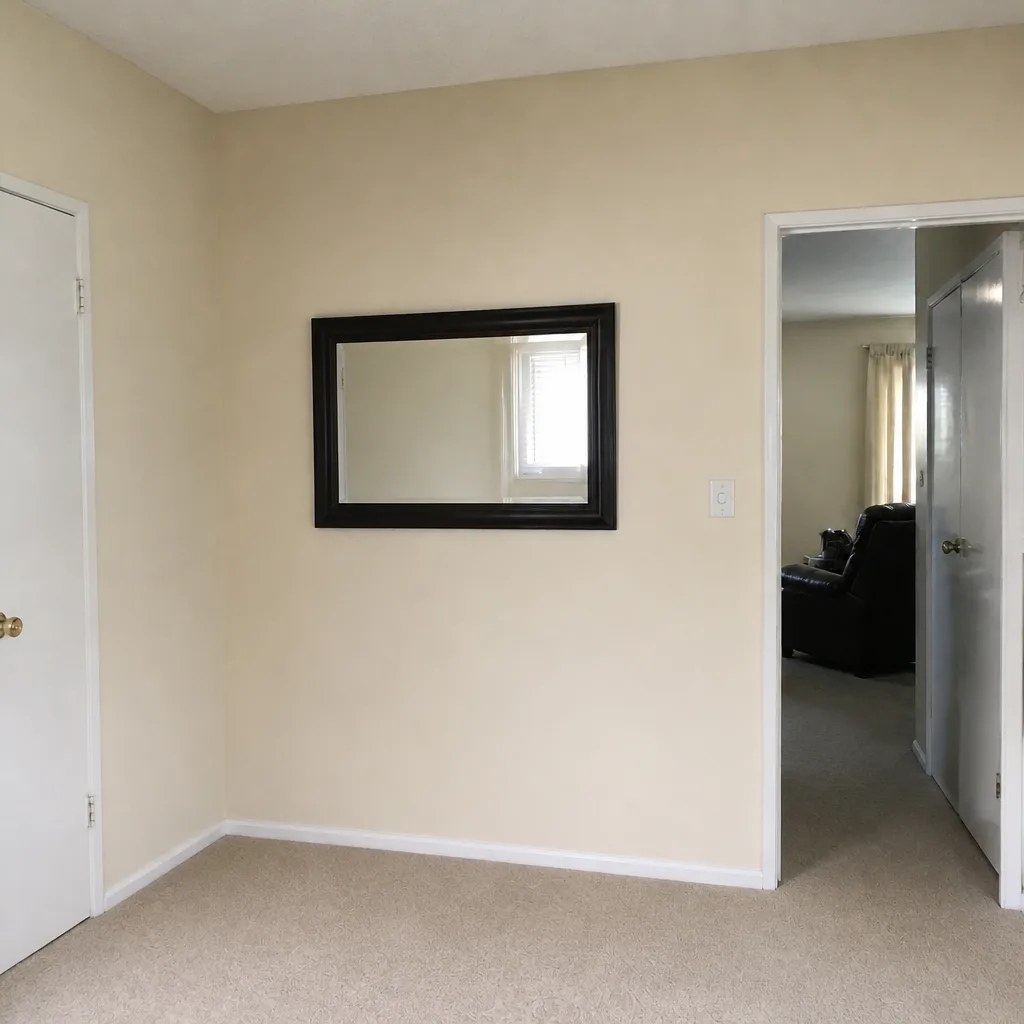
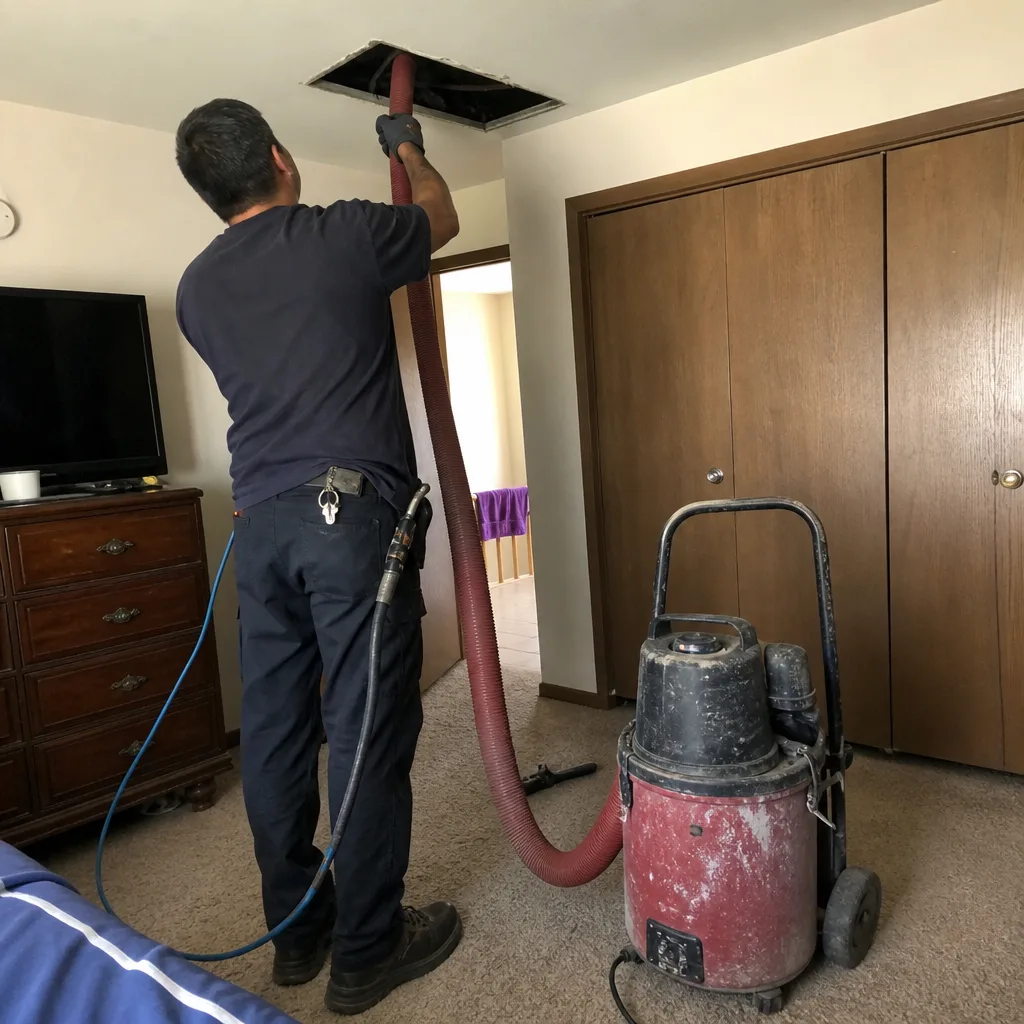
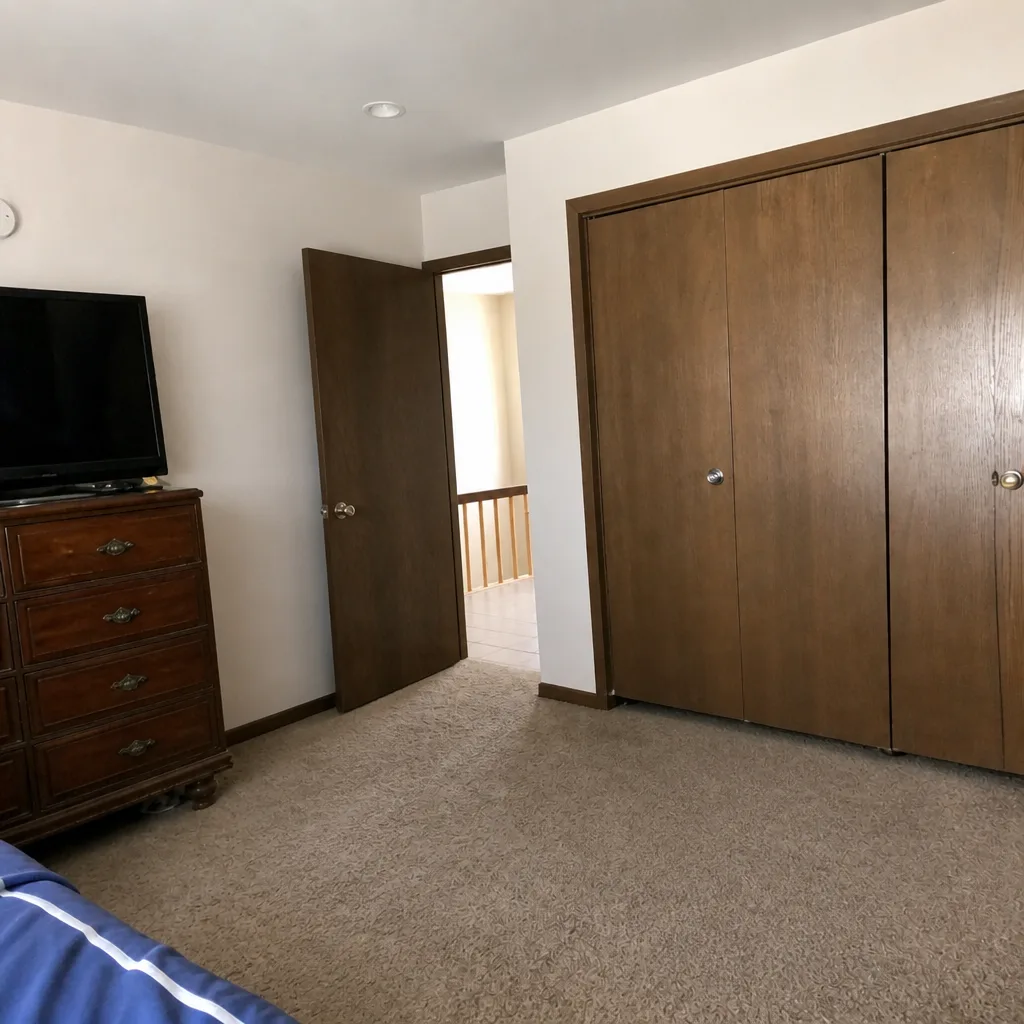
Whole-system duct and dryer vent check with before-and-after photos - you see exactly what came out of your vents
That "$99 whole-house special" is a bait ad - the real number appears once they are in your hallway, or the "clean" is a shop-vac at the register. We photograph the inside of your ducts before and after instead.
Air Duct Cleaning Maintenance Checklist for Antioch Homeowners
The filter you installed after your last duct cleaning may be the reason your ducts are dirty again. That sounds backwards, so it’s worth explaining: a high-MERV filter that your blower can’t pull air through doesn’t clean better, it starves the system for air and forces it to draw unfiltered air through every gap at the filter rack and every loose joint downstream. The result is a system that re-contaminates faster than a house running a cheap filter that actually fits and flows. A professional cleaning is one event. What you do between visits decides whether that cleaning holds for three years or three months. This checklist covers the monthly, quarterly and annual tasks that actually matter for an Antioch home, how to inspect your own registers without special tools, and how to tell a failing duct seal from ordinary dust before it costs you a second cleaning.
Quick Answer
A workable air duct maintenance routine for an Antioch home means checking and changing your filter on a schedule tuned to wildfire season, visually inspecting supply and return registers monthly, watching for seal and flex-duct failures at accessible joints, and keeping a written log of dates and filter ratings. A professional cleaning handles what you can’t reach. The between-visit work is what keeps that cleaning effective.
Styles & brands we work with
- Whole-home duct cleaning
- Dryer vent cleaning
- Camera inspection
- Sanitizing & deodorizing
Table of Contents
- Why Antioch’s Climate Sets Your Duct Schedule
- Filter Selection: MERV Ratings and the Bypass Problem
- The Monthly Checklist
- The Quarterly Checklist
- The Annual Checklist
- How to Inspect Registers and Seals Yourself
- Building a Duct History Log Your Technician Can Use
- Common Mistakes to Avoid
- When to Call a Professional
- Frequently Asked Questions
Why Antioch’s Climate Sets Your Duct Schedule
Antioch runs on two seasonal pressures that most generic duct-cleaning advice ignores. Summer is hot and dry, and the Sacramento-San Joaquin Delta influence keeps things breezier than the inland valleys further east, but that dry heat means months of near-constant air conditioner runtime. Then wildfire smoke season arrives, and the smoke doesn’t respect closed windows. It finds its way into the return, and the return feeds everything.
Winter here is wet and mild. That matters less for freezing and more for moisture management. A wet season after a long dry season is exactly the pattern that pushes dust, pollen and smoke residue that’s been sitting in registers and flexible duct into the airstream when the system ramps back up.
Our technicians have up to 8 years of experience working in Antioch homes, and the pattern is consistent: the houses that stay clean longest are the ones whose owners adjust their filter and inspection habits to the season instead of setting a calendar reminder and forgetting it. If you’re on the water side of town or in the hills above the freeway, wind exposure changes how fast registers load up. Homes closer to open ground collect more dust in the return grille during the dry months.
The practical takeaway: in Antioch, the heaviest re-contamination windows are late summer into fall (smoke and dust) and the first cool weeks of the wet season (everything that settled gets picked back up). Your checklist should get more attention in those two periods than it does in the middle of spring or the mildest part of winter.
Filter Selection: MERV Ratings and the Bypass Problem
Most homeowners treat MERV as a “higher is better” number. It isn’t. MERV measures filtration efficiency at the filter, but it says nothing about how much resistance that filter adds to your specific blower. A filter your system can’t pull air through creates a pressure drop, and that pressure has to go somewhere. It goes around the filter.
That leakage path is called bypass. Bypass happens at the filter rack edges, at a poorly seated filter that doesn’t fill the slot, at a filter frame with worn gasketing, and at any gap between the filter and the return duct. Unfiltered air takes the path of least resistance, which is always around the filter rather than through it. Every bit of air that bypasses the filter carries its dust straight into your evaporator coil and down the supply runs. That’s re-contamination in its purest form, and it can be worse than running a filter of a lower MERV that fits properly.
A few working guidelines for Antioch homes:
- Standard 1-inch filter slots are usually the limiting factor. Thick media filters in a thin slot choke airflow. Match filter depth to the slot, not to the box’s specs.
- Higher MERV is only worth it when the filter seats fully and the blower has the static pressure headroom to handle the restriction. If the system gets loud or runs longer after a filter change, that’s a pressure signal.
- April air and similar media cabinets built for a wider filter hold a higher-MERV filter with far less restriction than a 1-inch slot. That’s the upgrade path that actually works.
- Wildfire season is when a higher-MERV filter earns its keep, but only if the housing seals. A cheap filter that fits beats a premium filter that leaks.
When we look at filtration as part of a whole-system approach, we recommend Honeywell and Aprilaire product lines for exactly this reason: proper housing geometry means the filter you choose actually gets used by the system instead of being bypassed around. If your filter rack has a visible gap at the edge of the filter, that’s the first thing to fix. Not the MERV rating.
The Monthly Checklist
Monthly tasks are light and visual. The point is catching early buildup before it crosses into “needs a full cleaning” territory. In Antioch, the hottest and smokiest months deserve a slightly longer look than the mild ones.
- Check the filter visually, don’t just look at the calendar. Hold it up to a light source. If you can’t see light through more than half its surface area, replace it regardless of how many weeks it’s been in. Wildfire smoke months will burn through a filter faster than a “change every 90 days” rule implies.
- Look at your supply registers with a flashlight. No special tools. Dust on the grille surface is normal. Streaking or visible dust trails inside the register throat mean airflow is carrying buildup into that run.
- Check the return grille for lint, pet hair and debris. Returns collect the most. Vacuum the grille face when it’s visibly loaded.
- Listen for changes in airflow. Whistling at a register, a system that seems to push less air than last month, or a return that feels weak are all worth noting in your log.
- Look at the filter housing for dust “witness marks.” Dust streaks along the edge of the filter slot suggest air is bypassing around, not through. Fix the fit before changing MERV.
- Sniff the return. A musty smell at the return grille is a humidity or moisture issue in the system. Worth noting, worth investigating.
None of these take more than ten minutes total. Do it once a month and the first time something changes, you’ll have a baseline to compare against. That’s the real value.
The Quarterly Checklist
Quarterly work digs a little deeper. If you clean ducts in Antioch on a multi-year schedule, these are the checks that carry you between visits.
- Replace the filter on schedule. Adjust the interval by season. Spring and fall may hold a full quarter. Late summer and the peak of wildfire smoke season may warrant a change every 4 to 6 weeks.
- Vacuum register faces and grilles. Use a brush attachment on the supply grilles. Pay attention to the return grate, which loads up faster.
- Check accessible duct joints for seal failure. If you can see the duct runs in the attic, garage or a mechanical closet, look at the mastic and tape at each joint. Cracked mastic and lifting tape are the earliest signs a seal is failing. A flex duct that has pulled loose at a collar will dump unfiltered attic air into the supply stream, which is a bigger problem than dust.
- Look at the drain pan and condensate line. Standing water in the pan or a slow-draining condensate line points to humidity inside the air handler, and humidity plus duct dust equals biological growth.
- Check dryer vent lint. Even if we’re talking duct maintenance, the dryer vent is part of the ventilation system. Pull the lint trap, then check the exterior termination for lint accumulation. A dryer vent that has never been professionally cleared is a real fire risk.
- Note anything odd in the log. Change in airflow, new smells, visible dust in a room that wasn’t there last quarter.
Quarterly is where the log starts earning its keep. Notes taken at each quarter let a technician reconstruct your system’s behavior over months rather than just observing one snapshot on service day.
The Annual Checklist
Once a year, the checklist should look at the system as a whole. This is where a professional visit or a skilled self-inspection catches what monthly and quarterly checks can’t.
- Walk every accessible duct run. Look for sagging flex, crushed sections, disconnected collars, torn outer jackets and anything resting on a duct that shouldn’t be.
- Inspect the air handler cabinet. Look at the evaporator coil through the access panel, if safe to do so. Visible dust loading on the coil means filtration is failing somewhere upstream.
- Test airflow at each register. A tissue or a hand at each supply tells you whether any run is delivering noticeably less air than the others. Big imbalances often trace to a disconnected or crushed duct, not a blower problem.
- Assess filter housing integrity. Look at the filter rack for gaps, worn gaskets, and evidence of bypass streaks. This is the annual decision point for whether to improve the housing, upgrade the filter style, or leave it.
- Confirm the exterior dryer vent termination. Clear of lint, damper operating freely, no pest entry.
- Review your log. Any recurring issues? Repeated filter loading fast? Register dust returning in the same rooms? Those patterns are worth a professional visit.
Annual is also when professional-grade equipment pays off. A homeowner check can see that a run is delivering weak airflow. Verifying that the duct is intact inside a wall cavity, or extracting the settled dust that has accumulated in the back bends of a trunk line, needs the right tools. Which is where a proper air duct cleaning enters the picture: brush agitation, HEPA extraction and negative air handling do work the annual inspection cannot.
How to Inspect Registers and Seals Yourself
You don’t need specialty tools for this. A flashlight, your hand and a mirror on a stick handle the vast majority of what matters. Here’s the workflow we recommend for homeowners who want to catch problems early.
- Remove each register grille. Most are held by two screws. Once it’s off, look inside the supply throat with a flashlight. Surface dust is fine. Visible dust trails extending down the duct or a spiderweb of lint lines along the walls of the run is a sign of ongoing buildup.
- Check for gaps between the register boot and the drywall. A boot that isn’t sealed to the ceiling or wall leaks air and dust into the wall cavity instead of the room. The fix is usually a bead of sealant around the perimeter.
- Look at accessible flex duct with a mirror. Mirror on a stick, flashlight, and check each collar the flex connects to. A flex duct that has popped off its collar is obvious once you see it, and it’s an airflow and air-quality problem simultaneously.
- Run your fingers along mastic joints. Any mastic that’s cracked, flaking or lifting from the seam is a seal failure. It’s not urgent, but it needs attention before the next heating or cooling season.
- Look for tape lifting from seams. Foil tape that’s peeling at the edges is a slow-failure warning. Replace with proper mastic or a mastic-plus-mesh system rather than more foil tape.
- Check the return plenum connection. A common failure point and often the single biggest source of unfiltered air entering the system. If you have flex or a trunk line connecting to the return plenum, look at the seal carefully.
One important caveat: if you open a duct access point and find visible biological growth, standing moisture, or pest evidence, close it back up and call for professional help. Those situations need more than a DIY seal. Our technicians can assess it as part of the repair scope we offer on Antioch homes. For most homes the interior checks above are safe, simple and catch a lot.
Building a Duct History Log Your Technician Can Use
Most duct-cleaning problems that recur are problems that were never fully diagnosed on the first visit. A log solves part of that. Here’s a format that takes two minutes per entry and gives a technician real history to work with.
What to Record Each Entry
- Date of the inspection or the filter change.
- Filter data: brand, MERV rating, thickness, and the condition at replacement (light, medium, heavy load).
- Visual notes: anything seen at registers, returns or accessible duct runs. Be specific about location (which room, which return grille).
- Airflow observations: any register that feels weaker than the others, any new whistling.
- Odor notes: anything new. Musty, dusty, chemical.
- Changes made: new filter style installed, sealant applied, register removed and cleaned.
- System changes: any HVAC service, remodel, new flooring, or other project that might affect dust loads.
- Post-renovation notes: drywall work, tile cutting and cabinet installation all load airborne dust. Log it, then schedule a professional cleaning if that dust has entered the system.
How a Technician Reads It
A good technician will look at your log and pull three things out of it: how fast your system loads up, whether there’s a pattern to which rooms are affected, and whether anything has changed recently that would explain new buildup. That’s the difference between a technician who just cleans ducts and one who diagnoses why. When the log shows a filter loading in 4 weeks that used to last 3 months, the answer usually isn’t “clean more” – it’s “find what changed.” Often it’s a bypass issue, a disconnected duct, or a coil that’s fouled and passing dust downstream.
We use Abatement Technologies negative-air filtration during cleaning so that what’s loosened during the process gets captured at the machine, not redistributed through the house. A log helps us know what we’re walking into and how to scope it. The duct cleaning Antioch process starts with an inspection; the log is a big part of that inspection.
Common Mistakes to Avoid
- Chasing the highest MERV rating available. A MERV 13 in a 1-inch slot that your blower can’t pull through is worse than a MERV 8 that fits properly. Bypass defeats filtration entirely, so match the filter to the housing, not to the box.
- Ignoring the filter housing gaps. Homeowners tend to check the filter and stop there. The gap beside and around the filter is the path most dust takes, especially during wildfire season in Antioch.
- Treating a duct cleaning as a one-time reset. In this climate, a professional cleaning buys you a starting point. The filter and inspection routine is what holds it.
- Assuming fast-loading filters mean a dirty system. Sometimes it’s the opposite. A filter that loads up in weeks is doing its job; if filters load slowly but registers are dusty, the filtration is being bypassed.
- Never checking the dryer vent. A separate system from the HVAC ducts, and it gets forgotten in Antioch homes across the board. A blocked dryer vent is a fire hazard, not an airflow nuisance.
- Running “duct cleaning” as a one-line item on a coupon. In-home cleaning offers that don’t include the equipment brands matter. Brush agitation with a Rotobrush, HEPA extraction with a Nikro system and negative air handling with Abatement Technologies aren’t optional extras, they’re what “cleaned” actually means.
- Doing nothing after a remodel. Drywall dust, sawdust and tile grit go straight into the return. Cleaning after construction is a standard routine in this trade, not a scam add-on, because that dust is exactly what settles into duct runs to stay.
When to Call a Professional
The checklist above handles routine maintenance. Call a professional for the situations that fall outside it: visible dust trails inside multiple supply runs, a filter that loads in weeks no matter the MERV, standing water or musty smell at the air handler, a remodel that generated significant dust, a dryer vent that has never been professionally cleared, or a home you’ve moved into where duct history is unknown. We also handle something most duct cleaners don’t offer: air duct repair. If your inspections have turned up a disconnected flex duct, cracked mastic at multiple joints, or a crushed run in the attic, that’s a repair scope, not a cleaning scope, and it needs to be closed before cleaning means anything. Our toolkit for this kind of work includes Rotobrush brush systems, Nikro HEPA extraction, and Abatement Technologies filtration, plus dryer vent cleaning as a dedicated fire-safety service rather than a bolt-on. Duct Cleaning Antioch offers free estimates in Antioch. Call (877) 212-3243 to schedule.
Frequently Asked Questions
Most Antioch homes do well on a cleaning every few years, with more frequent attention for homes near open ground, homes with pets, homes that have just been remodeled, or homes running the AC hard through wildfire smoke season. The checklist above is what determines the right interval for your system: if filters load fast and registers stay clean, your interval can stretch. If registers get dusty quickly between visits, shorten it.
A filter that fits the slot properly and flows adequately for your blower is the right filter, regardless of what the MERV number says on the box. For most 1-inch residential slots, a mid-range MERV filter seated fully in the rack works better than a high-MERV filter that bypasses at the edges. If you want higher filtration, upgrade to a wider media cabinet like an Aprilaire or Honeywell unit rather than forcing a thick filter into a thin slot.
Yes, and it’s one of the most useful tools available. A log that tracks filter load times, register dust patterns and any airflow changes over several seasons tells a technician far more than a single walkthrough. When the notes show a sudden shift, the log is what points to a specific problem like bypass, a disconnected duct or a coil issue rather than a generic cleaning.
Yes, wildfire smoke period is the biggest filtration stress in this area. Smoke particles are small enough to move through most residential filters that don’t seal properly. During smoke season, check your filter every 4 to 6 weeks, keep the housing sealed, and consider the highest MERV your specific system can support. If your return plenum has visible gaps, closing those down matters more than the filter MERV during smoke season.
Before-and-after photos of your own ducts are the best indicator. In our experience a legitimate cleaning involves brush agitation, HEPA extraction and negative air containment: three steps that produce visual evidence of what was removed. Ask for photos of the registers and the accessible runs after service. If photos aren’t offered, ask before the work starts.
It’s a separate system from HVAC ducts, but it belongs on the same annual checklist. Lint accumulates in the dryer vent, and a vent that has never been professionally cleared is a fire risk. Check the exterior termination quarterly and schedule professionally when lint buildup is visible or when it’s been a long time since the vent was cleared.
The Bottom Line
A duct cleaning is a single event. The routine you build around it is what keeps the system clean. For Antioch homes, that means adjusting filter changes to the two heavy re-contamination windows of the year, watching for bypass at the filter housing, checking registers and accessible joints every quarter, and keeping a written log your technician can actually use. The equipment does part of the work; your habits do the rest. If it’s time for a professional visit, or if the checklist above has turned up something that needs a closer look, call (877) 212-3243. We answer 24/7. Fast dispatch from 7am to 7pm, Sunday through Friday. Estimates are free, the price is set per job by a written estimate, and we offer air duct repair alongside cleaning when the system needs more than a reset.
Written by the team at Duct Cleaning Antioch.
See the difference
 Before
 After
 Before
 After
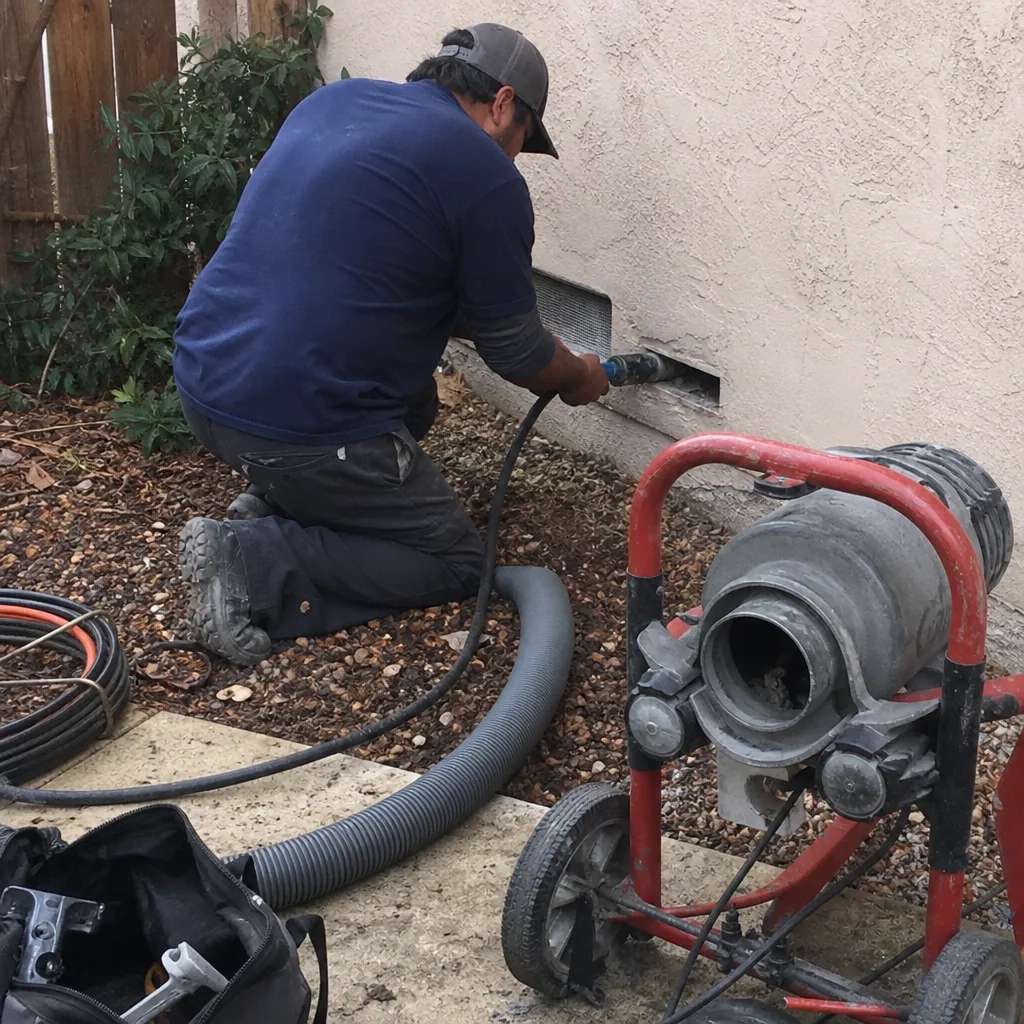 Before
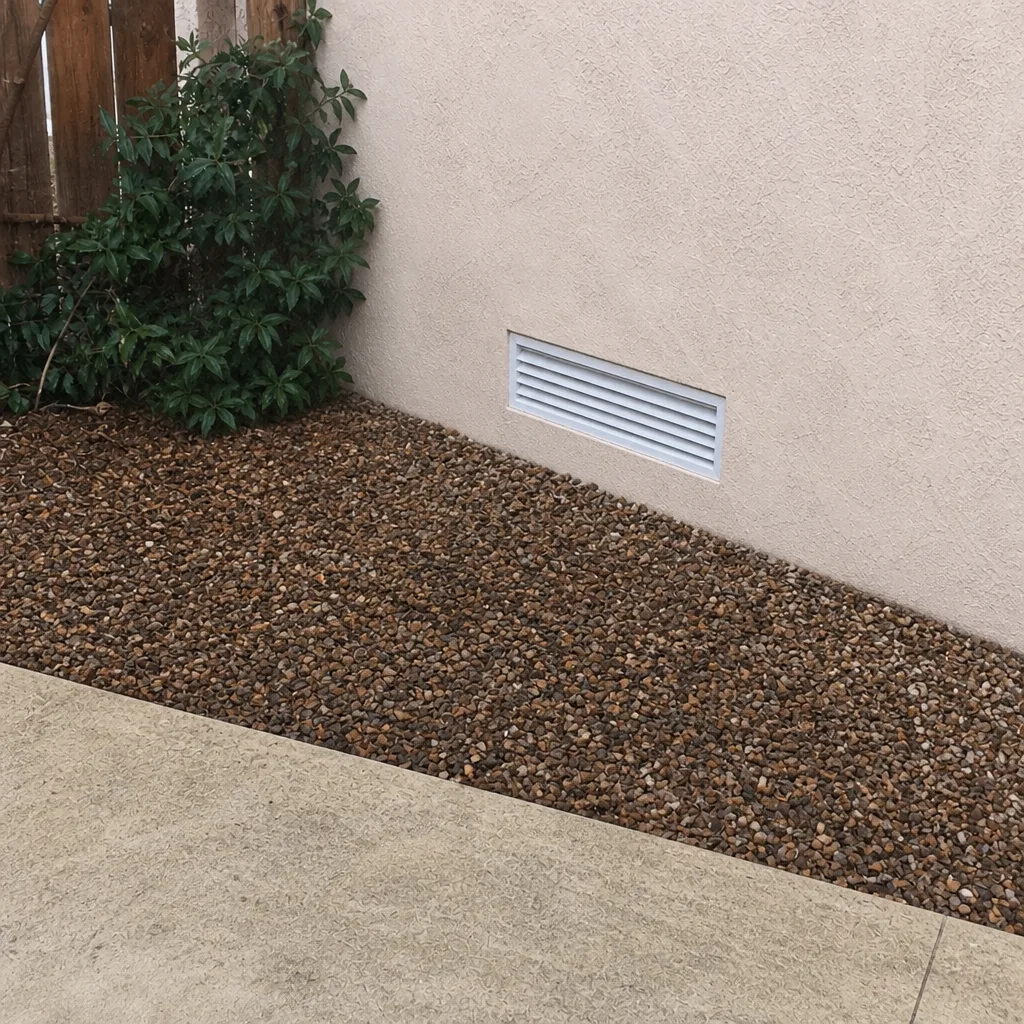 After